>
>
>
Top Public Health Research Programs for High School Students
Top Public Health Research Programs for High School Students
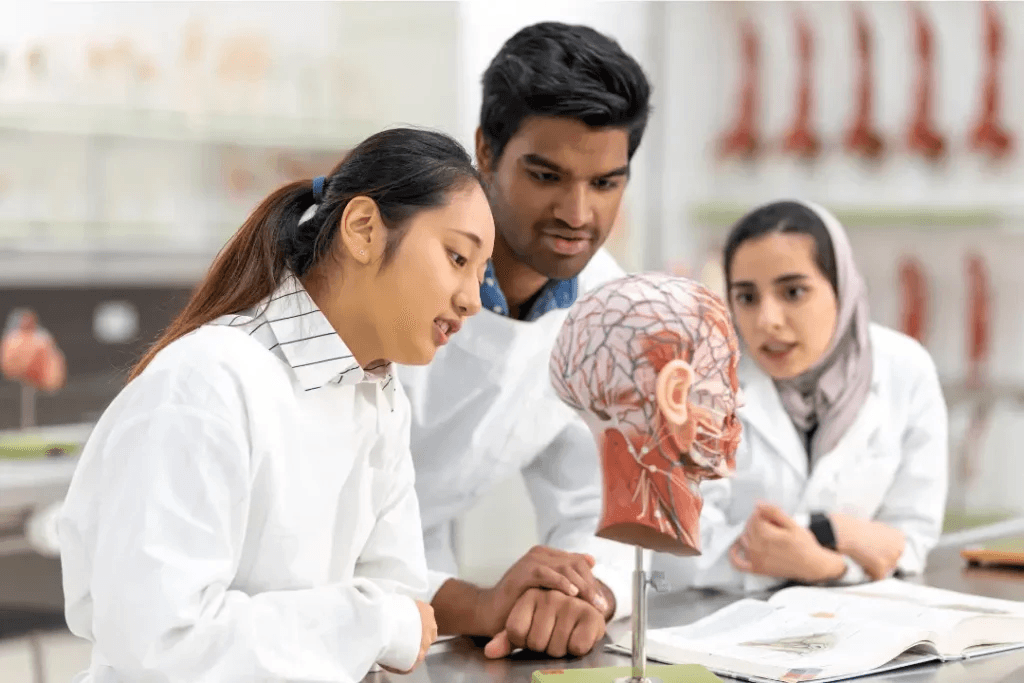
Top Public Health Research Programs for High School Students | RISE Research
Top Public Health Research Programs for High School Students | RISE Research
Wahiq Iqbal
Wahiq Iqbal
Public health is becoming an increasingly important field as communities across the world work to improve health systems, prevent disease, and understand the complex factors that influence wellbeing. Many high school students are interested in exploring public health through research based learning, especially because the field combines science, policy, data, and social impact. Public health research teaches students how to analyze real world problems that affect populations rather than individuals. It also helps them build skills that are useful for careers in medicine, epidemiology, healthcare management, and global development. This article highlights some of the top public health research opportunities for high school students and explains how these programs support academic growth and social awareness.
Why Public Health Research Matters for Students
Public health research helps students understand how health issues spread through communities and how policies or interventions can reduce harm. Unlike clinical medicine, public health focuses on populations, patterns, and prevention. Through research, students learn how to collect data, analyze trends, and interpret findings in meaningful ways. These experiences prepare students for careers in medicine, healthcare, policy, and science. Early exposure to public health also empowers students to engage with current global challenges such as infectious diseases, mental health issues, nutrition, environmental health, and community wellness.
Main Types of Public Health Research Programs
There are several pathways for high school students who want to explore public health. Each type of program provides unique opportunities for skill building and hands on learning.
University Based Public Health Research Programs
Many universities offer programs where students collaborate with faculty or graduate researchers. These programs often involve guided studies in areas like epidemiology, global health, health policy, environmental health, and biostatistics. Students may work with real data sets, learn how public health studies are designed, and participate in research projects that address community health needs.
Virtual Public Health Research Opportunities
Online research programs offer flexibility for students who want to complete projects from home while still receiving expert guidance. Virtual programs can introduce students to topics such as disease surveillance, health equity, nutrition science, mental health trends, and statistical analysis. Mentors help students develop research questions, review scientific literature, work with data, and write final reports or papers.
Public Health Workshops and Summer Institutes
Workshops and short term institutes provide interactive learning experiences that introduce students to public health concepts. These programs often include case studies, group discussions, data challenges, and community based problem solving. Students gain a broad understanding of public health systems and how researchers approach real issues.
Independent Public Health Research and Competitions
Some students may choose to pursue independent projects that focus on community health needs or global health challenges. These projects can be submitted to science fairs, research competitions, or writing contests. Independent research helps students develop initiative and creativity while also increasing their awareness of public health priorities.
Key Skills Gained Through Public Health Research
Public health research helps students build a strong foundation of academic and practical skills. These skills support success in college level courses and strengthen future applications.
Data Literacy
Public health studies often involve large data sets. Students learn how to interpret numbers, identify patterns, and understand how data is used to inform public health decisions.
Scientific Reasoning
Students learn to evaluate evidence, compare research findings, and think critically about health related issues.
Communication Skills
Research programs teach students how to write clearly, present results, and communicate ideas in an organized and persuasive way. These skills are essential for careers in healthcare, research, and policy.
Understanding of Social and Environmental Factors
Public health research helps students understand how factors such as education, environment, income, and community services influence health outcomes.
Popular Topics in Public Health Research for High School Students
Students interested in public health can explore a wide range of meaningful topics. Some of the most common areas include:
Epidemiology
Study of how diseases spread, how outbreaks are controlled, and how interventions are tested.
Environmental Health
Research on air quality, water safety, climate change, and their effects on community health.
Mental Health and Wellness
Exploration of stress, anxiety, social media use, and mental health resources for youth and communities.
Nutrition and Lifestyle
Study of how diet, exercise, and public health programs influence wellbeing.
Global Health Challenges
Research on issues such as vaccine access, maternal health, sanitation, and healthcare inequality.
These topics help students understand how science and society interact to shape health outcomes.
How RISE Research Supports Students
RISE Global Education offers a personalized one to one online research mentorship program designed for high school students who want to explore public health or related fields. Students work closely with experienced mentors who help them build research questions, analyze data, review scientific literature, and write structured research papers. RISE supports students across a wide range of public health areas including epidemiology, mental health, nutrition science, environmental health, and health policy. The program also helps students strengthen academic writing, critical thinking, and data literacy. Through guided mentorship, students gain the confidence to present their ideas and create strong portfolios for university applications.
Conclusion
Public health research programs give high school students the chance to explore meaningful topics that affect communities and populations worldwide. These opportunities help students learn how health systems function, how diseases spread, and how policies can improve wellbeing. Whether students choose university based programs, virtual mentorship, workshops, or independent projects, each pathway provides valuable skill development and academic enrichment. Public health research also teaches students how social, environmental, and economic factors influence health outcomes. With the right support, high school students can use these programs to build strong academic foundations and prepare for future careers in healthcare, global development, community leadership, and scientific research.
If you are a high school student pushing yourself to stand out in college applications, RISE Research offers a unique opportunity to work one-on-one with mentors from top universities around the world.
Through personalized guidance and independent research projects that can lead to prestigious publications, RISE helps you build a standout academic profile and develop skills that set you apart. With flexible program dates and global accessibility, ambitious students can apply year-round. To learn more about eligibility, costs, and how to get started, visit RISE Research’s official website and take your college preparation to the next level!
Public health is becoming an increasingly important field as communities across the world work to improve health systems, prevent disease, and understand the complex factors that influence wellbeing. Many high school students are interested in exploring public health through research based learning, especially because the field combines science, policy, data, and social impact. Public health research teaches students how to analyze real world problems that affect populations rather than individuals. It also helps them build skills that are useful for careers in medicine, epidemiology, healthcare management, and global development. This article highlights some of the top public health research opportunities for high school students and explains how these programs support academic growth and social awareness.
Why Public Health Research Matters for Students
Public health research helps students understand how health issues spread through communities and how policies or interventions can reduce harm. Unlike clinical medicine, public health focuses on populations, patterns, and prevention. Through research, students learn how to collect data, analyze trends, and interpret findings in meaningful ways. These experiences prepare students for careers in medicine, healthcare, policy, and science. Early exposure to public health also empowers students to engage with current global challenges such as infectious diseases, mental health issues, nutrition, environmental health, and community wellness.
Main Types of Public Health Research Programs
There are several pathways for high school students who want to explore public health. Each type of program provides unique opportunities for skill building and hands on learning.
University Based Public Health Research Programs
Many universities offer programs where students collaborate with faculty or graduate researchers. These programs often involve guided studies in areas like epidemiology, global health, health policy, environmental health, and biostatistics. Students may work with real data sets, learn how public health studies are designed, and participate in research projects that address community health needs.
Virtual Public Health Research Opportunities
Online research programs offer flexibility for students who want to complete projects from home while still receiving expert guidance. Virtual programs can introduce students to topics such as disease surveillance, health equity, nutrition science, mental health trends, and statistical analysis. Mentors help students develop research questions, review scientific literature, work with data, and write final reports or papers.
Public Health Workshops and Summer Institutes
Workshops and short term institutes provide interactive learning experiences that introduce students to public health concepts. These programs often include case studies, group discussions, data challenges, and community based problem solving. Students gain a broad understanding of public health systems and how researchers approach real issues.
Independent Public Health Research and Competitions
Some students may choose to pursue independent projects that focus on community health needs or global health challenges. These projects can be submitted to science fairs, research competitions, or writing contests. Independent research helps students develop initiative and creativity while also increasing their awareness of public health priorities.
Key Skills Gained Through Public Health Research
Public health research helps students build a strong foundation of academic and practical skills. These skills support success in college level courses and strengthen future applications.
Data Literacy
Public health studies often involve large data sets. Students learn how to interpret numbers, identify patterns, and understand how data is used to inform public health decisions.
Scientific Reasoning
Students learn to evaluate evidence, compare research findings, and think critically about health related issues.
Communication Skills
Research programs teach students how to write clearly, present results, and communicate ideas in an organized and persuasive way. These skills are essential for careers in healthcare, research, and policy.
Understanding of Social and Environmental Factors
Public health research helps students understand how factors such as education, environment, income, and community services influence health outcomes.
Popular Topics in Public Health Research for High School Students
Students interested in public health can explore a wide range of meaningful topics. Some of the most common areas include:
Epidemiology
Study of how diseases spread, how outbreaks are controlled, and how interventions are tested.
Environmental Health
Research on air quality, water safety, climate change, and their effects on community health.
Mental Health and Wellness
Exploration of stress, anxiety, social media use, and mental health resources for youth and communities.
Nutrition and Lifestyle
Study of how diet, exercise, and public health programs influence wellbeing.
Global Health Challenges
Research on issues such as vaccine access, maternal health, sanitation, and healthcare inequality.
These topics help students understand how science and society interact to shape health outcomes.
How RISE Research Supports Students
RISE Global Education offers a personalized one to one online research mentorship program designed for high school students who want to explore public health or related fields. Students work closely with experienced mentors who help them build research questions, analyze data, review scientific literature, and write structured research papers. RISE supports students across a wide range of public health areas including epidemiology, mental health, nutrition science, environmental health, and health policy. The program also helps students strengthen academic writing, critical thinking, and data literacy. Through guided mentorship, students gain the confidence to present their ideas and create strong portfolios for university applications.
Conclusion
Public health research programs give high school students the chance to explore meaningful topics that affect communities and populations worldwide. These opportunities help students learn how health systems function, how diseases spread, and how policies can improve wellbeing. Whether students choose university based programs, virtual mentorship, workshops, or independent projects, each pathway provides valuable skill development and academic enrichment. Public health research also teaches students how social, environmental, and economic factors influence health outcomes. With the right support, high school students can use these programs to build strong academic foundations and prepare for future careers in healthcare, global development, community leadership, and scientific research.
If you are a high school student pushing yourself to stand out in college applications, RISE Research offers a unique opportunity to work one-on-one with mentors from top universities around the world.
Through personalized guidance and independent research projects that can lead to prestigious publications, RISE helps you build a standout academic profile and develop skills that set you apart. With flexible program dates and global accessibility, ambitious students can apply year-round. To learn more about eligibility, costs, and how to get started, visit RISE Research’s official website and take your college preparation to the next level!
Winter 2026 Early Admission Deadline Closing on 18th October
Book a free 20-min strategy call
Book a free 20-min strategy call
Read More