>
>
>
Top 8 Online Ecology Courses for High-Achieving High School Students in 2026
Top 8 Online Ecology Courses for High-Achieving High School Students in 2026
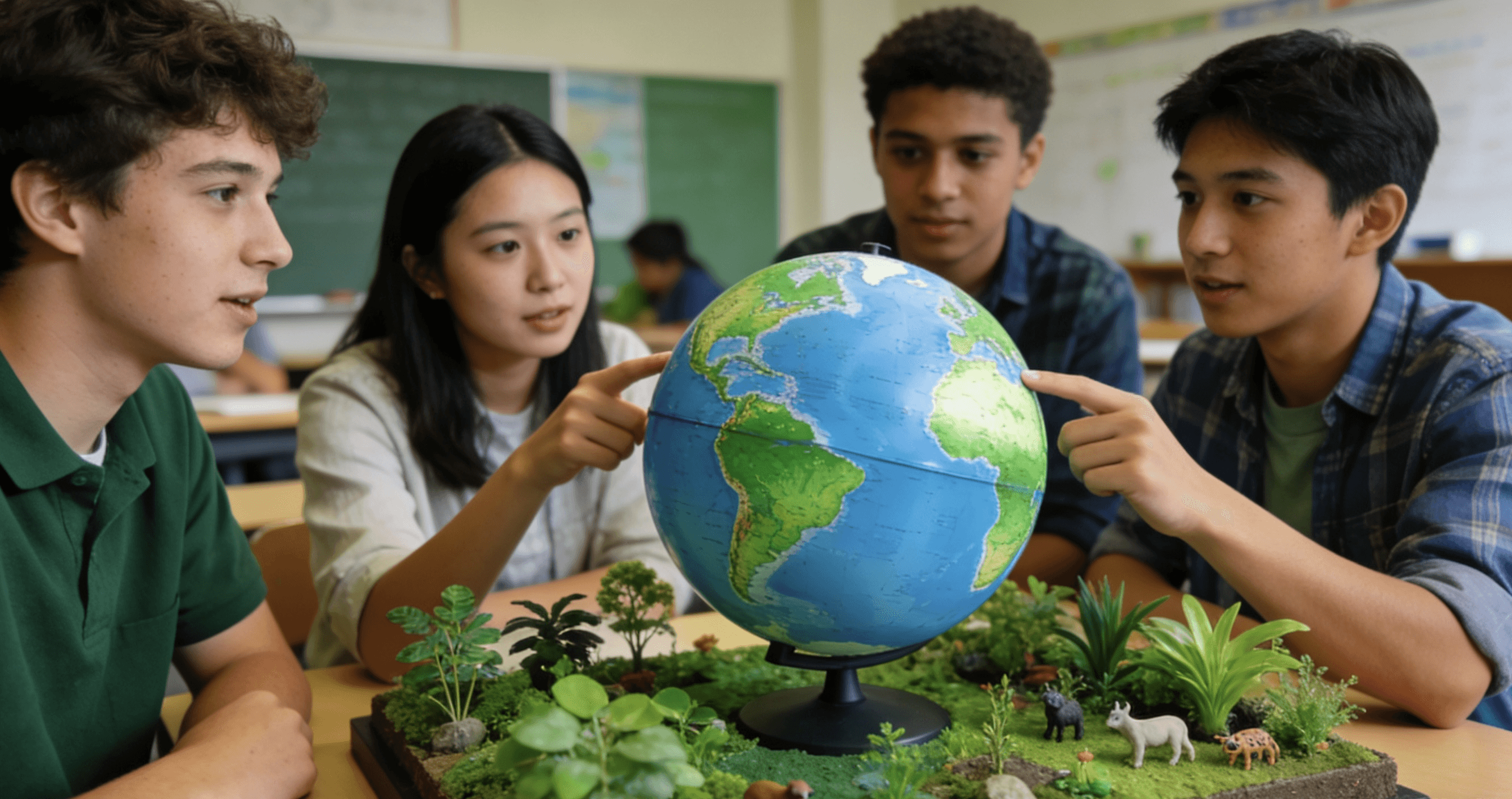
Top 8 Online Ecology Courses for High-Achieving High School Students in 2026 | RISE Research
Top 8 Online Ecology Courses for High-Achieving High School Students in 2026 | RISE Research
Manini Agarwal
Manini Agarwal
Quick Summary: The best online ecology course depends on your goal. If you want foundational knowledge, platforms like Coursera and edX are strong options. If you want to move beyond coursework into original research and publication, RISE Research is best for students seeking 1-on-1 PhD mentorship and journal-ready ecology projects.
Introduction
Interest in ecology has surged alongside global concerns about biodiversity loss, climate change, and sustainability. Many high school students search for an “ecology course online” hoping to build subject knowledge.
But there’s an important distinction:
Some courses teach ecology.
Few teach students how to think like ecological researchers.
This list evaluates programs based on:
Academic depth
Mentor access
Research rigour
Publication or portfolio outcomes
Suitability for high school students
We analysed university-backed platforms, structured certificate courses, and research-based mentorship programs to determine which ecology learning paths truly prepare students for advanced study.
Why This List Matters
Ecology isn’t just about memorising ecosystems, it’s about understanding relationships, systems thinking and environmental impact. For serious learners, this also includes contributing original insights. Courses that encourage active engagement with real data, environmental questions, or research methods prepare students better for academic research and future scientific work.
1. Introduction to Biology: Ecology (Rice University : Coursera)
Best for: Foundational ecology + conceptual understanding
Duration: Self-paced online
What You Learn:
Ecology basics: species interactions, community structure
Ecosystem balance & conservation principles
Examples of how ecologists think about natural systems
Why It’s Valuable: This course, as part of Rice University’s online offerings, is ideal for high school students who want a structured, narrative-based intro to ecology that goes beyond textbook summaries. Dr. Scott Solomon’s teaching often connects ecology with real-world thinking and observational science.
2. Ecology: Ecosystem Dynamics and Conservation (Coursera)
Best for: Understanding dynamic ecosystems and real environmental challenges
Duration: 1–3 months (flexible)
What You Learn:
How ecosystems recover from disruption
Case studies (e.g., Gorongosa National Park)
Conservation approaches through a systems lens
Why It’s Valuable: This course helps students see ecology in action, using real case studies and applied thinking. This is a useful bridge to research questions about ecosystem change and resilience.
3. Ecology Courses on FutureLearn
Best for: Short thematic courses on ecology and environmental protection
Duration: 4–8 weeks (varies by course)
What You Learn:
Urban and natural ecosystem function
Human impacts on ecological systems
Biodiversity and sustainability
Why It’s Valuable: Free or low-cost options offer flexible entry points into ecological learning, perfect for students balancing schoolwork and self-paced learning.
4. Ecosystems & Biodiversity Courses via edX
Best for: Broader ecosystem learning (including rainforest, aquatic systems)
Duration: Self-paced to several weeks
What You Learn:
Ecosystem structure and functions
Energy flow in biotic communities
Conservation strategy foundations
Why It’s Valuable: These materials, provided by top universities and institutions through edX, help connect ecological theory with real environmental science contexts.
5. CrashCourse Ecology (via Class Central aggregation)
Best for: Visual learners and quick conceptual refreshers
Duration: Self-paced video playlists
What You Learn:
Ecosystem interactions
Population dynamics
Species relationships
Why It’s Valuable: If you’re just getting started, these short modules help you solidify basics before tackling deeper coursework or research topics.
6. Fundamentals of Ecology (NPTEL: Indian MOOC)
Best for: In-depth academic exposure to ecology principles
Duration: Several weeks
What You Learn:
Population and community ecology
Biogeography and macro-ecology
Ecosystems and biogeochemical cycles
Why It’s Valuable: NPTEL’s biology sequence offers university-level depth at no cost, perfect for students aiming to tackle ecology research projects later.
7. Landscape Ecology MOOCs
Best for: Students interested in spatial ecology and landscape analysis
Duration: Self-paced
What You Learn:
Theory and method in landscape ecology
Tools for understanding spatial patterns
Approaches to solving landscape scale problems
Why It’s Valuable: Students ready to dive into specialised ecological subfields will find this useful for research ideas tied to habitat fragmentation, GIS applications, or spatial data analysis.
8. RISE Research: Ecology Pathways (Mentorship-First)
RISE Research is a high school research mentorship program that pairs students with PhD-level mentors from international universities to design, conduct, and publish original research. These programs are often in areas such as ecology, conservation biology, climate change impacts, and biodiversity modelling. Mentors help students develop rigorous questions, craft methodology, analyse evidence, write academic papers, and navigate academic review processes.
Best for: Students who want to go beyond coursework and produce publishable ecology research
What You Gain:
Directed ecological research projects
Mentored writing of academic papers
Training to submit to journals and conferences
Experience with data interpretation, hypothesis testing, and scientific methodology
Why It’s Valuable: Most online courses teach ecological knowledge. But research mentorship, like the one offered by RISE, teaches you how to think, investigate, and contribute to the field. This aligns with authentic inquiry and real academic norms far beyond memorisation. RISE shifts the focus from learning accepted facts to asking and answering new questions in ecology research.
How to Choose the Right Ecology Course Online
Choosing among so many good options can be confusing. Ask yourself:
What is your goal?
Concept foundation: Choose introductory courses (Rice, FutureLearn, edX).
Data and methods foundation: Courses like Landscape Ecology help build analytical insight.
Research orientation: RISE Research or advanced MOOCs with assignments and data components are better paths.
Do you want certification or research output?
Certifications show engagement and learning.
Research projects produce original contributions (something colleges and journals value highly).
Are you ready for self-directed learning?
Courses vary from guided (Coursera, FutureLearn) to self-paced (NPTEL, edX). Self-directed learning requires discipline.
Common Mistakes Students Make
Choosing the highest-rated course without checking expectations
Review syllabus and time commitment before enrolling.
Expecting publication from course completion
Courses teach knowledge. Publishing research requires independent project experience, often through mentorship.
Skipping practical work
Ecology is about understanding real systems; data, case studies, patterns, and variability matter.
Final Thoughts
Courses from platforms like Coursera, FutureLearn, edX, or NPTEL build concepts. Programs like RISE Research help students transition from knowledge acquisition to original research contribution, fostering skills that are essential for academic growth, publications, and future ecological inquiry.
Ready to take your ecology journey beyond learning into real research?
Explore how RISE Research helps you build publishable ecology projects.
FAQs
Q. What is the easiest online ecology course for beginners?
Courses on FutureLearn or introductory offerings in the Rice University Introduction to Biology: Ecology are accessible for beginners and don’t require prior background.
Q. Are these courses free?
Many platforms let you audit content for free. Certification and specialized tracks may have fees.
Q. Can high school students publish ecology research?
Yes, with structured mentorship and original questions, students can submit research to youth journals and conferences. Programs like RISE Research are designed for this purpose.
Q. Do these courses help with college applications?
Completing ecology courses shows engagement and initiative, research experience (especially publishable output) demonstrates academic maturity.
Author: Written by Manini Agarwal
Manini Agarwal is a junior at Ashoka University pursuing a BA (Hons.) in International Relations. She works closely with mentorship-driven research programs and studies how early inquiry shapes long-term academic outcomes. Her work explores the intersection of research training, intellectual development, and competitive university admissions.
Quick Summary: The best online ecology course depends on your goal. If you want foundational knowledge, platforms like Coursera and edX are strong options. If you want to move beyond coursework into original research and publication, RISE Research is best for students seeking 1-on-1 PhD mentorship and journal-ready ecology projects.
Introduction
Interest in ecology has surged alongside global concerns about biodiversity loss, climate change, and sustainability. Many high school students search for an “ecology course online” hoping to build subject knowledge.
But there’s an important distinction:
Some courses teach ecology.
Few teach students how to think like ecological researchers.
This list evaluates programs based on:
Academic depth
Mentor access
Research rigour
Publication or portfolio outcomes
Suitability for high school students
We analysed university-backed platforms, structured certificate courses, and research-based mentorship programs to determine which ecology learning paths truly prepare students for advanced study.
Why This List Matters
Ecology isn’t just about memorising ecosystems, it’s about understanding relationships, systems thinking and environmental impact. For serious learners, this also includes contributing original insights. Courses that encourage active engagement with real data, environmental questions, or research methods prepare students better for academic research and future scientific work.
1. Introduction to Biology: Ecology (Rice University : Coursera)
Best for: Foundational ecology + conceptual understanding
Duration: Self-paced online
What You Learn:
Ecology basics: species interactions, community structure
Ecosystem balance & conservation principles
Examples of how ecologists think about natural systems
Why It’s Valuable: This course, as part of Rice University’s online offerings, is ideal for high school students who want a structured, narrative-based intro to ecology that goes beyond textbook summaries. Dr. Scott Solomon’s teaching often connects ecology with real-world thinking and observational science.
2. Ecology: Ecosystem Dynamics and Conservation (Coursera)
Best for: Understanding dynamic ecosystems and real environmental challenges
Duration: 1–3 months (flexible)
What You Learn:
How ecosystems recover from disruption
Case studies (e.g., Gorongosa National Park)
Conservation approaches through a systems lens
Why It’s Valuable: This course helps students see ecology in action, using real case studies and applied thinking. This is a useful bridge to research questions about ecosystem change and resilience.
3. Ecology Courses on FutureLearn
Best for: Short thematic courses on ecology and environmental protection
Duration: 4–8 weeks (varies by course)
What You Learn:
Urban and natural ecosystem function
Human impacts on ecological systems
Biodiversity and sustainability
Why It’s Valuable: Free or low-cost options offer flexible entry points into ecological learning, perfect for students balancing schoolwork and self-paced learning.
4. Ecosystems & Biodiversity Courses via edX
Best for: Broader ecosystem learning (including rainforest, aquatic systems)
Duration: Self-paced to several weeks
What You Learn:
Ecosystem structure and functions
Energy flow in biotic communities
Conservation strategy foundations
Why It’s Valuable: These materials, provided by top universities and institutions through edX, help connect ecological theory with real environmental science contexts.
5. CrashCourse Ecology (via Class Central aggregation)
Best for: Visual learners and quick conceptual refreshers
Duration: Self-paced video playlists
What You Learn:
Ecosystem interactions
Population dynamics
Species relationships
Why It’s Valuable: If you’re just getting started, these short modules help you solidify basics before tackling deeper coursework or research topics.
6. Fundamentals of Ecology (NPTEL: Indian MOOC)
Best for: In-depth academic exposure to ecology principles
Duration: Several weeks
What You Learn:
Population and community ecology
Biogeography and macro-ecology
Ecosystems and biogeochemical cycles
Why It’s Valuable: NPTEL’s biology sequence offers university-level depth at no cost, perfect for students aiming to tackle ecology research projects later.
7. Landscape Ecology MOOCs
Best for: Students interested in spatial ecology and landscape analysis
Duration: Self-paced
What You Learn:
Theory and method in landscape ecology
Tools for understanding spatial patterns
Approaches to solving landscape scale problems
Why It’s Valuable: Students ready to dive into specialised ecological subfields will find this useful for research ideas tied to habitat fragmentation, GIS applications, or spatial data analysis.
8. RISE Research: Ecology Pathways (Mentorship-First)
RISE Research is a high school research mentorship program that pairs students with PhD-level mentors from international universities to design, conduct, and publish original research. These programs are often in areas such as ecology, conservation biology, climate change impacts, and biodiversity modelling. Mentors help students develop rigorous questions, craft methodology, analyse evidence, write academic papers, and navigate academic review processes.
Best for: Students who want to go beyond coursework and produce publishable ecology research
What You Gain:
Directed ecological research projects
Mentored writing of academic papers
Training to submit to journals and conferences
Experience with data interpretation, hypothesis testing, and scientific methodology
Why It’s Valuable: Most online courses teach ecological knowledge. But research mentorship, like the one offered by RISE, teaches you how to think, investigate, and contribute to the field. This aligns with authentic inquiry and real academic norms far beyond memorisation. RISE shifts the focus from learning accepted facts to asking and answering new questions in ecology research.
How to Choose the Right Ecology Course Online
Choosing among so many good options can be confusing. Ask yourself:
What is your goal?
Concept foundation: Choose introductory courses (Rice, FutureLearn, edX).
Data and methods foundation: Courses like Landscape Ecology help build analytical insight.
Research orientation: RISE Research or advanced MOOCs with assignments and data components are better paths.
Do you want certification or research output?
Certifications show engagement and learning.
Research projects produce original contributions (something colleges and journals value highly).
Are you ready for self-directed learning?
Courses vary from guided (Coursera, FutureLearn) to self-paced (NPTEL, edX). Self-directed learning requires discipline.
Common Mistakes Students Make
Choosing the highest-rated course without checking expectations
Review syllabus and time commitment before enrolling.
Expecting publication from course completion
Courses teach knowledge. Publishing research requires independent project experience, often through mentorship.
Skipping practical work
Ecology is about understanding real systems; data, case studies, patterns, and variability matter.
Final Thoughts
Courses from platforms like Coursera, FutureLearn, edX, or NPTEL build concepts. Programs like RISE Research help students transition from knowledge acquisition to original research contribution, fostering skills that are essential for academic growth, publications, and future ecological inquiry.
Ready to take your ecology journey beyond learning into real research?
Explore how RISE Research helps you build publishable ecology projects.
FAQs
Q. What is the easiest online ecology course for beginners?
Courses on FutureLearn or introductory offerings in the Rice University Introduction to Biology: Ecology are accessible for beginners and don’t require prior background.
Q. Are these courses free?
Many platforms let you audit content for free. Certification and specialized tracks may have fees.
Q. Can high school students publish ecology research?
Yes, with structured mentorship and original questions, students can submit research to youth journals and conferences. Programs like RISE Research are designed for this purpose.
Q. Do these courses help with college applications?
Completing ecology courses shows engagement and initiative, research experience (especially publishable output) demonstrates academic maturity.
Author: Written by Manini Agarwal
Manini Agarwal is a junior at Ashoka University pursuing a BA (Hons.) in International Relations. She works closely with mentorship-driven research programs and studies how early inquiry shapes long-term academic outcomes. Her work explores the intersection of research training, intellectual development, and competitive university admissions.
Winter 2026 Early Admission Deadline Closing on 18th October
Book a free 20-min strategy call
Book a free 20-min strategy call
Read More