Empowering
High School Students
Empowering
High School Students
Through Research
Through Mentorship
Through Research
Through Mentorship
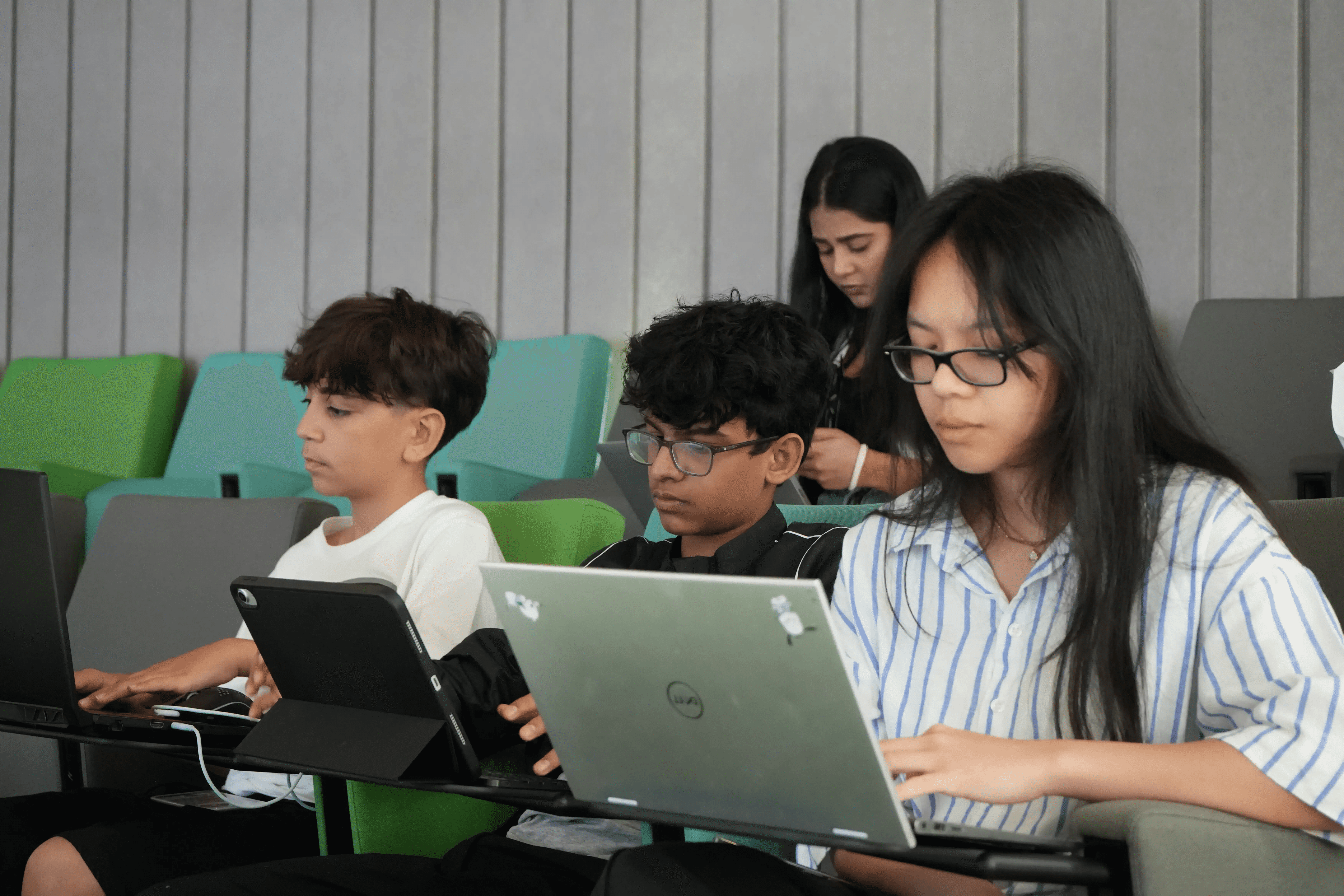
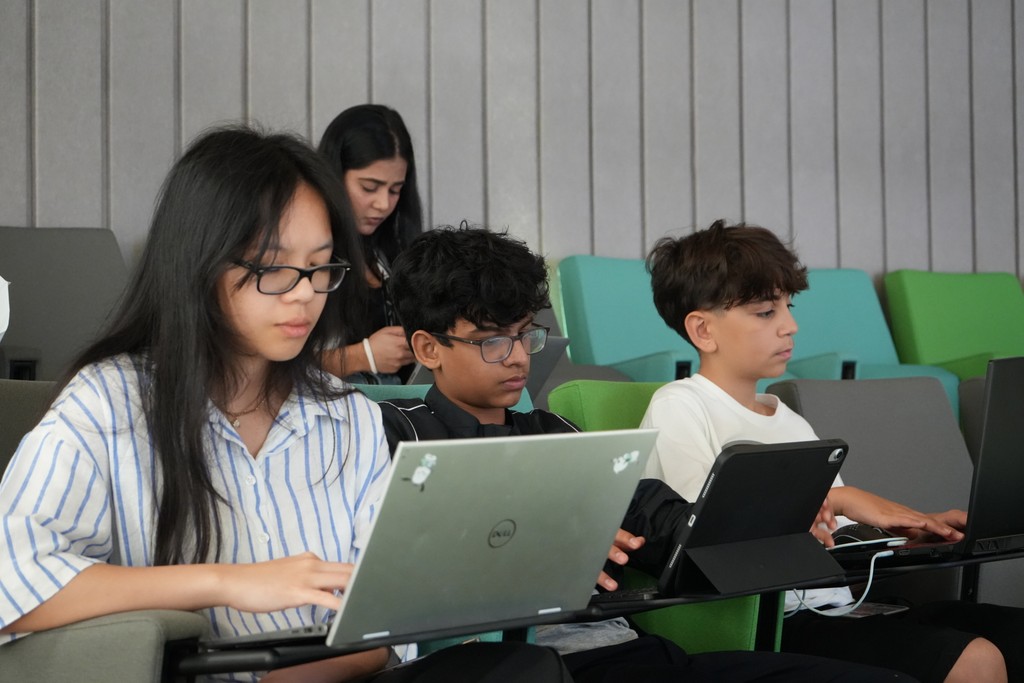
Rise Research is a selective 1-on-1 mentorship program where high school students publish original research, win awards, and earn global recognition under PhD mentors.
Rise Research is a selective 1-on-1 mentorship program where high school students publish original research, win awards, and earn global recognition under PhD mentors.
40+
Academic journals have published our students’ work
90%
Publication success rate for Rise scholars in top journals
500+
Ivy League and Oxbridge PhD mentors
3x
Higher acceptance of Rise scholars to top 10 universities
Our Scholars
Our Scholars
From publishing research to representing their countries at global conferences, Rise Scholars leverage original research to shape their academic profiles and future pathways.
From publishing research to representing their countries at global conferences, Rise Scholars leverage original research to shape their academic profiles and future pathways.
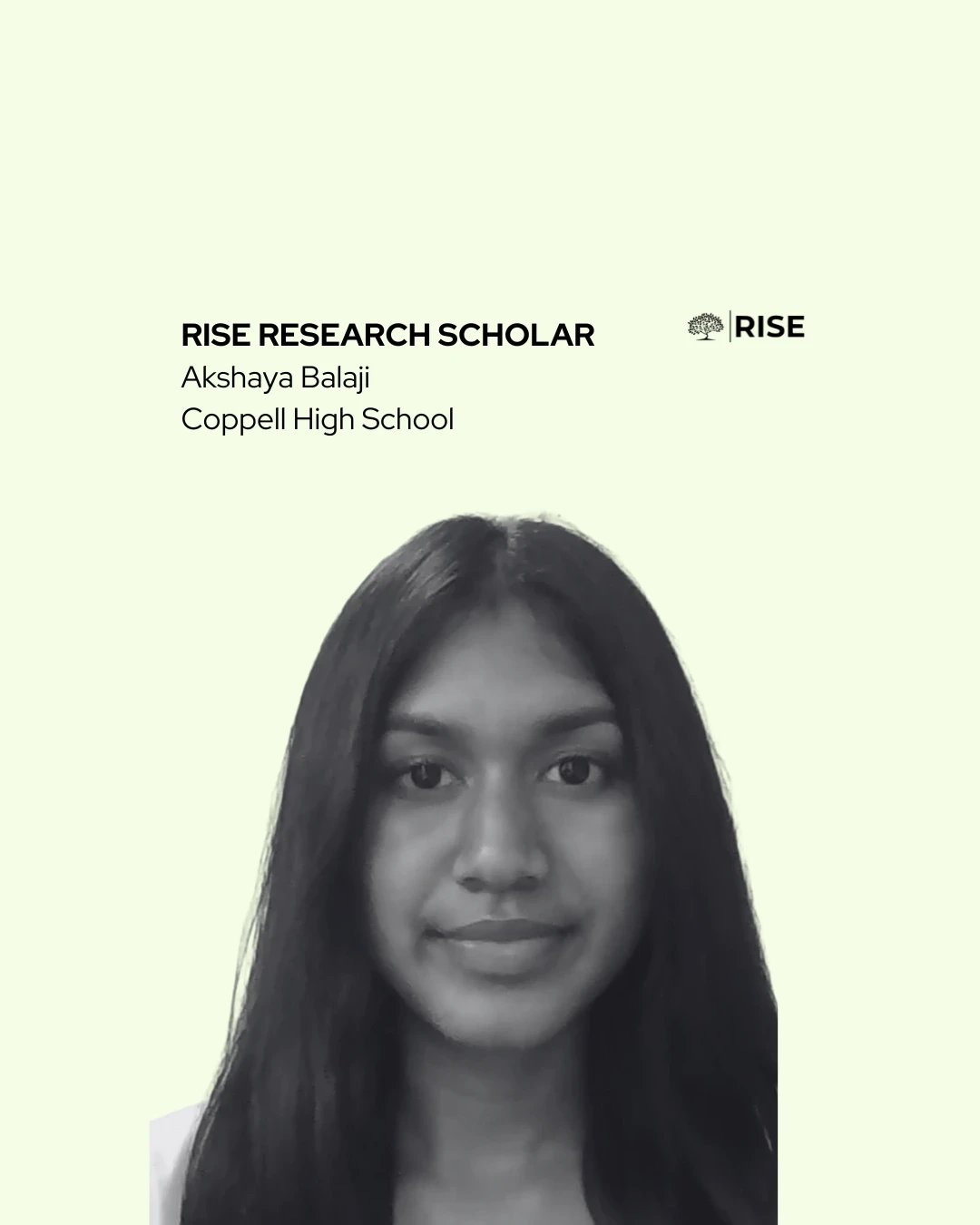
Akshaya Balaji
Coppell High School
"Supporting high school students in starting research shapes their academic journey and impact on society. RISE Global plays a key role in guiding and inspiring future researchers like me through the RISE Research program."
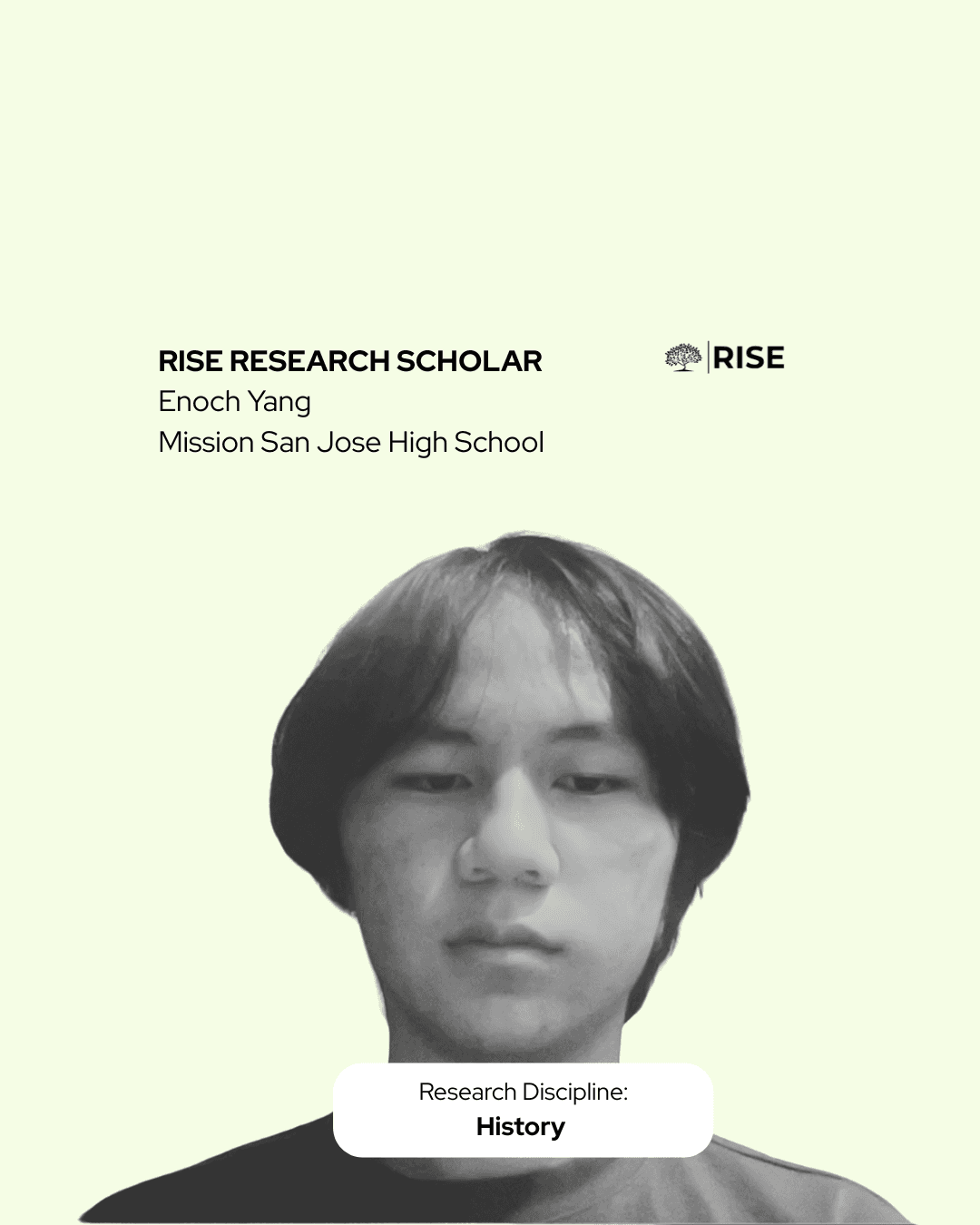
Enoch Yang
Mission San Jose High School
"Through RISE Research, I explored the relationship between power, governance, and democratic change in Taiwan’s post-martial law era. The program allowed me to investigate the persistence of the KMT’s repressive structures, strengthening my understanding of political institutions"
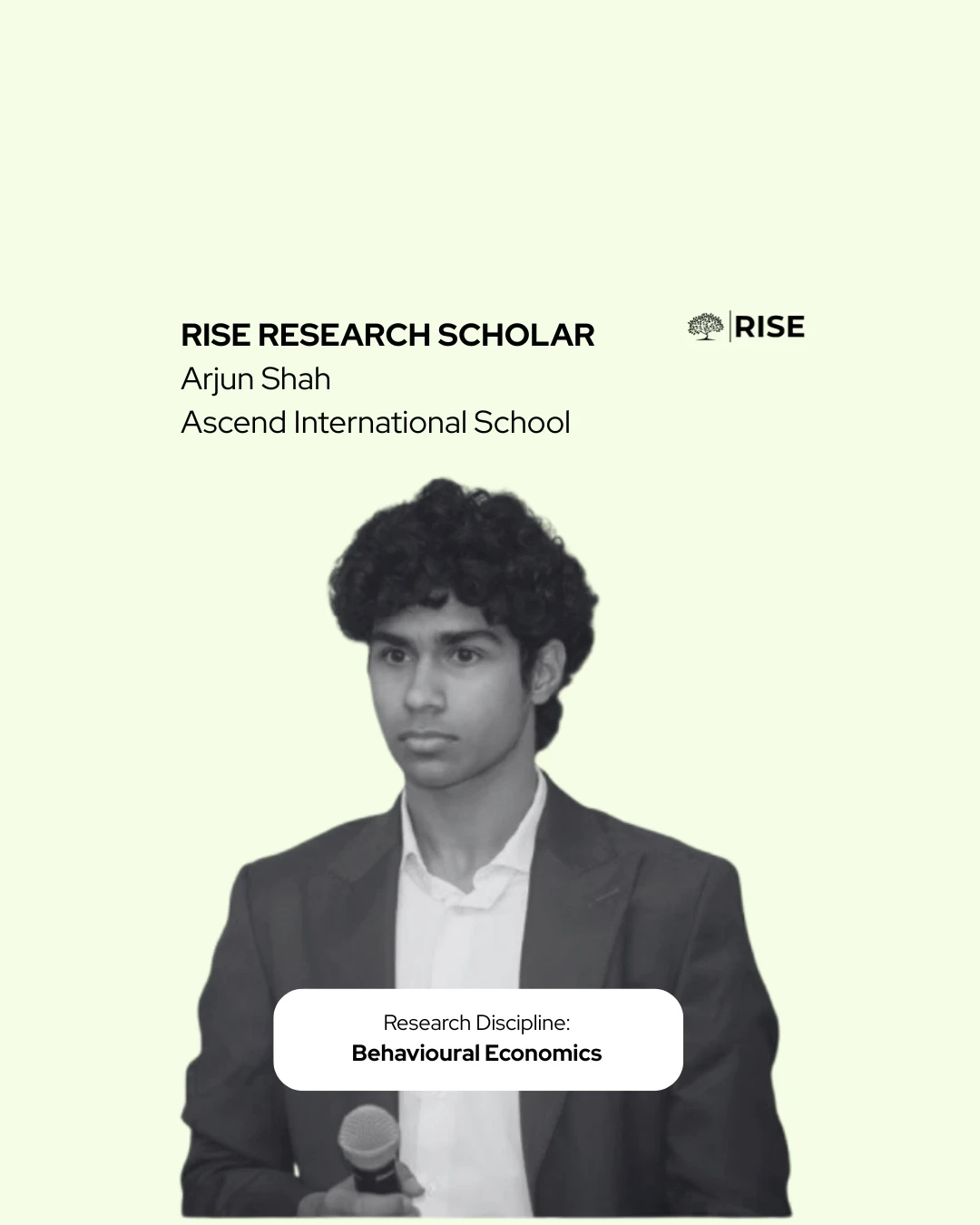
Arjun Shah
Ascend International School
"RISE helped me turn my interest in the jewellery industry into a focused research project. With RISE Research program, I explored consumer biases and presented my ideas confidently. A valuable experience for any high school student"
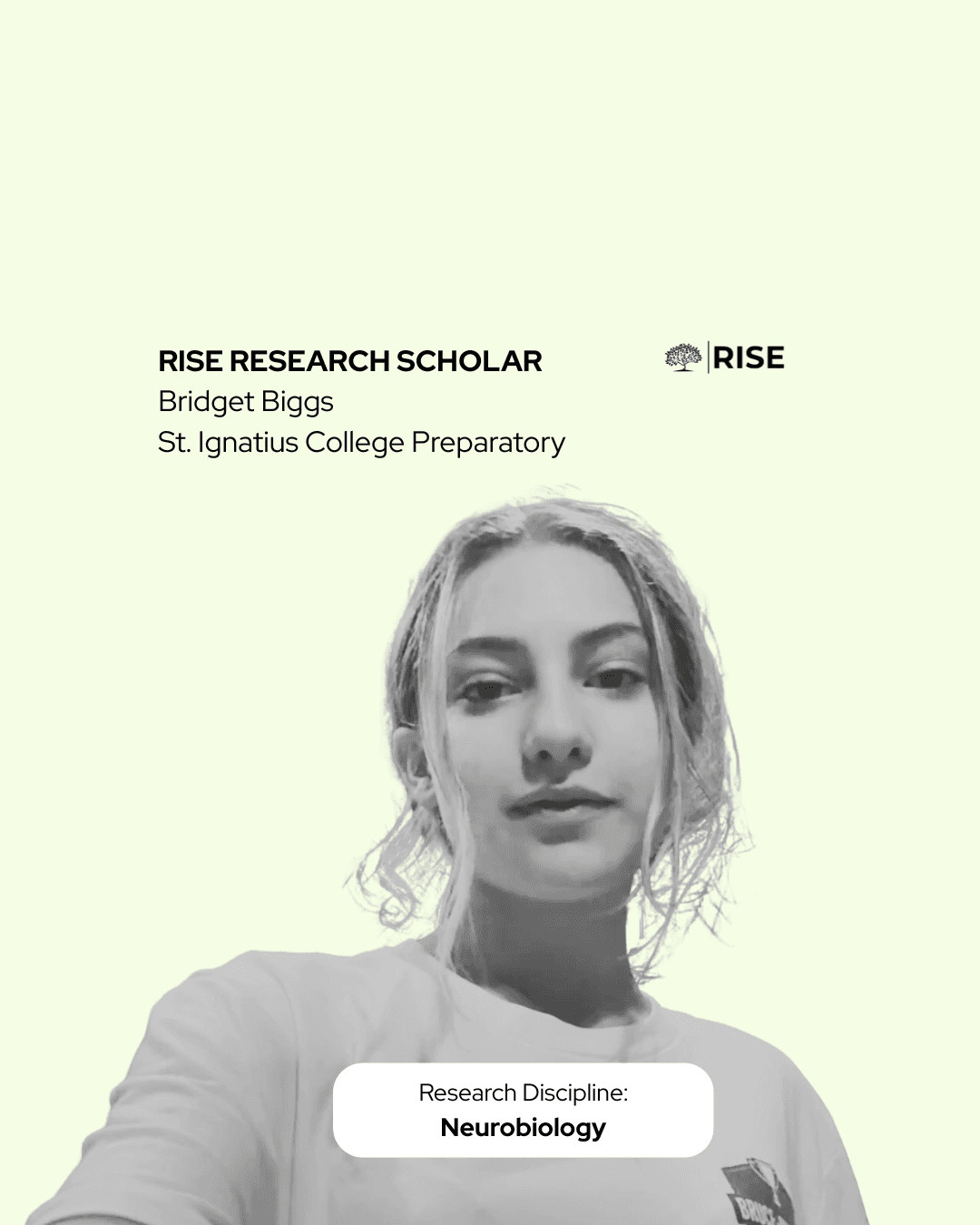
Bridget Biggs
St. Ignatius College Preparatory
"RISE supported my research on the importance of sleep and its effect on homeostatic dopamine regulation. With RISE Research mentorship, I explored this neuroscience topic with clarity and purpose, aiming to better understand adolescent brain health and well-being
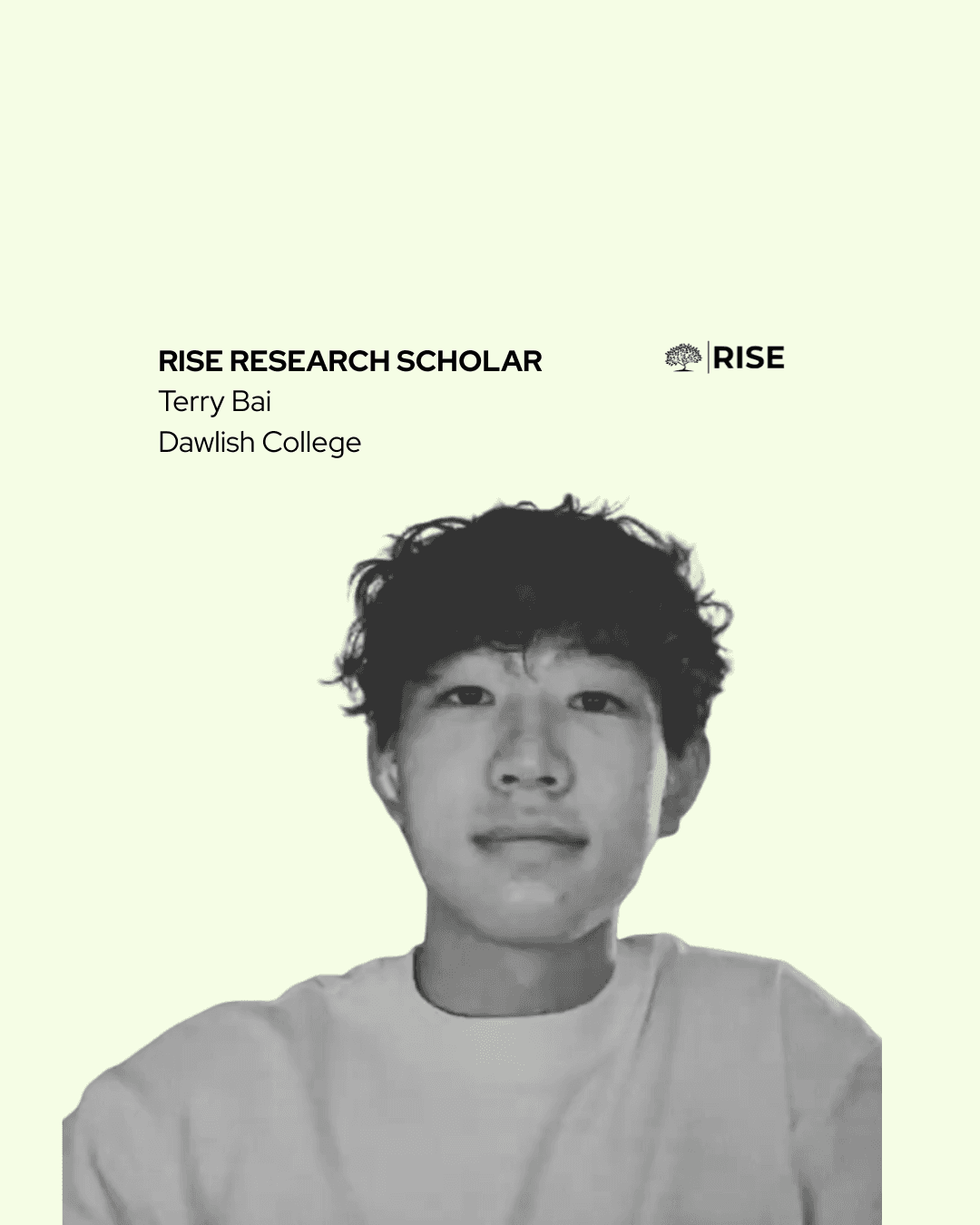
Terry Bai
Dawlish College
"Through RISE Research, I had the opportunity to investigate the growing challenges AI poses to data privacy through a legal and comparative lens focused on East Asia. The program strengthened my understanding of technology governance and the complex balance between innovation, regulation, and individual rights."
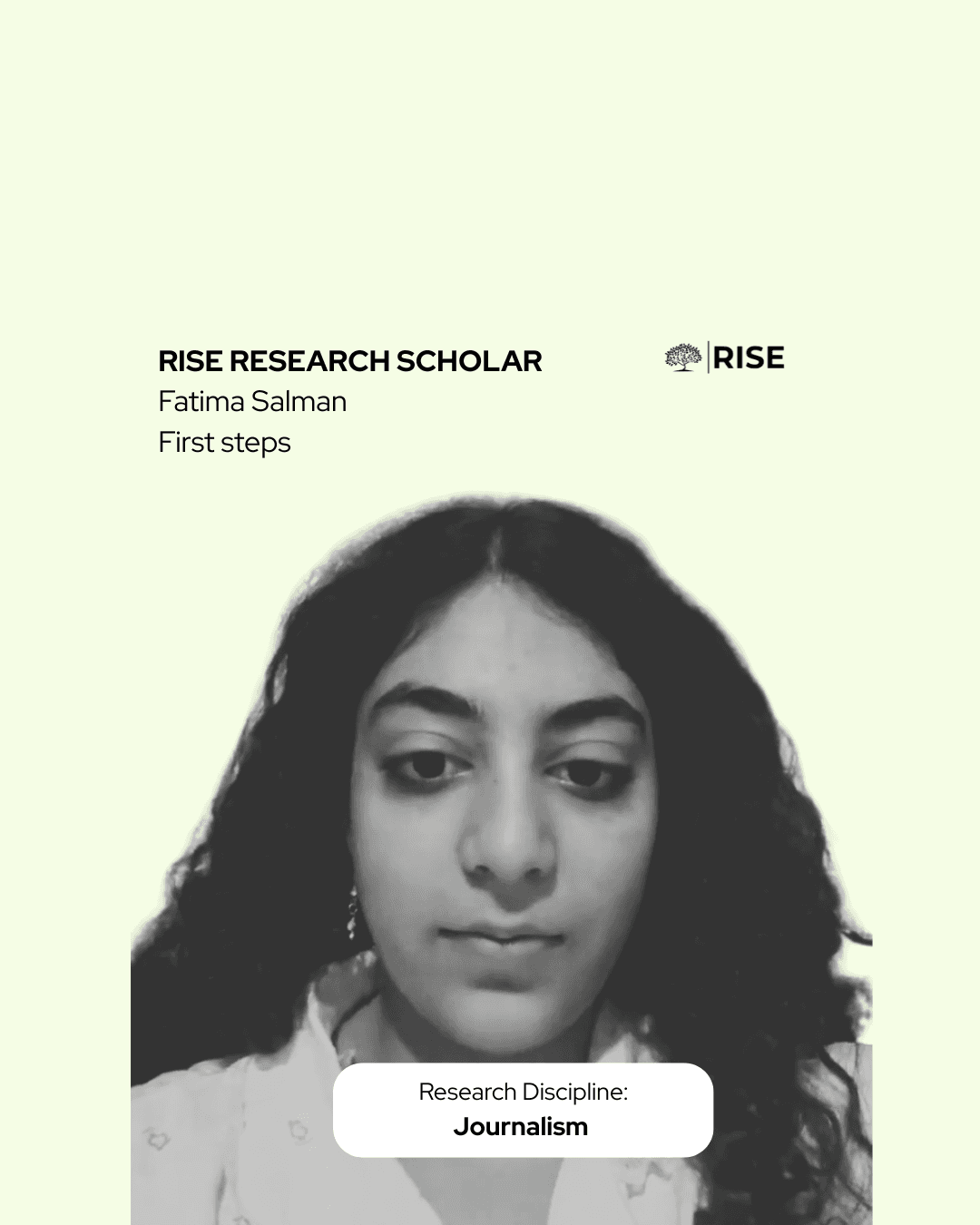
Fatima Salman
First Steps
"RISE Research helped me explore my interest in social justice and media studies through a research project on the representation of ethnic minorities. The RISE Research program deepened my understanding of how media shapes public perception and the strategies that can advance the rights and representation of ethnic minorities in society."
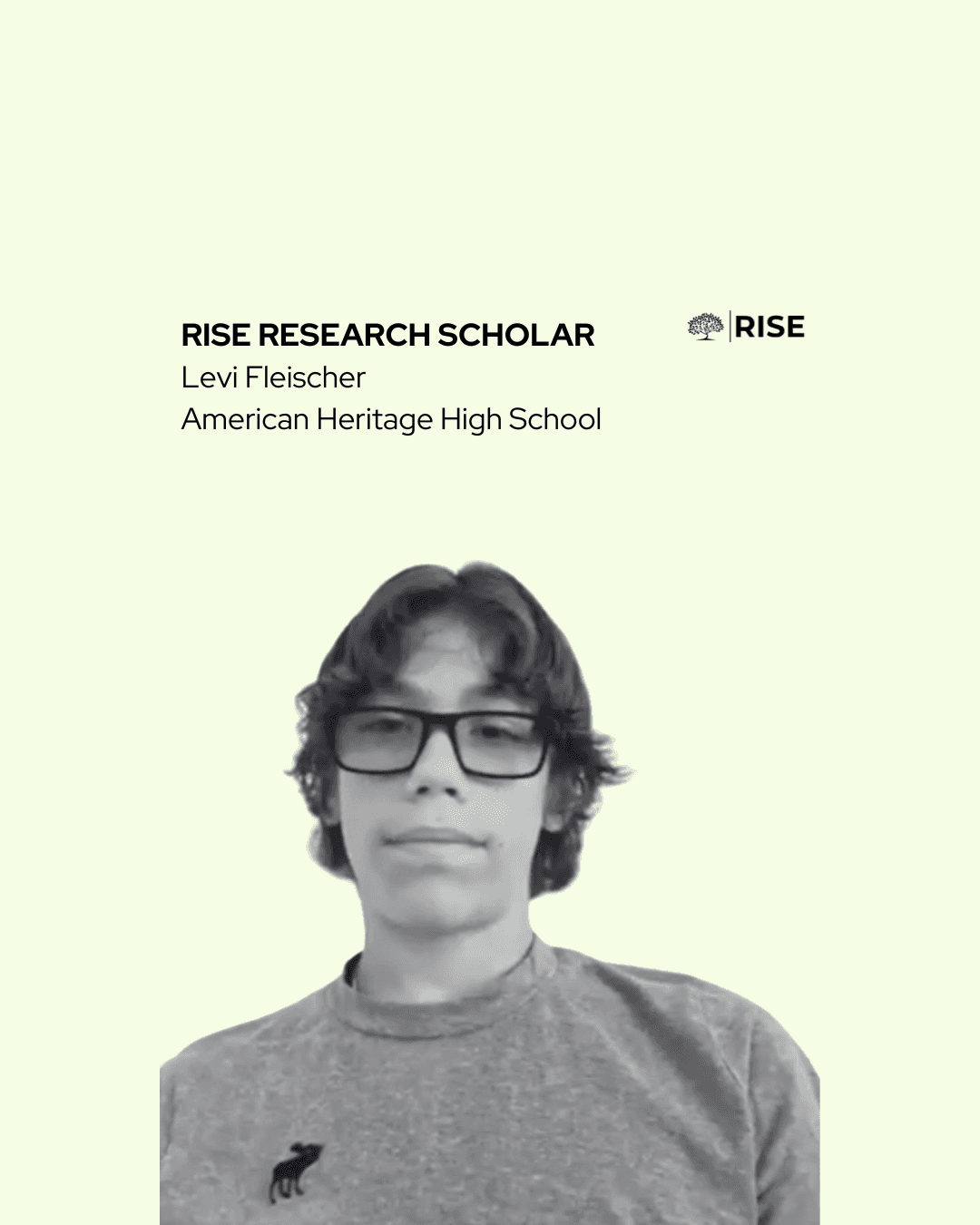
Levi Fleischer
American Heritage High School
"What inspires me most about RISE is how it helps students connect their interests to real-world impact. it shows why it matters. By making research more accessible, RISE empowers students to believe in themselves and that’s how future leaders are made."
Rise Alumni
Rise Alumni
Rise Alumni
Admissions Outcomes
Admissions Outcomes
Admissions Outcomes
Rise alumni have gone on to pursue undergraduate studies at highly selective universities worldwide. Their research experience often forms a meaningful part of their academic narrative during the admissions process. Read our 2026 early admissions report.
Rise alumni have gone on to pursue undergraduate studies at highly selective universities worldwide. Their research experience often forms a meaningful part of their academic narrative during the admissions process. Read our 2026 early admissions report.
Rise alumni have gone on to pursue undergraduate studies at highly selective universities worldwide. Their research experience often forms a meaningful part of their academic narrative during the admissions process. Read our 2026 early admissions report.

14%
at Stanford
Standard Acceptance Rate: 8.7%
14%
at Stanford
Standard Acceptance Rate: 8.7%
22%
at Harvard
Standard Acceptance Rate: 3.2%
22%
at Harvard
Standard Acceptance Rate: 3.2%
16%
at Yale
Standard Acceptance Rate: 3.7%
16%
at Yale
Standard Acceptance Rate: 3.7%

23%
at UPenn
Standard Acceptance Rate: 3.8%
23%
at UPenn
Standard Acceptance Rate: 3.8%
31%
at Columbia
Standard Acceptance Rate: 7.5%
31%
at Columbia
Standard Acceptance Rate: 7.5%

18%
at Oxford
Standard Acceptance Rate: 3.7%
18%
at Oxford
Standard Acceptance Rate: 3.7%

22%
at Cambridge
Standard Acceptance Rate: 4%
22%
at Cambridge
Standard Acceptance Rate: 4%

16%
at MIT
Standard Acceptance Rate: 3.7%
16%
at MIT
Standard Acceptance Rate: 3.7%
How Rise Research Works
How Rise Research Works
A structured, mentor-guided research process designed to help high-school students conduct original, university-level research ethically and rigorously.
A structured, mentor-guided research process designed to help high-school students conduct original, university-level research ethically and rigorously.
Each stage builds core research, writing and analytical skills valued by top universities.
Each stage builds core research, writing and analytical skills valued by top universities.
Research Question & Direction
Week 1-2
Students explore academic literature, refine their interests, and develop a focused, original research question grounded in real-world context.
Research Design & Methodology
Week 3-4
Students build a structured research plan, defining methodology, sources, data strategy, and academic benchmarks under mentor guidance.
Research, Analysis & Writing
Week 5-6
Students conduct independent research, analyse findings, and begin drafting core sections while receiving detailed academic feedback.
Manuscript Development & Review
Week 7-8
Students complete their full manuscript and strengthen key sections through multiple review cycles.
Publication Submission & Presentation
Week 9-10
Students prepare their research for submission to peer-reviewed academic journals or global conferences.
Publication Venues
Publication Venues




Rise Research
Rise Research
Mentors
Mentors
Our mentors are experienced researchers who guide students through the full research process with rigor, integrity, and a strong emphasis on student ownership.
Our mentors are experienced researchers who guide students through the full research process with rigor, integrity, and a strong emphasis on student ownership.
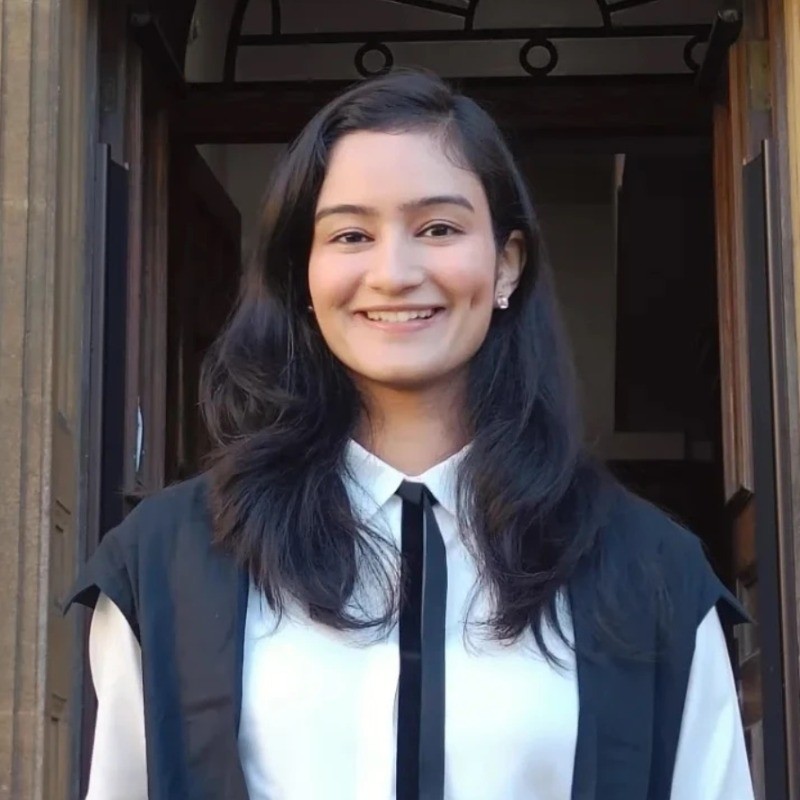
Ramya Warrier
University of Cambridge
PhD researcher in Psychiatry with a focus on autism and neuroimaging techniques, funded by the Trinity Overseas Bursary.
View
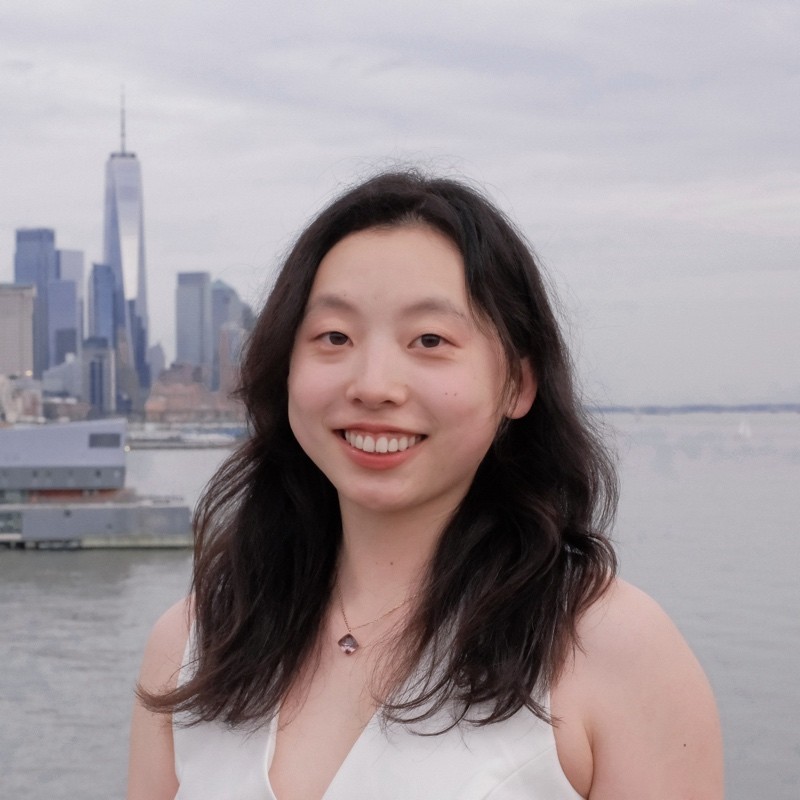
Yifan Hu
Harvard University
MS student in Computer Science specializing in Artificial Intelligence for Healthcare, awarded multiple scholarships.
View

Benjamin Yang
Columbia University
PhD student in Computer Science focused on VR/AR, graphics, and human-computer interaction, with multiple degrees.
View

Kendra Nydam
University of Cambridge
PhD candidate in Anglo-Saxon, Norse, and Celtic, researching kinship dynamics in Medieval Scandinavian literature.
View
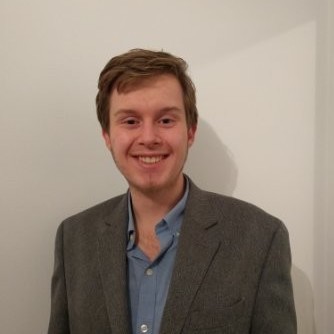
Matt Baughman
University of Chicago
PhD candidate in Computer Science researching cost-aware distributed systems for science.
View
Ramya Warrier
University of Cambridge
PhD researcher in Psychiatry with a focus on autism and neuroimaging techniques, funded by the Trinity Overseas Bursary.
View
Yifan Hu
Harvard University
MS student in Computer Science specializing in Artificial Intelligence for Healthcare, awarded multiple scholarships.
View
Benjamin Yang
Columbia University
PhD student in Computer Science focused on VR/AR, graphics, and human-computer interaction, with multiple degrees.
View
Kendra Nydam
University of Cambridge
PhD candidate in Anglo-Saxon, Norse, and Celtic, researching kinship dynamics in Medieval Scandinavian literature.
View
Matt Baughman
University of Chicago
PhD candidate in Computer Science researching cost-aware distributed systems for science.
View
Ramya Warrier
University of Cambridge
PhD researcher in Psychiatry with a focus on autism and neuroimaging techniques, funded by the Trinity Overseas Bursary.
View
Yifan Hu
Harvard University
MS student in Computer Science specializing in Artificial Intelligence for Healthcare, awarded multiple scholarships.
View
Benjamin Yang
Columbia University
PhD student in Computer Science focused on VR/AR, graphics, and human-computer interaction, with multiple degrees.
View
Kendra Nydam
University of Cambridge
PhD candidate in Anglo-Saxon, Norse, and Celtic, researching kinship dynamics in Medieval Scandinavian literature.
View
Ramya Warrier
University of Cambridge
PhD researcher in Psychiatry with a focus on autism and neuroimaging techniques, funded by the Trinity Overseas Bursary.
View
Yifan Hu
Harvard University
MS student in Computer Science specializing in Artificial Intelligence for Healthcare, awarded multiple scholarships.
View
Benjamin Yang
Columbia University
PhD student in Computer Science focused on VR/AR, graphics, and human-computer interaction, with multiple degrees.
View
Kendra Nydam
University of Cambridge
PhD candidate in Anglo-Saxon, Norse, and Celtic, researching kinship dynamics in Medieval Scandinavian literature.
View
Ramya Warrier
University of Cambridge
PhD researcher in Psychiatry with a focus on autism and neuroimaging techniques, funded by the Trinity Overseas Bursary.
View
Yifan Hu
Harvard University
MS student in Computer Science specializing in Artificial Intelligence for Healthcare, awarded multiple scholarships.
View
Benjamin Yang
Columbia University
PhD student in Computer Science focused on VR/AR, graphics, and human-computer interaction, with multiple degrees.
View
Kendra Nydam
University of Cambridge
PhD candidate in Anglo-Saxon, Norse, and Celtic, researching kinship dynamics in Medieval Scandinavian literature.
View
Ramya Warrier
University of Cambridge
PhD researcher in Psychiatry with a focus on autism and neuroimaging techniques, funded by the Trinity Overseas Bursary.
View
Yifan Hu
Harvard University
MS student in Computer Science specializing in Artificial Intelligence for Healthcare, awarded multiple scholarships.
View
Benjamin Yang
Columbia University
PhD student in Computer Science focused on VR/AR, graphics, and human-computer interaction, with multiple degrees.
View
Kendra Nydam
University of Cambridge
PhD candidate in Anglo-Saxon, Norse, and Celtic, researching kinship dynamics in Medieval Scandinavian literature.
View
Why Parents Choose
Why Parents Choose
Rise Research
Rise Research
Real Academic Rigor
Real Academic Rigor
Rise emphasizes university-level research depth, not résumé padding. 100% of students complete an end-to-end research project that mirrors how academic research is conducted at the university level.
Rise emphasizes university-level research depth, not résumé padding. 100% of students complete an end-to-end research project that mirrors how academic research is conducted at the university level.
Ethical, Student-Led Work
Ethical, Student-Led Work
All research at Rise is student-led and mentor-guided. Every project adheres to global academic integrity standards.
All research at Rise is student-led and mentor-guided. Every project adheres to global academic integrity standards.
Flexible 1-on-1 Mentorship
Flexible 1-on-1 Mentorship
Students receive one-on-one guidance from PhD mentors with scheduling flexibility to fit school and extracurricular commitments. Each student works consistently with a dedicated mentor throughout the research journey.
Students receive one-on-one guidance from PhD mentors with scheduling flexibility to fit school and extracurricular commitments. Each student works consistently with a dedicated mentor throughout the research journey.
Publication Outcomes
Publication Outcomes
Original research helps students demonstrate subject depth and academic readiness. Rise students achieve acceptance rates up to 4× higher than typical undergraduate submission averages for peer-reviewed journals and academic conferences.
Original research helps students demonstrate subject depth and academic readiness. Rise students achieve acceptance rates up to 4× higher than typical undergraduate submission averages for peer-reviewed journals and academic conferences.
Start Your Child's Research Journey
Ready to RISE Above?
Talk to an Expert
Apply now to embark on an exclusive journey of academic excellence and personal growth with Rise Research.
Apply now to embark on an exclusive journey of academic excellence and personal growth with Rise Research.
Book a Free 20-Min Strategy Call
Why
Why
Research Matters
Research Matters
Top universities evaluate applicants holistically, looking beyond grades and test scores to understand how students think, explore and engage with inquiry. Admissions Data and public statements from institutions highlight the role of research in identifying students prepared for rigorous study.
Top universities evaluate applicants holistically, looking beyond grades and test scores to understand how students think, explore and engage with inquiry. Admissions Data and public statements from institutions highlight the role of research in identifying students prepared for rigorous study.
Proud
Proud
Partners
Partners
Recognized by the organizations that set the global standard for college admissions.



Don’t wait until senior year to start your research journey
Don’t wait until senior year to start your research journey
01
Brainstorm research ideas and directions matched to your child’s interests and strengths.
02
Get a personalized research plan, mentor match, and a clear roadmap for the work ahead.
03
Learn how to build a research-backed candidacy. Plus our Early Admissions Report with real scholar examples.
Your path to your dream university starts here
Start Your Child's Research Journey
Talk to an Expert
Apply now to embark on an exclusive journey of academic excellence and personal growth with RISE Research.
Apply now to embark on an exclusive journey of academic excellence and personal growth with RISE Research.
Book a Free 20-Min Strategy Call