The Summer Science Program has a reputation that goes beyond selectivity. Among research-focused high school programs, SSP is often described as one of the most academically intense and difficult to access.
What makes SSP challenging is not just the low acceptance rate. It is the combination of academic expectations, pace, and the kind of student the program is built for. Understanding these factors helps explain why SSP stands out and why it is not the right fit for everyone.
SSP Is Built Around Real Research, Not Exposure
SSP is not an introduction to science.
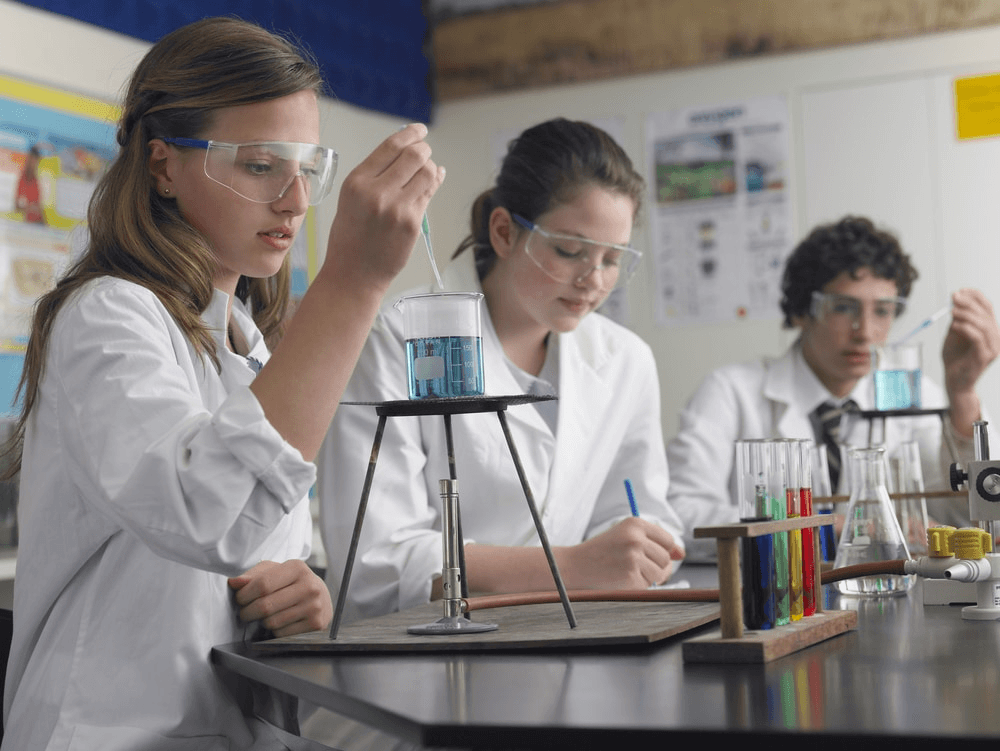
From the first week, students are immersed in genuine research problems in fields like astrophysics, biochemistry, and genomics. The work is collaborative, data-driven, and demanding.
Students are expected to think like researchers, not participants. There is very little scaffolding for basic concepts, which immediately filters for readiness.
The Academic Bar Is Consistently High
SSP assumes strong preparation in math and science.
Students regularly work with advanced material, complex calculations, and unfamiliar tools. The program moves quickly, and falling behind is difficult to recover from.
This level of rigor means that even academically strong students can find SSP overwhelming if they are not used to sustained intellectual pressure.
Selection Focuses on Depth, Not Just Grades
High grades alone are not enough.
SSP looks for evidence that a student can handle ambiguity, persistence, and collaborative problem-solving. Essays and recommendations play a significant role in identifying students who enjoy struggling with difficult problems rather than avoiding them.
Curiosity, resilience, and intellectual stamina matter as much as academic performance.
The Time Commitment Is Extreme
SSP demands full immersion.
Students work long hours every day, often extending into evenings. Research discussions, data analysis, and writing are continuous. There is little separation between academic and personal time.
This intensity is part of what makes SSP transformative, but it also explains why the program is selective about who it admits.
Peer Environment Raises the Standard
SSP cohorts are academically concentrated.
Students are surrounded by peers who are deeply committed to science and comfortable with advanced concepts. This environment pushes everyone to operate at a higher level.
The peer dynamic amplifies the rigor. Students are constantly challenged, not just by the work, but by the expectations of the group.
Outcomes Reflect the Program’s Depth
By the end of SSP, students complete substantial research projects.
They gain experience in data analysis, scientific writing, and collaborative research workflows. These outcomes are concrete and difficult to replicate in shorter or less intensive programs.
The program’s reputation comes from what students actually produce, not just where they attend.
Why SSP Is Not Right for Every Strong Student
SSP is not an exploration program.
Students who are still discovering their interest in science, or who prefer guided instruction, may find the experience discouraging. The program rewards independence and tolerance for frustration.
Choosing SSP for prestige rather than fit often leads to burnout.
Final Thoughts
SSP is difficult to get into because it demands a very specific kind of readiness.
It looks for students who are prepared to commit fully, think deeply, and persist through uncertainty. The selectivity reflects the intensity of the experience, not just its reputation.
For students who thrive under challenge, SSP can be defining. For others, equally meaningful growth may come from programs better aligned with their stage and goals.
If you are a high school student pushing yourself to stand out in college applications, RISE Research offers a unique opportunity to work one-on-one with mentors from top universities around the world.
Through personalized guidance and independent research projects that can lead to prestigious publications, RISE helps you build a standout academic profile and develop skills that set you apart. With flexible program dates and global accessibility, ambitious students can apply year-round. To learn more about eligibility, costs, and how to get started, visit RISE Research’s official website and take your college preparation to the next level!
Read More