>
>
>
8 research programs for 12th graders: what's still possible before applications
8 research programs for 12th graders: what's still possible before applications
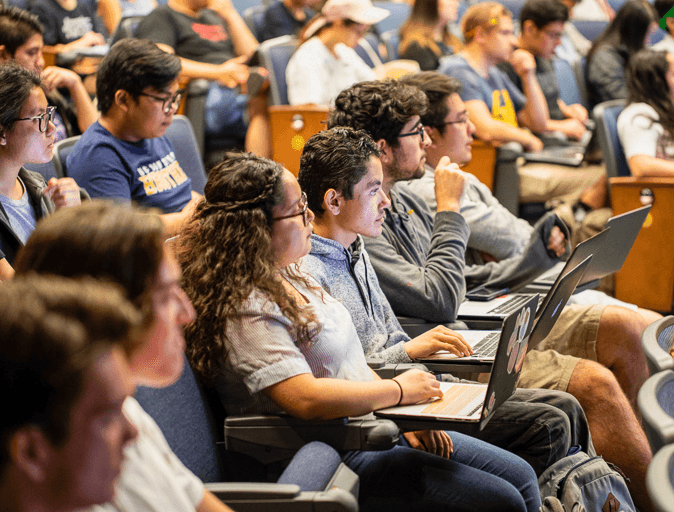
8 research programs for 12th graders: what's still possible before applications | RISE Research
8 research programs for 12th graders: what's still possible before applications | RISE Research
RISE Research
RISE Research
TL;DR: This list is for Grade 12 students in the US who want to strengthen their college applications with a research credential before Early Action and Early Decision deadlines. It includes free and paid options, online and in-person formats, and programs that can realistically produce an output this year. If a published paper before November is your goal, RISE Research is the strongest option on this list. Book a free Research Assessment to confirm your timeline.
Introduction
Grade 12 is not too late for research. That assumption costs students real opportunities every year. The honest reality is that most selective programs have already closed for juniors who waited, but a focused set of programs are built specifically for the timeline 12th graders are working with. Some produce submitted papers before November EA deadlines. Others build a portfolio or project that strengthens the application narrative even without a full publication.
The challenge for 12th graders is not a shortage of programs. It is identifying which ones can move fast enough to matter. A 10-month program that delivers results in May is useful for waitlist situations and scholarship applications, but it will not influence your Common App. A 10-week program that produces a submitted manuscript by October is a different proposition entirely.
We have ranked these 8 research programs for 12th graders by their outcomes: publication rates, what students actually produce, and whether the timeline is realistic for a student applying this fall. Not by marketing claims.
How to choose the right research program for 12th graders
Before you read the list, use these five criteria to evaluate every program you consider:
Does it produce a verifiable output before your application deadline? A submitted manuscript, a conference presentation, or a published paper carries more weight than a certificate of completion. Ask the program exactly when students submit or publish.
Who are the mentors and what are their credentials? PhD-level mentors who are active researchers produce stronger outputs than graduate students or recent graduates. Ask for the mentor's institutional affiliation and publication record.
Is the format compatible with your senior year schedule? AP classes, standardized testing, and college visits compress your time significantly. A program requiring 15 hours per week will likely collapse. Look for programs requiring 1 to 4 hours per week.
What is the real cost, including add-ons? Some programs list a base fee and charge separately for publication, editing, or journal submission. Get the all-in number before you commit.
What are the verified admissions outcomes? Ask for data, not anecdotes. Acceptance rates to specific universities, not general statements about "top schools."
The 8 best research programs for 12th graders in 2026
1. MIT PRIMES-USA
Massachusetts Institute of Technology | Online | Free | Applications typically open in October for the following year
PRIMES-USA is a free, year-long mathematics research program run by MIT for high school students outside the Boston area. Students work on original math problems under MIT faculty and graduate student mentors. The program is highly selective and focuses exclusively on mathematics. For 12th graders, the timing is important: the 2026 cycle would run through the academic year, meaning results emerge after most EA deadlines. It is worth applying for the research credential and the MIT affiliation, but it should not be counted on to influence fall 2026 applications.
Best for: Mathematically exceptional 12th graders who want a prestigious research credential for deferred enrollment, gap year, or scholarship applications.
2. RISE Research
RISE Global Education | Fully Online | Paid (selective program) | Summer 2026 cohort deadline approaching
RISE Research is a selective 1-on-1 mentorship program where Grade 9 to 12 students conduct original, university-level research under PhD mentors from Ivy League and Oxbridge institutions. For 12th graders specifically, the program is designed to produce a submitted manuscript within 10 weeks, which means a student starting in June 2026 can have a paper under review at an academic journal before November EA deadlines.
The outcomes are independently verifiable. RISE scholars have a 90% publication rate across 40+ academic journals. The admissions data is specific: RISE scholars are accepted to Stanford at 18% versus the standard 8.7%, and to UPenn at 32% versus the standard 3.8%. The 500+ mentor network spans STEM, humanities, social sciences, and business, so students are not limited to science research. The program runs at 1 to 2 hours per week, which is realistic alongside a full senior year schedule.
RISE is paid and selective. It is not the right fit for every student. But for a 12th grader whose goal is a published paper before their Common App is submitted, no other program on this list matches the combination of timeline, mentor quality, and documented outcomes. RISE is fully online and available to students across all 50 states. You can review RISE admissions results before making a decision.
Best for: Grade 12 students who need a published or submitted paper before November EA deadlines and want 1-on-1 mentorship from a credentialed PhD researcher.
3. Simons Summer Research Program
Stony Brook University | In-Person (New York) | Free (stipend provided) | Applications typically open in January
The Simons Summer Research Program at Stony Brook University places high school students in active university research labs for a seven-week summer experience. Students work alongside faculty and graduate researchers and present their findings at a closing symposium. The program is free and provides a stipend. It is geographically limited to students who can commute to or stay near Stony Brook, Long Island. For 12th graders, the summer timing means work is completed before fall applications open, and the Stony Brook affiliation and research presentation are legitimate credentials to include on the Common App.
Best for: 12th graders in New York or the tri-state area who want a free, in-person lab experience with a university affiliation before senior year applications.
4. Research Science Institute (RSI)
Center for Excellence in Education / MIT | In-Person (Cambridge, MA) | Free | Applications open in October, deadline typically in December
RSI is one of the most selective free research programs in the country. Students spend six weeks at MIT conducting original research under faculty mentors and produce a written research paper and oral presentation. Acceptance rates are extremely low, estimated under 2%. For 12th graders, RSI is worth applying to, but the acceptance bar is high enough that it should not be a student's only research strategy. The program runs in summer, so outputs are available before fall applications. RSI alumni have strong admissions records at top universities.
Best for: Exceptionally high-achieving 12th graders who want the most prestigious free program available and are willing to accept a very low probability of admission.
5. Davidson Fellows Scholarship
Davidson Institute | Online submission | Free to apply | 2026 application deadline: February 12, 2026
The Davidson Fellows Scholarship recognizes students under 18 who have completed a significant piece of work in science, technology, mathematics, literature, music, philosophy, or outside the box categories. Awards range from $10,000 to $50,000. For 12th graders who have already completed a research project, this is a high-value credential to pursue before applications. Students who have not yet completed a project will not meet the February 2026 deadline for the current cycle. The application requires a completed body of work, not a proposal.
Best for: 12th graders who have already completed original research and want a nationally recognized scholarship credential to include in college applications.
6. Regeneron Science Talent Search
Society for Science | Online submission | Free to enter | 2026 deadline: November 12, 2025 (check official site for 2026-27 cycle)
The Regeneron Science Talent Search is the oldest and most prestigious pre-college science competition in the US. Students submit an original research report and application. Finalists receive awards up to $250,000 and significant national recognition. The competition requires a completed research project at submission. For 12th graders, this means research must be substantially complete before the November deadline. Students who complete research over the summer of 2026 would be positioned for the 2026-27 cycle. Check the official Society for Science website for the current cycle deadline.
Best for: 12th graders with a completed STEM research project who want the most recognized science competition credential available to US high school students.
7. Aspiring Scientists Summer Internship Program (ASSIP)
George Mason University | In-Person (Fairfax, Virginia) | Free | Applications typically open in January
ASSIP places high school and undergraduate students in active research labs at George Mason University for an eight-week summer internship. Students work with faculty mentors, attend research workshops, and present their work at a closing symposium. The program is free and open to students from any state, though the in-person requirement means students must be able to travel to Fairfax, Virginia. For 12th graders, the summer timing positions research outputs before fall applications. Verify current 2026 application windows on the official GMU ASSIP page.
Best for: 12th graders who can travel to Northern Virginia for a free, in-person university lab experience in STEM fields.
8. Broad Summer Scholars Program
Broad Institute of MIT and Harvard | In-Person (Cambridge, MA) | Free | Applications typically open in January
The Broad Summer Scholars Program places high school students in genomics and biomedical research labs at the Broad Institute for a paid, eight-week summer internship. Students work on real research projects alongside scientists and present findings at the end of the program. The program is limited to life sciences and requires in-person participation in Cambridge, Massachusetts. For 12th graders interested in biology, genetics, or biomedical research, the Broad affiliation is a strong credential. Verify 2026 application dates on the official Broad Institute page.
Best for: 12th graders with a strong interest in genomics or biomedical research who can commit to an in-person summer program in Cambridge, MA.
Quick comparison: 12th grade research programs at a glance
Programme | Format | Cost | Output | Publication rate |
|---|---|---|---|---|
MIT PRIMES-USA | Online | Free | Research paper | Not publicly disclosed |
RISE Research | Online | Paid | Published/submitted paper | 90% |
Simons Summer Research | In-person (NY) | Free + stipend | Symposium presentation | Not publicly disclosed |
Research Science Institute | In-person (MA) | Free | Research paper + oral presentation | Not publicly disclosed |
Davidson Fellows Scholarship | Online submission | Free to apply | Completed project + award | Not applicable |
Regeneron Science Talent Search | Online submission | Free to enter | Research report + competition | Not applicable |
ASSIP (George Mason) | In-person (VA) | Free | Symposium presentation | Not publicly disclosed |
Broad Summer Scholars | In-person (MA) | Free + stipend | Research presentation | Not publicly disclosed |
Which research program is right for 12th graders?
The right program depends on your specific goal and your timeline. Here is a direct framework for Grade 12 students making this decision now.
If your goal is a published or submitted paper before November EA deadlines: RISE Research is the only program on this list that reliably delivers that outcome within a 10-week window. The program is online, available to students in every state, and runs at a pace that is compatible with senior year coursework. Read more about why research experience is the most underrated strength on college applications before deciding.
If your goal is a free, prestigious program and you have a completed STEM project: Regeneron Science Talent Search or the Davidson Fellows Scholarship are the strongest options. Both require completed work at submission, so they are only viable if your research is already done.
If your goal is a free, in-person university lab experience this summer: Simons, ASSIP, and Broad Summer Scholars are all strong options, depending on your location and subject area. All three are competitive and have limited spots.
If you are still deciding on a research topic and want expert guidance to develop it: RISE Research includes topic development as part of the mentorship process. You do not need a research question before you apply. Understanding the parent's timeline for research and college applications can help clarify whether starting now still makes sense for your grade.
The RISE Summer 2026 cohort is open to students across the US. If a published research paper before your college application is the goal, book a free 20-minute Research Assessment to see whether the timeline works for your grade and subject.
Frequently asked questions about research programs for 12th graders
Is it too late to do research as a 12th grader?
No. 12th graders can still produce a submitted or published research paper before November EA deadlines if they start a focused program by June or July 2026. Programs like RISE Research are specifically designed for the compressed timeline of senior year. The key is choosing a program that produces a verifiable output within 10 to 12 weeks, not one that runs through the full academic year.
Can a 12th grader get a research paper published before college applications?
Yes, with the right program. RISE Research has a 90% publication rate, and students who start in early summer typically have a submitted manuscript before October. Submission to a journal before the application deadline is a legitimate and verifiable credential, even if the paper has not yet appeared in print. Admissions officers understand the peer review timeline.
Do college admissions officers value research programs for senior year students?
Yes, particularly when the research produced is original and verifiable. A submitted or published paper, a competition result, or a named university affiliation all carry weight on the Common App. Generic research certificates without a concrete output carry significantly less. Admissions officers at selective universities are experienced at distinguishing substantive research from resume padding. You can review how to build a research portfolio for college applications to understand how to present your work effectively.
What are the best free research programs for 12th graders?
RSI, Simons Summer Research, ASSIP, and Broad Summer Scholars are all free and well-regarded. RSI is the most selective and prestigious. Simons and ASSIP are more accessible but geographically limited. For students who want a free program with a competition credential, Regeneron Science Talent Search and Davidson Fellows are worth pursuing if research is already complete. See the full overview of best research programs for high school students for a broader comparison.
How do I include research on my Common App if I start in 12th grade?
Research completed during senior year can be included in the Activities section, the Additional Information section, or referenced directly in the personal statement or supplemental essays. A submitted paper can be listed as a verifiable achievement. If the paper is published before submission, it can be cited by journal name and title. Students who complete research after submitting can update admissions offices through a mid-year school report or direct correspondence.
Conclusion
Grade 12 students have more research options than most assume, and the programs on this list reflect a range of formats, costs, and timelines. RSI and Regeneron remain the most prestigious free options for students with completed STEM projects. Simons, ASSIP, and Broad offer strong free, in-person experiences for students who can commit to a specific location this summer. For students who need a published or submitted paper before November and want expert 1-on-1 mentorship regardless of location, RISE Research stands apart from every other option on this list in terms of documented outcomes and timeline reliability.
The Summer 2026 Priority Deadline is approaching. If RISE Research sounds like the right fit for your goals, schedule a free Research Assessment and we will tell you exactly what is achievable before your application deadlines.
TL;DR: This list is for Grade 12 students in the US who want to strengthen their college applications with a research credential before Early Action and Early Decision deadlines. It includes free and paid options, online and in-person formats, and programs that can realistically produce an output this year. If a published paper before November is your goal, RISE Research is the strongest option on this list. Book a free Research Assessment to confirm your timeline.
Introduction
Grade 12 is not too late for research. That assumption costs students real opportunities every year. The honest reality is that most selective programs have already closed for juniors who waited, but a focused set of programs are built specifically for the timeline 12th graders are working with. Some produce submitted papers before November EA deadlines. Others build a portfolio or project that strengthens the application narrative even without a full publication.
The challenge for 12th graders is not a shortage of programs. It is identifying which ones can move fast enough to matter. A 10-month program that delivers results in May is useful for waitlist situations and scholarship applications, but it will not influence your Common App. A 10-week program that produces a submitted manuscript by October is a different proposition entirely.
We have ranked these 8 research programs for 12th graders by their outcomes: publication rates, what students actually produce, and whether the timeline is realistic for a student applying this fall. Not by marketing claims.
How to choose the right research program for 12th graders
Before you read the list, use these five criteria to evaluate every program you consider:
Does it produce a verifiable output before your application deadline? A submitted manuscript, a conference presentation, or a published paper carries more weight than a certificate of completion. Ask the program exactly when students submit or publish.
Who are the mentors and what are their credentials? PhD-level mentors who are active researchers produce stronger outputs than graduate students or recent graduates. Ask for the mentor's institutional affiliation and publication record.
Is the format compatible with your senior year schedule? AP classes, standardized testing, and college visits compress your time significantly. A program requiring 15 hours per week will likely collapse. Look for programs requiring 1 to 4 hours per week.
What is the real cost, including add-ons? Some programs list a base fee and charge separately for publication, editing, or journal submission. Get the all-in number before you commit.
What are the verified admissions outcomes? Ask for data, not anecdotes. Acceptance rates to specific universities, not general statements about "top schools."
The 8 best research programs for 12th graders in 2026
1. MIT PRIMES-USA
Massachusetts Institute of Technology | Online | Free | Applications typically open in October for the following year
PRIMES-USA is a free, year-long mathematics research program run by MIT for high school students outside the Boston area. Students work on original math problems under MIT faculty and graduate student mentors. The program is highly selective and focuses exclusively on mathematics. For 12th graders, the timing is important: the 2026 cycle would run through the academic year, meaning results emerge after most EA deadlines. It is worth applying for the research credential and the MIT affiliation, but it should not be counted on to influence fall 2026 applications.
Best for: Mathematically exceptional 12th graders who want a prestigious research credential for deferred enrollment, gap year, or scholarship applications.
2. RISE Research
RISE Global Education | Fully Online | Paid (selective program) | Summer 2026 cohort deadline approaching
RISE Research is a selective 1-on-1 mentorship program where Grade 9 to 12 students conduct original, university-level research under PhD mentors from Ivy League and Oxbridge institutions. For 12th graders specifically, the program is designed to produce a submitted manuscript within 10 weeks, which means a student starting in June 2026 can have a paper under review at an academic journal before November EA deadlines.
The outcomes are independently verifiable. RISE scholars have a 90% publication rate across 40+ academic journals. The admissions data is specific: RISE scholars are accepted to Stanford at 18% versus the standard 8.7%, and to UPenn at 32% versus the standard 3.8%. The 500+ mentor network spans STEM, humanities, social sciences, and business, so students are not limited to science research. The program runs at 1 to 2 hours per week, which is realistic alongside a full senior year schedule.
RISE is paid and selective. It is not the right fit for every student. But for a 12th grader whose goal is a published paper before their Common App is submitted, no other program on this list matches the combination of timeline, mentor quality, and documented outcomes. RISE is fully online and available to students across all 50 states. You can review RISE admissions results before making a decision.
Best for: Grade 12 students who need a published or submitted paper before November EA deadlines and want 1-on-1 mentorship from a credentialed PhD researcher.
3. Simons Summer Research Program
Stony Brook University | In-Person (New York) | Free (stipend provided) | Applications typically open in January
The Simons Summer Research Program at Stony Brook University places high school students in active university research labs for a seven-week summer experience. Students work alongside faculty and graduate researchers and present their findings at a closing symposium. The program is free and provides a stipend. It is geographically limited to students who can commute to or stay near Stony Brook, Long Island. For 12th graders, the summer timing means work is completed before fall applications open, and the Stony Brook affiliation and research presentation are legitimate credentials to include on the Common App.
Best for: 12th graders in New York or the tri-state area who want a free, in-person lab experience with a university affiliation before senior year applications.
4. Research Science Institute (RSI)
Center for Excellence in Education / MIT | In-Person (Cambridge, MA) | Free | Applications open in October, deadline typically in December
RSI is one of the most selective free research programs in the country. Students spend six weeks at MIT conducting original research under faculty mentors and produce a written research paper and oral presentation. Acceptance rates are extremely low, estimated under 2%. For 12th graders, RSI is worth applying to, but the acceptance bar is high enough that it should not be a student's only research strategy. The program runs in summer, so outputs are available before fall applications. RSI alumni have strong admissions records at top universities.
Best for: Exceptionally high-achieving 12th graders who want the most prestigious free program available and are willing to accept a very low probability of admission.
5. Davidson Fellows Scholarship
Davidson Institute | Online submission | Free to apply | 2026 application deadline: February 12, 2026
The Davidson Fellows Scholarship recognizes students under 18 who have completed a significant piece of work in science, technology, mathematics, literature, music, philosophy, or outside the box categories. Awards range from $10,000 to $50,000. For 12th graders who have already completed a research project, this is a high-value credential to pursue before applications. Students who have not yet completed a project will not meet the February 2026 deadline for the current cycle. The application requires a completed body of work, not a proposal.
Best for: 12th graders who have already completed original research and want a nationally recognized scholarship credential to include in college applications.
6. Regeneron Science Talent Search
Society for Science | Online submission | Free to enter | 2026 deadline: November 12, 2025 (check official site for 2026-27 cycle)
The Regeneron Science Talent Search is the oldest and most prestigious pre-college science competition in the US. Students submit an original research report and application. Finalists receive awards up to $250,000 and significant national recognition. The competition requires a completed research project at submission. For 12th graders, this means research must be substantially complete before the November deadline. Students who complete research over the summer of 2026 would be positioned for the 2026-27 cycle. Check the official Society for Science website for the current cycle deadline.
Best for: 12th graders with a completed STEM research project who want the most recognized science competition credential available to US high school students.
7. Aspiring Scientists Summer Internship Program (ASSIP)
George Mason University | In-Person (Fairfax, Virginia) | Free | Applications typically open in January
ASSIP places high school and undergraduate students in active research labs at George Mason University for an eight-week summer internship. Students work with faculty mentors, attend research workshops, and present their work at a closing symposium. The program is free and open to students from any state, though the in-person requirement means students must be able to travel to Fairfax, Virginia. For 12th graders, the summer timing positions research outputs before fall applications. Verify current 2026 application windows on the official GMU ASSIP page.
Best for: 12th graders who can travel to Northern Virginia for a free, in-person university lab experience in STEM fields.
8. Broad Summer Scholars Program
Broad Institute of MIT and Harvard | In-Person (Cambridge, MA) | Free | Applications typically open in January
The Broad Summer Scholars Program places high school students in genomics and biomedical research labs at the Broad Institute for a paid, eight-week summer internship. Students work on real research projects alongside scientists and present findings at the end of the program. The program is limited to life sciences and requires in-person participation in Cambridge, Massachusetts. For 12th graders interested in biology, genetics, or biomedical research, the Broad affiliation is a strong credential. Verify 2026 application dates on the official Broad Institute page.
Best for: 12th graders with a strong interest in genomics or biomedical research who can commit to an in-person summer program in Cambridge, MA.
Quick comparison: 12th grade research programs at a glance
Programme | Format | Cost | Output | Publication rate |
|---|---|---|---|---|
MIT PRIMES-USA | Online | Free | Research paper | Not publicly disclosed |
RISE Research | Online | Paid | Published/submitted paper | 90% |
Simons Summer Research | In-person (NY) | Free + stipend | Symposium presentation | Not publicly disclosed |
Research Science Institute | In-person (MA) | Free | Research paper + oral presentation | Not publicly disclosed |
Davidson Fellows Scholarship | Online submission | Free to apply | Completed project + award | Not applicable |
Regeneron Science Talent Search | Online submission | Free to enter | Research report + competition | Not applicable |
ASSIP (George Mason) | In-person (VA) | Free | Symposium presentation | Not publicly disclosed |
Broad Summer Scholars | In-person (MA) | Free + stipend | Research presentation | Not publicly disclosed |
Which research program is right for 12th graders?
The right program depends on your specific goal and your timeline. Here is a direct framework for Grade 12 students making this decision now.
If your goal is a published or submitted paper before November EA deadlines: RISE Research is the only program on this list that reliably delivers that outcome within a 10-week window. The program is online, available to students in every state, and runs at a pace that is compatible with senior year coursework. Read more about why research experience is the most underrated strength on college applications before deciding.
If your goal is a free, prestigious program and you have a completed STEM project: Regeneron Science Talent Search or the Davidson Fellows Scholarship are the strongest options. Both require completed work at submission, so they are only viable if your research is already done.
If your goal is a free, in-person university lab experience this summer: Simons, ASSIP, and Broad Summer Scholars are all strong options, depending on your location and subject area. All three are competitive and have limited spots.
If you are still deciding on a research topic and want expert guidance to develop it: RISE Research includes topic development as part of the mentorship process. You do not need a research question before you apply. Understanding the parent's timeline for research and college applications can help clarify whether starting now still makes sense for your grade.
The RISE Summer 2026 cohort is open to students across the US. If a published research paper before your college application is the goal, book a free 20-minute Research Assessment to see whether the timeline works for your grade and subject.
Frequently asked questions about research programs for 12th graders
Is it too late to do research as a 12th grader?
No. 12th graders can still produce a submitted or published research paper before November EA deadlines if they start a focused program by June or July 2026. Programs like RISE Research are specifically designed for the compressed timeline of senior year. The key is choosing a program that produces a verifiable output within 10 to 12 weeks, not one that runs through the full academic year.
Can a 12th grader get a research paper published before college applications?
Yes, with the right program. RISE Research has a 90% publication rate, and students who start in early summer typically have a submitted manuscript before October. Submission to a journal before the application deadline is a legitimate and verifiable credential, even if the paper has not yet appeared in print. Admissions officers understand the peer review timeline.
Do college admissions officers value research programs for senior year students?
Yes, particularly when the research produced is original and verifiable. A submitted or published paper, a competition result, or a named university affiliation all carry weight on the Common App. Generic research certificates without a concrete output carry significantly less. Admissions officers at selective universities are experienced at distinguishing substantive research from resume padding. You can review how to build a research portfolio for college applications to understand how to present your work effectively.
What are the best free research programs for 12th graders?
RSI, Simons Summer Research, ASSIP, and Broad Summer Scholars are all free and well-regarded. RSI is the most selective and prestigious. Simons and ASSIP are more accessible but geographically limited. For students who want a free program with a competition credential, Regeneron Science Talent Search and Davidson Fellows are worth pursuing if research is already complete. See the full overview of best research programs for high school students for a broader comparison.
How do I include research on my Common App if I start in 12th grade?
Research completed during senior year can be included in the Activities section, the Additional Information section, or referenced directly in the personal statement or supplemental essays. A submitted paper can be listed as a verifiable achievement. If the paper is published before submission, it can be cited by journal name and title. Students who complete research after submitting can update admissions offices through a mid-year school report or direct correspondence.
Conclusion
Grade 12 students have more research options than most assume, and the programs on this list reflect a range of formats, costs, and timelines. RSI and Regeneron remain the most prestigious free options for students with completed STEM projects. Simons, ASSIP, and Broad offer strong free, in-person experiences for students who can commit to a specific location this summer. For students who need a published or submitted paper before November and want expert 1-on-1 mentorship regardless of location, RISE Research stands apart from every other option on this list in terms of documented outcomes and timeline reliability.
The Summer 2026 Priority Deadline is approaching. If RISE Research sounds like the right fit for your goals, schedule a free Research Assessment and we will tell you exactly what is achievable before your application deadlines.
Winter 2026 Early Admission Deadline Closing on 18th October
Book a free 20-min strategy call
Book a free 20-min strategy call
Read More