>
>
>
10 best research programs for high school students in Massachusetts (2026)
10 best research programs for high school students in Massachusetts (2026)
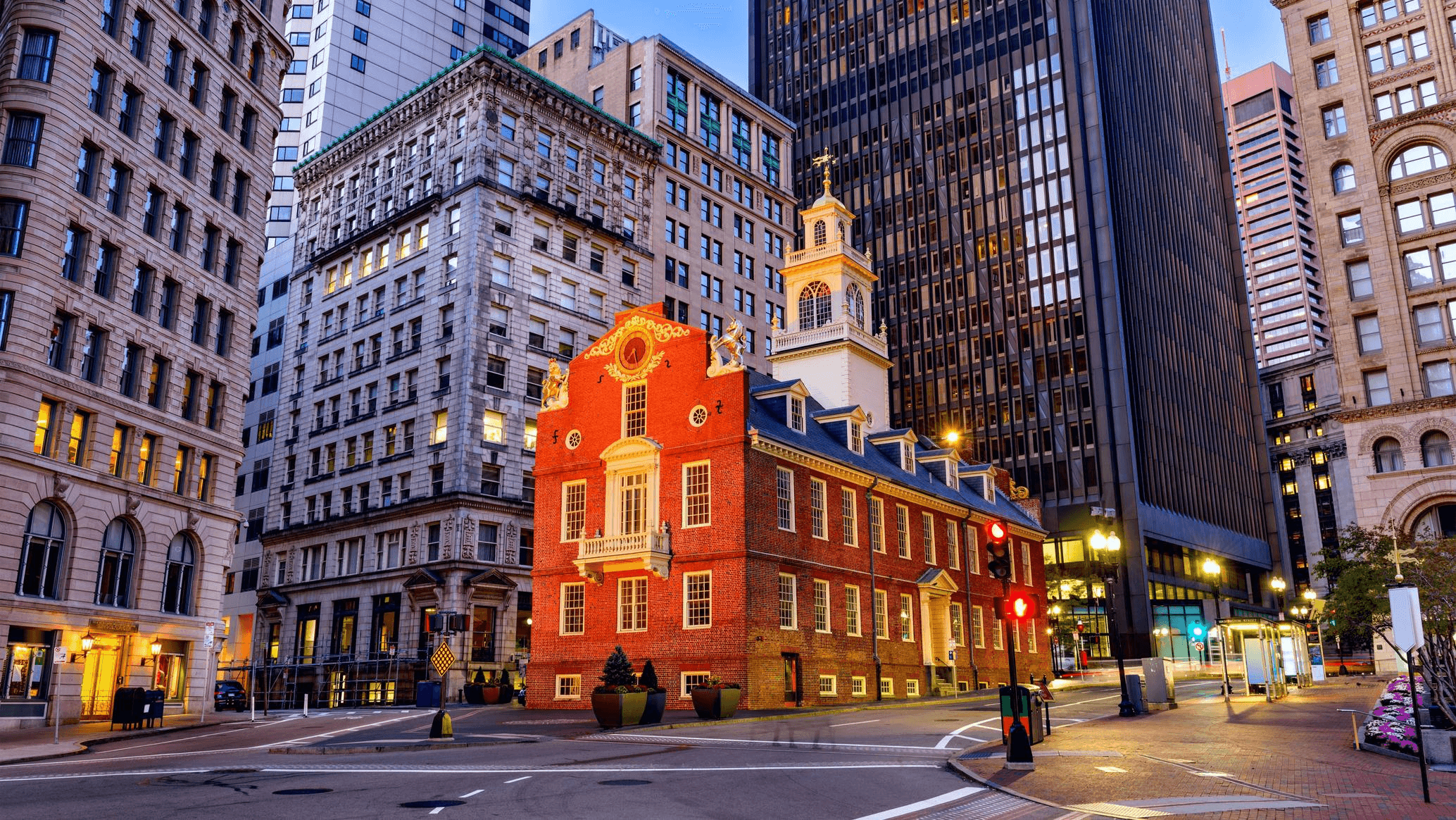
10 best research programs for high school students in Massachusetts (2026) | RISE Research
10 best research programs for high school students in Massachusetts (2026) | RISE Research
RISE Research
RISE Research
TL;DR: This list is for high school students in Massachusetts and their parents who are comparing research programs ahead of the 2026 application cycle. It includes free, selective, and paid options, both in-person and fully online. When evaluating any program, look for verifiable outputs, credentialed mentors, and real admissions data. If RISE Research looks like the right fit after reading, book a free Research Assessment before the Summer 2026 cohort closes.
Introduction
Massachusetts is one of the most research-rich states in the country. Students here have access to programs at MIT, Harvard, Boston University, Tufts, and UMass campuses, alongside nationally competitive online programs. The challenge is not finding a research program. The challenge is identifying which one will actually produce something meaningful for your college application and your academic development.
This list covers the 10 best research programs for high school students in Massachusetts in 2026, including free university-affiliated programs, selective residential experiences, and rigorous online mentorship options. We have ranked these programs by their outcomes, including publication rates, admissions results, and what students actually produce, not by marketing claims.
How to Choose the Right Research Program for Massachusetts Students
Before you compare programs, align on what you actually need. Here are five criteria that matter for Massachusetts students specifically.
1. Does it produce a verifiable output? A research program should end with something concrete: a published paper, a peer-reviewed submission, a conference presentation, or a documented project. Ask which journals accept student submissions and what percentage of participants actually publish.
2. Who are the mentors? PhD-level mentors with active publication records are the standard to aim for. Avoid programs where mentor credentials are vague or unlisted.
3. Online or in-person, and does that work for your schedule? Massachusetts students near Boston have genuine in-person options. Students in Worcester, Springfield, or the Pioneer Valley may find online programs more practical. Both formats can be equally rigorous.
4. What is the real cost? Some programs list a base fee and charge separately for publication support or journal submission fees. Confirm the all-in cost before applying.
5. What are the verified admissions outcomes? Look for programs that publish specific acceptance rate data for alumni, not just a list of schools attendees have gone to.
6. Is there a local in-person option, or is it fully online? For Massachusetts students, this is worth confirming early. Several programs on this list are Boston-based and in-person. Others are fully online and available to students anywhere in the state.
The 10 Best Research Programs for High School Students in Massachusetts in 2026
1. MIT Research Science Institute (RSI)
MIT / Center for Excellence in Education | In-person, Cambridge MA | Free (fully funded) | Applications open in December 2025
RSI is widely considered the most selective free research program in the United States. Approximately 80 students are chosen each summer to conduct original research at MIT alongside faculty mentors. Students produce a formal research paper and present findings at an internal symposium. Admission is extremely competitive, with an acceptance rate estimated below 1%. For Massachusetts students already near MIT, this is an unmatched in-person opportunity, but the selectivity means it should not be the only program on your list.
Best for: Top-ranked students with strong math and science records who want a fully funded, residential research experience at MIT.
2. RISE Research
RISE Global Education | Fully online, available to all Massachusetts students | Paid, selective | Summer 2026 cohort open now
RISE Research is a selective 1-on-1 mentorship program where high school students in Grades 9 through 12 conduct original, university-level research under PhD mentors from Ivy League and Oxbridge institutions. Students work 1 to 2 hours per week over 10 weeks and produce a research paper submitted for publication in peer-reviewed academic journals. RISE works with a network of 500+ expert mentors published across 40+ academic journals, spanning STEM, social sciences, economics, humanities, and more.
The outcomes are documented and specific. RISE scholars have a 90% publication rate. The admissions results include an 18% Stanford acceptance rate for RISE scholars versus the 8.7% general rate, and a 32% UPenn acceptance rate versus 3.8% generally. That is a 3x higher acceptance rate to Top 10 universities compared to the national average.
For Massachusetts students, RISE is fully online and accessible regardless of whether you are in Boston, Worcester, or a rural part of the state. It runs alongside existing coursework and does not require relocation or a full summer commitment. RISE is a paid program, and it is selective, so it rewards students who apply early. The Summer 2026 cohort deadline is approaching.
Explore RISE publications and student research projects to see the range of subjects and outputs.
Best for: Massachusetts students in Grades 9 to 12 who want a published research paper, 1-on-1 PhD mentorship, and a flexible online format that fits around school and extracurriculars.
3. Harvard Secondary School Program (SSP)
Harvard University | In-person, Cambridge MA | Paid (approx. $5,500 to $13,000 depending on residential status) | Applications open January 2026
Harvard SSP allows high school students to take Harvard courses for credit during the summer. While it is not a dedicated research program, students can enroll in courses with significant research and writing components. The Harvard name carries weight, and the academic environment is genuinely rigorous. The cost is substantial, and students should be clear that this is a coursework experience rather than an independent research mentorship. It does not guarantee a published paper.
Best for: Students who want Harvard course credit and an immersive academic environment, and who are not yet ready for independent original research.
4. Boston University Research Internship in Science and Engineering (RISE)
Boston University | In-person, Boston MA | Paid (approx. $6,000 to $7,000) | Applications typically open in January 2026
BU RISE is a six-week residential summer program where students work in BU research labs alongside faculty and graduate student mentors. Students complete a research project and present findings at a final symposium. The program covers STEM fields including biology, chemistry, engineering, and neuroscience. It is a strong option for Massachusetts students who can commute or are comfortable with a residential format. Students produce a research presentation rather than a peer-reviewed paper, which is worth noting when comparing outputs.
Best for: STEM-focused students in the Boston area who want hands-on lab experience and access to university research facilities.
5. MIT Beaver Works Summer Institute (BWSI)
MIT Lincoln Laboratory and MIT | In-person, Cambridge MA | Free | Applications open in January 2026
BWSI is a rigorous four-week program focused on engineering, computing, and applied science. Students complete a project-based curriculum in areas such as autonomous vehicles, quantum software, and cybersecurity. Admission requires completion of free online coursework during the preceding academic year. The program is free and selective, and it produces students with strong technical project portfolios. It is not a traditional research publication program, but the technical depth is significant.
Best for: Students with strong programming or engineering backgrounds who want a project-based technical experience at MIT.
6. Tufts University Summer Research Experience
Tufts University | In-person, Medford MA | Paid (fees vary by program) | Check Tufts Pre-College website for 2026 dates
Tufts offers pre-college summer programs with research components in areas including biomedical science, engineering, and veterinary science. Students work with Tufts faculty and graduate researchers in a structured lab environment. The output is typically a research report or presentation rather than a journal submission. Tufts programs are well regarded regionally and provide genuine exposure to university-level research culture. Costs and availability vary by program track.
Best for: Massachusetts students interested in biomedical or life sciences who want a local in-person research experience at a respected research university.
7. UMass Amherst Summer Research Programs
University of Massachusetts Amherst | In-person, Amherst MA | Varies (some free, some paid) | Applications typically open in February 2026
UMass Amherst runs several summer research opportunities for high school students through departments including biology, computer science, and environmental science. Some tracks are free for Massachusetts residents through NSF-funded REU-adjacent programs. Students work in faculty labs and produce research summaries or presentations. This is a strong option for students in western Massachusetts who want a local university research experience without traveling to Boston.
Best for: Western Massachusetts students who want in-person lab access at a flagship state university, particularly in STEM fields.
8. Simons Summer Research Program
Stony Brook University | In-person, Stony Brook NY | Free (selective stipend available) | Applications open in January 2026
The Simons Program places high school students in active research labs at Stony Brook University for seven weeks. Students produce a research paper and present at a formal symposium. It is free and includes a stipend. While it is located in New York, it is within reach for Massachusetts students willing to travel and is one of the most respected free research programs in the Northeast. Admission is highly competitive nationally.
Best for: Massachusetts students willing to travel to New York for a fully funded, intensive lab-based research experience with a formal paper output.
9. Science Research Mentoring Program (SRMP) at American Museum of Natural History
American Museum of Natural History | In-person, New York NY | Free | Applications open in spring 2026
SRMP pairs high school students with AMNH scientists for a year-long research mentorship. Students produce a formal research paper and present at a student symposium. The program is free and targets students from underrepresented backgrounds, though it is open to competitive applicants broadly. It requires a significant time commitment across the academic year. Massachusetts students would need to factor in travel, but the program's output quality and mentorship model are exceptional for a free option.
Best for: Students interested in natural sciences, earth science, or astrophysics who can commit to a year-long mentorship and are willing to travel to New York.
10. Regeneron Science Talent Search (STS) Preparation Programs
Society for Science | Online and school-based | Free (competition entry) | Project submission deadline: November 2025 for 2026 cycle
Regeneron STS is the most prestigious science research competition in the United States. Students submit original research projects completed independently or under a mentor. Many Massachusetts high schools have science research courses that prepare students for STS submission. The competition itself is free to enter. Students who advance to the finalist stage receive recognition that is highly valued by selective colleges. This entry is included because for Massachusetts students already conducting research, STS is the logical competition target, and several programs on this list can serve as the research foundation for an STS submission.
Best for: Students who have already completed or are completing a research project and want to compete for national recognition through the most prestigious US high school science competition.
Quick Comparison: Massachusetts High School Research Programs at a Glance
Programme | Format | Cost | Output | Publication Rate |
|---|---|---|---|---|
MIT RSI | In-person, Cambridge MA | Free | Research paper | Not publicly disclosed |
RISE Research | Fully online | Paid, selective | Peer-reviewed published paper | 90% |
Harvard SSP | In-person, Cambridge MA | Paid ($5,500 to $13,000) | Course credit, research writing | Not applicable |
BU RISE | In-person, Boston MA | Paid (~$6,000 to $7,000) | Research presentation | Not publicly disclosed |
MIT BWSI | In-person, Cambridge MA | Free | Technical project portfolio | Not applicable |
Tufts Summer Research | In-person, Medford MA | Paid (varies) | Research report or presentation | Not publicly disclosed |
UMass Amherst Summer Research | In-person, Amherst MA | Free to paid (varies) | Research summary or presentation | Not publicly disclosed |
Simons Summer Research | In-person, Stony Brook NY | Free with stipend | Research paper and symposium | Not publicly disclosed |
AMNH SRMP | In-person, New York NY | Free | Formal research paper | Not publicly disclosed |
Regeneron STS Prep | Online and school-based | Free | Competition submission | Not applicable |
Which Research Program Is Right for Massachusetts Students?
The right program depends on your location within Massachusetts, your grade, your subject interest, and what you need to produce before your college application deadlines.
If you are in the Boston area and want an in-person lab experience, BU RISE and Tufts Summer Research are strong local options. If you are near Cambridge and your academic record is exceptional, MIT RSI is worth applying to, but treat it as a reach and have a backup plan.
If you are in western Massachusetts or outside a major metro area, fully online programs are not a compromise. They are often the more practical and equally rigorous choice. RISE Research is fully online and available to students anywhere in Massachusetts, from Boston to Pittsfield.
If your goal is a published research paper before November Early Action deadlines, RISE Research is the clearest path. The 10-week format, 1-on-1 PhD mentorship, and 90% publication rate are designed specifically to produce that outcome within a timeline that works for college applicants.
If your goal is a free selective program with strong prestige, MIT RSI and MIT BWSI are the top choices for Massachusetts students. If you are still exploring and not ready to commit to independent research, Harvard SSP or a UMass departmental program gives you exposure without requiring a fully independent project.
The RISE Summer 2026 cohort is open to students across Massachusetts. If a published research paper before your college application is the goal, book a free 20-minute Research Assessment to see whether the timeline works for your grade and subject.
Frequently Asked Questions About Research Programs for Massachusetts High School Students
Are there free research programs for high school students in Massachusetts?
Yes. MIT RSI and MIT BWSI are both free and based in Cambridge. UMass Amherst offers free research tracks for some Massachusetts residents. Regeneron STS is free to enter. The tradeoff is that free programs in Massachusetts are extremely competitive, and most require students to already be near the top of their class nationally.
Free programs are worth applying to, but they should not be your only option. Pairing a free program application with a paid program that has a higher acceptance rate gives you a stronger overall strategy heading into the 2026 application cycle.
Do I need to be near a university to join a research program in Massachusetts?
No. Several strong programs on this list are fully online, including RISE Research, which accepts students anywhere in Massachusetts. In-person programs are concentrated in Boston and Cambridge, which puts students in western Massachusetts or on the South Coast at a geographic disadvantage for local options. Online programs eliminate that barrier entirely without reducing the quality of mentorship or the rigor of the research output.
How do online research programs compare to in-person programs for college applications?
Admissions officers evaluate the output and the rigor, not the format. A published peer-reviewed paper produced through an online mentorship program carries more weight than an in-person program that produces only a presentation or a participation certificate. The format matters less than what you can show for it. Focus on programs that produce verifiable, documented outputs regardless of whether they are online or in-person.
What research programs look best on a Massachusetts student's college application?
Programs that produce published papers or nationally recognized competition results carry the most weight. MIT RSI, RISE Research, Simons, and Regeneron STS finalists are consistently recognized by selective admissions offices. For Massachusetts students targeting MIT, Harvard, or other top-10 schools, the quality and originality of the research output matters more than the name of the program that hosted it. A published paper in a peer-reviewed journal from any program is a stronger signal than a certificate from a prestigious-sounding program with no verifiable output.
For a broader view of what works across different student profiles, see our guide to the best research programs for high school students and the best summer research programs for high school students.
Conclusion
Massachusetts students have more research program options than students in almost any other state. The programs on this list span free and paid, local and online, STEM-focused and interdisciplinary. The strongest options for students who need a verifiable output before college applications are MIT RSI for those who qualify, RISE Research for students who want a published paper with 1-on-1 PhD mentorship on a flexible schedule, and Simons or AMNH SRMP for those willing to travel for a fully funded experience.
The Summer 2026 Priority Deadline is approaching. If RISE Research sounds like the right fit for your goals, schedule a free Research Assessment and find out exactly what is achievable before your application deadlines. You can also explore research programs for US high school students broadly or review RISE scholar awards to see what students in this program have achieved.
TL;DR: This list is for high school students in Massachusetts and their parents who are comparing research programs ahead of the 2026 application cycle. It includes free, selective, and paid options, both in-person and fully online. When evaluating any program, look for verifiable outputs, credentialed mentors, and real admissions data. If RISE Research looks like the right fit after reading, book a free Research Assessment before the Summer 2026 cohort closes.
Introduction
Massachusetts is one of the most research-rich states in the country. Students here have access to programs at MIT, Harvard, Boston University, Tufts, and UMass campuses, alongside nationally competitive online programs. The challenge is not finding a research program. The challenge is identifying which one will actually produce something meaningful for your college application and your academic development.
This list covers the 10 best research programs for high school students in Massachusetts in 2026, including free university-affiliated programs, selective residential experiences, and rigorous online mentorship options. We have ranked these programs by their outcomes, including publication rates, admissions results, and what students actually produce, not by marketing claims.
How to Choose the Right Research Program for Massachusetts Students
Before you compare programs, align on what you actually need. Here are five criteria that matter for Massachusetts students specifically.
1. Does it produce a verifiable output? A research program should end with something concrete: a published paper, a peer-reviewed submission, a conference presentation, or a documented project. Ask which journals accept student submissions and what percentage of participants actually publish.
2. Who are the mentors? PhD-level mentors with active publication records are the standard to aim for. Avoid programs where mentor credentials are vague or unlisted.
3. Online or in-person, and does that work for your schedule? Massachusetts students near Boston have genuine in-person options. Students in Worcester, Springfield, or the Pioneer Valley may find online programs more practical. Both formats can be equally rigorous.
4. What is the real cost? Some programs list a base fee and charge separately for publication support or journal submission fees. Confirm the all-in cost before applying.
5. What are the verified admissions outcomes? Look for programs that publish specific acceptance rate data for alumni, not just a list of schools attendees have gone to.
6. Is there a local in-person option, or is it fully online? For Massachusetts students, this is worth confirming early. Several programs on this list are Boston-based and in-person. Others are fully online and available to students anywhere in the state.
The 10 Best Research Programs for High School Students in Massachusetts in 2026
1. MIT Research Science Institute (RSI)
MIT / Center for Excellence in Education | In-person, Cambridge MA | Free (fully funded) | Applications open in December 2025
RSI is widely considered the most selective free research program in the United States. Approximately 80 students are chosen each summer to conduct original research at MIT alongside faculty mentors. Students produce a formal research paper and present findings at an internal symposium. Admission is extremely competitive, with an acceptance rate estimated below 1%. For Massachusetts students already near MIT, this is an unmatched in-person opportunity, but the selectivity means it should not be the only program on your list.
Best for: Top-ranked students with strong math and science records who want a fully funded, residential research experience at MIT.
2. RISE Research
RISE Global Education | Fully online, available to all Massachusetts students | Paid, selective | Summer 2026 cohort open now
RISE Research is a selective 1-on-1 mentorship program where high school students in Grades 9 through 12 conduct original, university-level research under PhD mentors from Ivy League and Oxbridge institutions. Students work 1 to 2 hours per week over 10 weeks and produce a research paper submitted for publication in peer-reviewed academic journals. RISE works with a network of 500+ expert mentors published across 40+ academic journals, spanning STEM, social sciences, economics, humanities, and more.
The outcomes are documented and specific. RISE scholars have a 90% publication rate. The admissions results include an 18% Stanford acceptance rate for RISE scholars versus the 8.7% general rate, and a 32% UPenn acceptance rate versus 3.8% generally. That is a 3x higher acceptance rate to Top 10 universities compared to the national average.
For Massachusetts students, RISE is fully online and accessible regardless of whether you are in Boston, Worcester, or a rural part of the state. It runs alongside existing coursework and does not require relocation or a full summer commitment. RISE is a paid program, and it is selective, so it rewards students who apply early. The Summer 2026 cohort deadline is approaching.
Explore RISE publications and student research projects to see the range of subjects and outputs.
Best for: Massachusetts students in Grades 9 to 12 who want a published research paper, 1-on-1 PhD mentorship, and a flexible online format that fits around school and extracurriculars.
3. Harvard Secondary School Program (SSP)
Harvard University | In-person, Cambridge MA | Paid (approx. $5,500 to $13,000 depending on residential status) | Applications open January 2026
Harvard SSP allows high school students to take Harvard courses for credit during the summer. While it is not a dedicated research program, students can enroll in courses with significant research and writing components. The Harvard name carries weight, and the academic environment is genuinely rigorous. The cost is substantial, and students should be clear that this is a coursework experience rather than an independent research mentorship. It does not guarantee a published paper.
Best for: Students who want Harvard course credit and an immersive academic environment, and who are not yet ready for independent original research.
4. Boston University Research Internship in Science and Engineering (RISE)
Boston University | In-person, Boston MA | Paid (approx. $6,000 to $7,000) | Applications typically open in January 2026
BU RISE is a six-week residential summer program where students work in BU research labs alongside faculty and graduate student mentors. Students complete a research project and present findings at a final symposium. The program covers STEM fields including biology, chemistry, engineering, and neuroscience. It is a strong option for Massachusetts students who can commute or are comfortable with a residential format. Students produce a research presentation rather than a peer-reviewed paper, which is worth noting when comparing outputs.
Best for: STEM-focused students in the Boston area who want hands-on lab experience and access to university research facilities.
5. MIT Beaver Works Summer Institute (BWSI)
MIT Lincoln Laboratory and MIT | In-person, Cambridge MA | Free | Applications open in January 2026
BWSI is a rigorous four-week program focused on engineering, computing, and applied science. Students complete a project-based curriculum in areas such as autonomous vehicles, quantum software, and cybersecurity. Admission requires completion of free online coursework during the preceding academic year. The program is free and selective, and it produces students with strong technical project portfolios. It is not a traditional research publication program, but the technical depth is significant.
Best for: Students with strong programming or engineering backgrounds who want a project-based technical experience at MIT.
6. Tufts University Summer Research Experience
Tufts University | In-person, Medford MA | Paid (fees vary by program) | Check Tufts Pre-College website for 2026 dates
Tufts offers pre-college summer programs with research components in areas including biomedical science, engineering, and veterinary science. Students work with Tufts faculty and graduate researchers in a structured lab environment. The output is typically a research report or presentation rather than a journal submission. Tufts programs are well regarded regionally and provide genuine exposure to university-level research culture. Costs and availability vary by program track.
Best for: Massachusetts students interested in biomedical or life sciences who want a local in-person research experience at a respected research university.
7. UMass Amherst Summer Research Programs
University of Massachusetts Amherst | In-person, Amherst MA | Varies (some free, some paid) | Applications typically open in February 2026
UMass Amherst runs several summer research opportunities for high school students through departments including biology, computer science, and environmental science. Some tracks are free for Massachusetts residents through NSF-funded REU-adjacent programs. Students work in faculty labs and produce research summaries or presentations. This is a strong option for students in western Massachusetts who want a local university research experience without traveling to Boston.
Best for: Western Massachusetts students who want in-person lab access at a flagship state university, particularly in STEM fields.
8. Simons Summer Research Program
Stony Brook University | In-person, Stony Brook NY | Free (selective stipend available) | Applications open in January 2026
The Simons Program places high school students in active research labs at Stony Brook University for seven weeks. Students produce a research paper and present at a formal symposium. It is free and includes a stipend. While it is located in New York, it is within reach for Massachusetts students willing to travel and is one of the most respected free research programs in the Northeast. Admission is highly competitive nationally.
Best for: Massachusetts students willing to travel to New York for a fully funded, intensive lab-based research experience with a formal paper output.
9. Science Research Mentoring Program (SRMP) at American Museum of Natural History
American Museum of Natural History | In-person, New York NY | Free | Applications open in spring 2026
SRMP pairs high school students with AMNH scientists for a year-long research mentorship. Students produce a formal research paper and present at a student symposium. The program is free and targets students from underrepresented backgrounds, though it is open to competitive applicants broadly. It requires a significant time commitment across the academic year. Massachusetts students would need to factor in travel, but the program's output quality and mentorship model are exceptional for a free option.
Best for: Students interested in natural sciences, earth science, or astrophysics who can commit to a year-long mentorship and are willing to travel to New York.
10. Regeneron Science Talent Search (STS) Preparation Programs
Society for Science | Online and school-based | Free (competition entry) | Project submission deadline: November 2025 for 2026 cycle
Regeneron STS is the most prestigious science research competition in the United States. Students submit original research projects completed independently or under a mentor. Many Massachusetts high schools have science research courses that prepare students for STS submission. The competition itself is free to enter. Students who advance to the finalist stage receive recognition that is highly valued by selective colleges. This entry is included because for Massachusetts students already conducting research, STS is the logical competition target, and several programs on this list can serve as the research foundation for an STS submission.
Best for: Students who have already completed or are completing a research project and want to compete for national recognition through the most prestigious US high school science competition.
Quick Comparison: Massachusetts High School Research Programs at a Glance
Programme | Format | Cost | Output | Publication Rate |
|---|---|---|---|---|
MIT RSI | In-person, Cambridge MA | Free | Research paper | Not publicly disclosed |
RISE Research | Fully online | Paid, selective | Peer-reviewed published paper | 90% |
Harvard SSP | In-person, Cambridge MA | Paid ($5,500 to $13,000) | Course credit, research writing | Not applicable |
BU RISE | In-person, Boston MA | Paid (~$6,000 to $7,000) | Research presentation | Not publicly disclosed |
MIT BWSI | In-person, Cambridge MA | Free | Technical project portfolio | Not applicable |
Tufts Summer Research | In-person, Medford MA | Paid (varies) | Research report or presentation | Not publicly disclosed |
UMass Amherst Summer Research | In-person, Amherst MA | Free to paid (varies) | Research summary or presentation | Not publicly disclosed |
Simons Summer Research | In-person, Stony Brook NY | Free with stipend | Research paper and symposium | Not publicly disclosed |
AMNH SRMP | In-person, New York NY | Free | Formal research paper | Not publicly disclosed |
Regeneron STS Prep | Online and school-based | Free | Competition submission | Not applicable |
Which Research Program Is Right for Massachusetts Students?
The right program depends on your location within Massachusetts, your grade, your subject interest, and what you need to produce before your college application deadlines.
If you are in the Boston area and want an in-person lab experience, BU RISE and Tufts Summer Research are strong local options. If you are near Cambridge and your academic record is exceptional, MIT RSI is worth applying to, but treat it as a reach and have a backup plan.
If you are in western Massachusetts or outside a major metro area, fully online programs are not a compromise. They are often the more practical and equally rigorous choice. RISE Research is fully online and available to students anywhere in Massachusetts, from Boston to Pittsfield.
If your goal is a published research paper before November Early Action deadlines, RISE Research is the clearest path. The 10-week format, 1-on-1 PhD mentorship, and 90% publication rate are designed specifically to produce that outcome within a timeline that works for college applicants.
If your goal is a free selective program with strong prestige, MIT RSI and MIT BWSI are the top choices for Massachusetts students. If you are still exploring and not ready to commit to independent research, Harvard SSP or a UMass departmental program gives you exposure without requiring a fully independent project.
The RISE Summer 2026 cohort is open to students across Massachusetts. If a published research paper before your college application is the goal, book a free 20-minute Research Assessment to see whether the timeline works for your grade and subject.
Frequently Asked Questions About Research Programs for Massachusetts High School Students
Are there free research programs for high school students in Massachusetts?
Yes. MIT RSI and MIT BWSI are both free and based in Cambridge. UMass Amherst offers free research tracks for some Massachusetts residents. Regeneron STS is free to enter. The tradeoff is that free programs in Massachusetts are extremely competitive, and most require students to already be near the top of their class nationally.
Free programs are worth applying to, but they should not be your only option. Pairing a free program application with a paid program that has a higher acceptance rate gives you a stronger overall strategy heading into the 2026 application cycle.
Do I need to be near a university to join a research program in Massachusetts?
No. Several strong programs on this list are fully online, including RISE Research, which accepts students anywhere in Massachusetts. In-person programs are concentrated in Boston and Cambridge, which puts students in western Massachusetts or on the South Coast at a geographic disadvantage for local options. Online programs eliminate that barrier entirely without reducing the quality of mentorship or the rigor of the research output.
How do online research programs compare to in-person programs for college applications?
Admissions officers evaluate the output and the rigor, not the format. A published peer-reviewed paper produced through an online mentorship program carries more weight than an in-person program that produces only a presentation or a participation certificate. The format matters less than what you can show for it. Focus on programs that produce verifiable, documented outputs regardless of whether they are online or in-person.
What research programs look best on a Massachusetts student's college application?
Programs that produce published papers or nationally recognized competition results carry the most weight. MIT RSI, RISE Research, Simons, and Regeneron STS finalists are consistently recognized by selective admissions offices. For Massachusetts students targeting MIT, Harvard, or other top-10 schools, the quality and originality of the research output matters more than the name of the program that hosted it. A published paper in a peer-reviewed journal from any program is a stronger signal than a certificate from a prestigious-sounding program with no verifiable output.
For a broader view of what works across different student profiles, see our guide to the best research programs for high school students and the best summer research programs for high school students.
Conclusion
Massachusetts students have more research program options than students in almost any other state. The programs on this list span free and paid, local and online, STEM-focused and interdisciplinary. The strongest options for students who need a verifiable output before college applications are MIT RSI for those who qualify, RISE Research for students who want a published paper with 1-on-1 PhD mentorship on a flexible schedule, and Simons or AMNH SRMP for those willing to travel for a fully funded experience.
The Summer 2026 Priority Deadline is approaching. If RISE Research sounds like the right fit for your goals, schedule a free Research Assessment and find out exactly what is achievable before your application deadlines. You can also explore research programs for US high school students broadly or review RISE scholar awards to see what students in this program have achieved.
Winter 2026 Early Admission Deadline Closing on 18th October
Book a free 20-min strategy call
Book a free 20-min strategy call
Read More