>
>
>
10 best research programs for high school students in North Carolina (2026)
10 best research programs for high school students in North Carolina (2026)
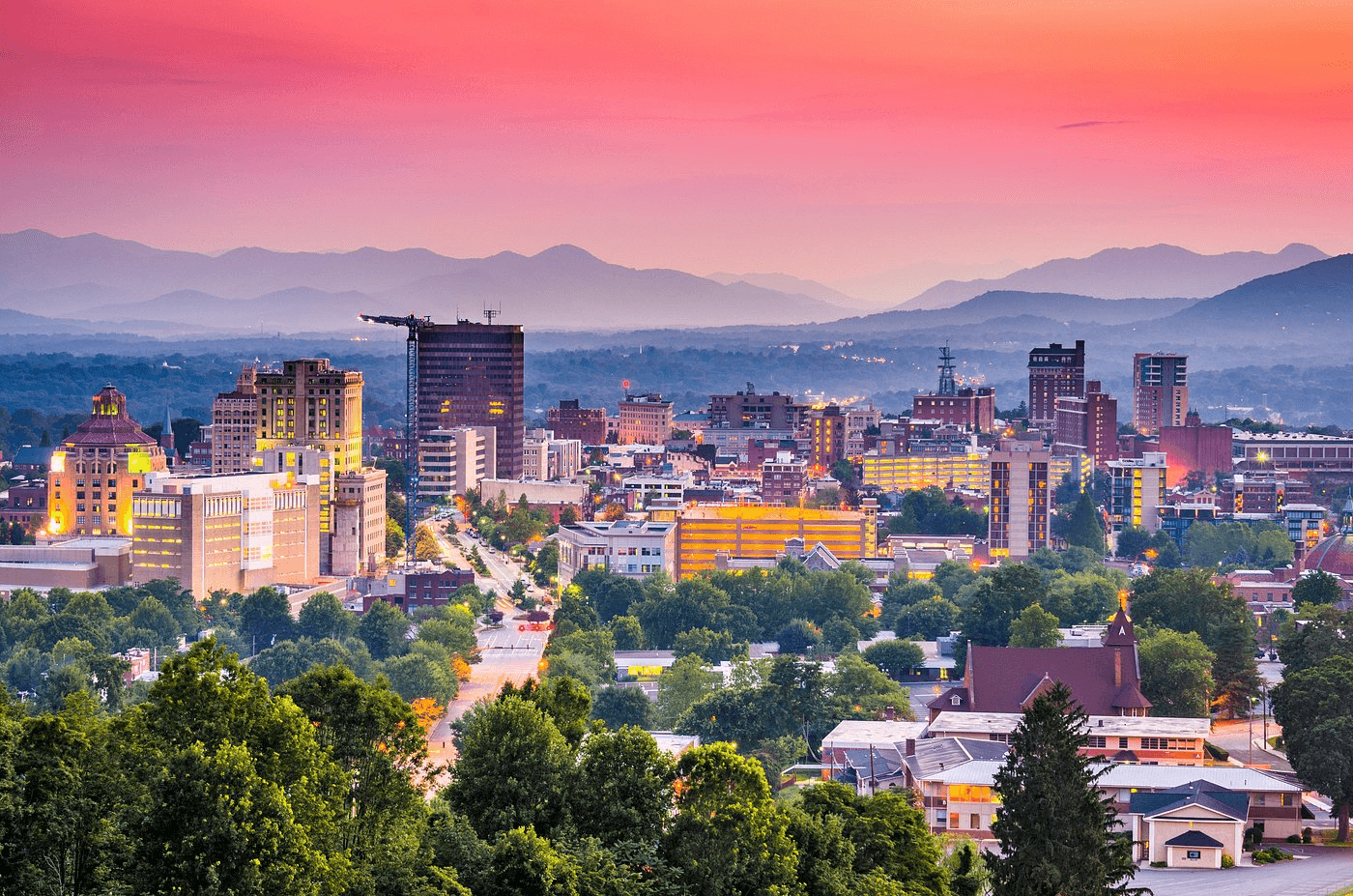
10 best research programs for high school students in North Carolina (2026) | RISE Research
10 best research programs for high school students in North Carolina (2026) | RISE Research
RISE Research
RISE Research
TL;DR: This list covers the 10 best research programs for high school students in North Carolina in 2026, including free in-person options at UNC, Duke, and NC State, as well as selective online programs like RISE Research. Programs range from fully funded summer labs to paid 1-on-1 mentorship with a published paper as the outcome. If RISE Research stands out to you, book a free Research Assessment before the Summer 2026 Priority Deadline closes.
Introduction
North Carolina is one of the strongest states in the US for high school research opportunities. The Research Triangle alone, anchored by Duke University, UNC-Chapel Hill, and NC State, gives students access to world-class faculty, active labs, and competitive summer programs that most states simply cannot match. The challenge is not finding options. The challenge is knowing which programs produce real outcomes and which ones look impressive on paper but deliver little more than a certificate.
This list covers the 10 best research programs for high school students in North Carolina in 2026. We have included free and paid options, in-person and online formats, and programs across STEM, social science, and the humanities. We ranked these programs by their outcomes: publication rates, admissions results, and what students actually produce, not by marketing claims.
How to Choose the Right Research Program for High School Students in North Carolina
Before you compare programs, use these five criteria to filter your options.
1. Does it produce a verifiable output? A strong program ends with something concrete: a published paper, a submitted manuscript, a poster presented at a conference, or a project with documented methodology. Ask which journals or venues accept student work from this program.
2. Who are the mentors? PhD students, postdocs, and faculty mentors are not equivalent. Find out whether your mentor will be a graduate student or a credentialed researcher with publications of their own.
3. Is it in-person or online, and does that work for you? In-person programs at Duke or UNC are excellent, but they are also highly competitive and geographically limited. Online programs are accessible from anywhere in North Carolina, including rural counties without a research university nearby.
4. What is the real cost? Some programs are free but require you to be on campus full-time for six to eight weeks. Others are paid but flexible. Factor in travel, housing, and time away from school when comparing costs.
5. What are the verified admissions outcomes? Ask for acceptance data, not just names of universities alumni attended. A program that can show you a 32% UPenn acceptance rate for its scholars is making a different kind of claim than one that says "our alumni attend top universities."
6. Is there a local in-person option, or is it fully online? Both formats are valid. In-person programs offer lab access and campus immersion. Online programs offer flexibility and access to mentors regardless of your location in North Carolina. Know which you are signing up for.
The 10 Best Research Programs for High School Students in North Carolina in 2026
1. Research Education Apprenticeship Program (REAP) at NC State
NC State University | In-person, Raleigh NC | Free | Applications typically open in spring
REAP places high school students from underrepresented backgrounds in NC State research labs alongside faculty mentors. Students work full-time in a lab setting over the summer and present their findings at a closing symposium. The program is free and covers most participation costs. Eligibility is competitive and prioritizes students from groups underrepresented in STEM. This is one of the strongest free, in-person options in the state for students who can commit to a full-time summer schedule in Raleigh.
Best for: North Carolina students from underrepresented backgrounds who want hands-on lab experience at a major research university.
2. RISE Research
RISE Global Education | Online, available to all NC students | Paid, selective | Summer 2026 Deadline approaching
RISE Research is a selective 1-on-1 mentorship program where high school students in Grades 9 through 12 conduct original, university-level research under PhD mentors from Ivy League and Oxbridge institutions. Students work 1 to 2 hours per week over 10 weeks and produce a research paper submitted for publication in one of 40+ academic journals. The publication rate is 90%, which is the highest verified figure on this list. RISE scholars have achieved an 18% acceptance rate to Stanford (versus 8.7% for the general applicant pool) and a 32% acceptance rate to UPenn (versus 3.8%). The 500+ mentor network spans STEM, social science, business, law, and the humanities, so students across North Carolina can find a mentor in their specific subject area. RISE is fully online, which means students in Charlotte, Asheville, the Research Triangle, and every rural county in between can participate without relocating. It is a paid program, and it is selective. The reader should know both. But for North Carolina students who want a published paper before their Common App deadline, no other program on this list matches the combination of mentor credentials, publication outcomes, and verified admissions results.
Best for: Motivated NC students in Grades 9 through 12 who want a published research paper and a measurable admissions advantage before applying to top universities.
3. Duke University Talent Identification Program (Duke TIP)
Duke University | In-person and online options | Paid, varies by program | Applications open in fall/winter
Duke TIP is one of the most established academic enrichment programs in the country and is headquartered in Durham, NC. The residential summer programs place high-achieving students in intensive academic courses, some of which include research components. Duke TIP is not a pure research program, but its academic rigor and Duke affiliation carry weight. Costs vary significantly by program and financial aid is available. Students should confirm whether their specific course includes an independent research output before enrolling.
Best for: High-achieving NC students who want an academically intensive summer program with the Duke brand and access to financial aid.
4. UNC Research Experiences for Undergraduates (REU) Adjacent Programs
UNC-Chapel Hill | In-person, Chapel Hill NC | Free to low cost | Summer 2026, check individual department pages
Several UNC-Chapel Hill departments, including the Gillings School of Global Public Health and the Department of Chemistry, run summer programs that occasionally accept advanced high school students alongside undergraduates. Availability changes year to year by department. Students and parents should contact UNC department offices directly to confirm 2026 openings. When a placement is available, the mentorship quality is exceptional. The limitation is that these opportunities are not centrally administered and require proactive outreach.
Best for: NC students near Chapel Hill who are willing to do direct outreach to UNC faculty and departments to secure a summer research placement.
5. North Carolina School of Science and Mathematics (NCSSM) Research Programs
NCSSM | In-person, Durham and Morganton NC | Free for enrolled students | Ongoing
NCSSM is a public residential high school for academically advanced students in North Carolina. Enrolled students have access to faculty-mentored research projects that culminate in papers and presentations at state and national science fairs. For students already attending NCSSM, this is one of the most rigorous research pipelines in the state. For students not enrolled, NCSSM also offers summer programs open to rising 10th through 12th graders across NC. Check the NCSSM website for 2026 summer program availability and application windows.
Best for: NCSSM-enrolled students and NC students who qualify for NCSSM summer programs and want in-person, faculty-mentored research with a science fair track.
6. Research Triangle Park (RTP) Foundation STEM Programs
RTP Foundation | In-person, Research Triangle NC | Free to low cost | Varies by partner
The RTP Foundation facilitates connections between high school students and companies and research institutions within the Research Triangle Park ecosystem. Program formats vary by partner organization and year. Some placements involve original research; others are closer to job shadowing. Students should verify the specific output and mentor credentials for any RTP-facilitated placement before committing. The geographic advantage is significant for students in Wake, Durham, and Orange counties.
Best for: Students in the Research Triangle area who want exposure to applied industry research and STEM career pathways.
7. NC Science Olympiad and NCSEF (NC State Employees' Credit Union Science Fair)
Various organizers | In-person, statewide | Free | Annual spring cycle
The North Carolina Science and Engineering Fair (NCSEF) is the state's primary science fair competition and feeds into the Intel International Science and Engineering Fair (ISEF). Students who conduct original research projects through their schools can compete at regional and state levels. Winning projects earn significant recognition and, in some cases, scholarship funds. This is not a standalone program but a competition framework. Students need a school sponsor or science teacher to participate. For NC students who have already completed a research project, NCSEF is the natural next step toward national recognition. See the RISE Awards page for context on how research awards factor into admissions profiles.
Best for: NC students who have completed an independent research project and want to compete for state and national recognition.
8. Wake Forest University Summer Research Programs
Wake Forest University | In-person, Winston-Salem NC | Paid, varies | Summer 2026
Wake Forest runs several pre-college summer programs, some of which include research components in biomedical science and related fields. The university's strong medical school and research infrastructure give students access to credentialed faculty mentors. Program costs and availability for 2026 should be confirmed directly on the Wake Forest pre-college website. Students in the Piedmont Triad region have a geographic advantage for in-person participation.
Best for: NC students interested in biomedical or health sciences who are within commuting distance of Winston-Salem.
9. American Junior Academy of Science (AJAS) via NC Academy of Science
NC Academy of Science | In-person and virtual | Low cost | Annual cycle
The NC Academy of Science nominates outstanding high school researchers to present at the American Junior Academy of Science, which meets alongside the American Association for the Advancement of Science (AAAS) annual meeting. This is a recognition and presentation pathway rather than a standalone research program. Students must first complete independent research and be nominated through their school or a regional science fair. The AAAS connection gives accepted students national visibility and the opportunity to interact with working scientists.
Best for: NC students who have completed strong independent research and want a national presentation and networking opportunity.
10. MIT OpenCourseWare and Online Research Foundations (Self-Directed)
MIT OpenCourseWare / Various platforms | Online | Free | Open enrollment
For NC students who are not yet ready to apply to a selective program, building research skills through MIT OpenCourseWare, Coursera university courses, or free academic writing workshops is a legitimate first step. This is not a structured mentorship program, but it is free, accessible from anywhere in North Carolina, and can help a student develop the foundational knowledge needed to apply competitively to programs like RISE Research or NCSSM. Students who complete even one rigorous online course in their intended research area arrive at selective programs better prepared. For more options across subject areas, see our guide to best research programs for US high school students.
Best for: NC students in Grades 9 or 10 who want to build research foundations before applying to selective programs.
Quick Comparison: North Carolina High School Research Programs at a Glance
Programme | Format | Cost | Output | Publication Rate |
|---|---|---|---|---|
REAP at NC State | In-person | Free | Symposium presentation | Not publicly disclosed |
RISE Research | Online | Paid, selective | Published research paper | 90% |
Duke TIP | In-person / Online | Paid (aid available) | Course completion, varies | Not publicly disclosed |
UNC REU-Adjacent | In-person | Free to low cost | Lab research, varies | Not publicly disclosed |
NCSSM Research | In-person | Free (enrolled) | Paper, science fair entry | Not publicly disclosed |
RTP Foundation | In-person | Free to low cost | Varies by partner | Not publicly disclosed |
NCSEF | In-person | Free | Competition entry | Not applicable |
Wake Forest Programs | In-person | Paid | Research project, varies | Not publicly disclosed |
AJAS via NC Academy | In-person / Virtual | Low cost | National presentation | Not applicable |
MIT OCW Self-Directed | Online | Free | Self-defined | Not applicable |
Which Research Program Is Right for High School Students in North Carolina?
The right program depends on your goal, your grade, and your location within North Carolina.
If you are in the Research Triangle and want an in-person lab experience, REAP at NC State and UNC department placements are the strongest free options. Both require competitive applications and a full-time summer commitment in Raleigh or Chapel Hill.
If you attend NCSSM or qualify for their summer programs, use the built-in research pipeline. It is one of the best publicly funded research tracks in any US state.
If your goal is a published paper before your Common App deadline, and you are anywhere in North Carolina, including areas far from a research university, RISE Research is the most direct path. It is fully online, runs on a 10-week schedule that fits around school, and produces a submitted manuscript in 40+ peer-reviewed journals. The admissions outcomes for RISE scholars are the most specific and verifiable on this list.
If you are in Grade 9 or 10 and not yet ready to apply to selective programs, start with MIT OpenCourseWare or a free online course to build your subject knowledge. Then apply to RISE or NCSSM summer programs in Grade 10 or 11. For a broader look at your options, the best summer research programs for high school students guide covers additional programs worth considering.
The RISE Summer 2026 cohort is open to students across North Carolina, from Charlotte to Asheville to the Outer Banks. If a published research paper before your college application is the goal, book a free 20-minute Research Assessment to see whether the timeline works for your grade and subject.
Frequently Asked Questions About Research Programs for High School Students in North Carolina
Are there free research programs for high school students in North Carolina?
Yes. REAP at NC State, NCSSM research programs for enrolled students, and NCSEF participation are all free. UNC department placements are also free when available. These programs are competitive and often require a full-time in-person commitment during the summer.
Free programs in North Carolina tend to be geographically concentrated in the Research Triangle. Students in western NC, the Piedmont, or rural areas may find online programs like RISE Research more accessible, even though they carry a program fee.
Do I need to be near a university to join a research program in North Carolina?
No. Online programs like RISE Research are available to students anywhere in North Carolina. In-person programs at Duke, UNC, and NC State require you to be on campus, which means travel or housing for students outside the Triangle.
North Carolina's geography means that students in cities like Wilmington, Fayetteville, or Boone are often better served by strong online programs than by in-person programs that require a multi-hour commute or temporary relocation.
How do online research programs compare to in-person programs for college applications?
Admissions officers evaluate research by its output, not its format. A published paper produced through an online mentorship program carries more weight than an in-person lab experience that produced no written output. Format matters less than what you can show and articulate in your application.
The strongest applications combine a clear research question, a credentialed mentor, and a verifiable outcome. RISE Research's 90% publication rate and documented admissions outcomes reflect this. See the guide to hybrid and online research programs for a fuller comparison.
What research programs look best on a North Carolina student's college application?
Programs that produce a published paper, a national award, or a presentation at a recognized conference carry the most weight. NCSSM research with a strong NCSEF result, REAP at NC State, and RISE Research with a published paper are the three strongest options on this list for admissions impact.
The key is specificity. A student who can say "I published original research on X in journal Y under a PhD mentor from Z" is making a stronger claim than a student who says "I participated in a summer science program." Admissions officers at selective universities read thousands of applications. Concrete, verifiable outcomes stand out.
Conclusion
North Carolina students have access to some of the best research opportunities available to any high school student in the US. The Research Triangle's university infrastructure, NCSSM's public research pipeline, and the availability of strong online programs make this a genuinely strong state for building an academic research profile before college. The standout options on this list are REAP at NC State for students who want a free, in-person lab experience in Raleigh; NCSSM programs for students already in or eligible for that ecosystem; and RISE Research for students anywhere in North Carolina who want a published paper and documented admissions outcomes before they submit their applications. For more context on how research programs compare across the US, see the best research programs for high school students overview.
The Summer 2026 Priority Deadline is approaching. If RISE Research sounds like the right fit for your goals, schedule a free Research Assessment and we will tell you exactly what is achievable before your application deadlines.
TL;DR: This list covers the 10 best research programs for high school students in North Carolina in 2026, including free in-person options at UNC, Duke, and NC State, as well as selective online programs like RISE Research. Programs range from fully funded summer labs to paid 1-on-1 mentorship with a published paper as the outcome. If RISE Research stands out to you, book a free Research Assessment before the Summer 2026 Priority Deadline closes.
Introduction
North Carolina is one of the strongest states in the US for high school research opportunities. The Research Triangle alone, anchored by Duke University, UNC-Chapel Hill, and NC State, gives students access to world-class faculty, active labs, and competitive summer programs that most states simply cannot match. The challenge is not finding options. The challenge is knowing which programs produce real outcomes and which ones look impressive on paper but deliver little more than a certificate.
This list covers the 10 best research programs for high school students in North Carolina in 2026. We have included free and paid options, in-person and online formats, and programs across STEM, social science, and the humanities. We ranked these programs by their outcomes: publication rates, admissions results, and what students actually produce, not by marketing claims.
How to Choose the Right Research Program for High School Students in North Carolina
Before you compare programs, use these five criteria to filter your options.
1. Does it produce a verifiable output? A strong program ends with something concrete: a published paper, a submitted manuscript, a poster presented at a conference, or a project with documented methodology. Ask which journals or venues accept student work from this program.
2. Who are the mentors? PhD students, postdocs, and faculty mentors are not equivalent. Find out whether your mentor will be a graduate student or a credentialed researcher with publications of their own.
3. Is it in-person or online, and does that work for you? In-person programs at Duke or UNC are excellent, but they are also highly competitive and geographically limited. Online programs are accessible from anywhere in North Carolina, including rural counties without a research university nearby.
4. What is the real cost? Some programs are free but require you to be on campus full-time for six to eight weeks. Others are paid but flexible. Factor in travel, housing, and time away from school when comparing costs.
5. What are the verified admissions outcomes? Ask for acceptance data, not just names of universities alumni attended. A program that can show you a 32% UPenn acceptance rate for its scholars is making a different kind of claim than one that says "our alumni attend top universities."
6. Is there a local in-person option, or is it fully online? Both formats are valid. In-person programs offer lab access and campus immersion. Online programs offer flexibility and access to mentors regardless of your location in North Carolina. Know which you are signing up for.
The 10 Best Research Programs for High School Students in North Carolina in 2026
1. Research Education Apprenticeship Program (REAP) at NC State
NC State University | In-person, Raleigh NC | Free | Applications typically open in spring
REAP places high school students from underrepresented backgrounds in NC State research labs alongside faculty mentors. Students work full-time in a lab setting over the summer and present their findings at a closing symposium. The program is free and covers most participation costs. Eligibility is competitive and prioritizes students from groups underrepresented in STEM. This is one of the strongest free, in-person options in the state for students who can commit to a full-time summer schedule in Raleigh.
Best for: North Carolina students from underrepresented backgrounds who want hands-on lab experience at a major research university.
2. RISE Research
RISE Global Education | Online, available to all NC students | Paid, selective | Summer 2026 Deadline approaching
RISE Research is a selective 1-on-1 mentorship program where high school students in Grades 9 through 12 conduct original, university-level research under PhD mentors from Ivy League and Oxbridge institutions. Students work 1 to 2 hours per week over 10 weeks and produce a research paper submitted for publication in one of 40+ academic journals. The publication rate is 90%, which is the highest verified figure on this list. RISE scholars have achieved an 18% acceptance rate to Stanford (versus 8.7% for the general applicant pool) and a 32% acceptance rate to UPenn (versus 3.8%). The 500+ mentor network spans STEM, social science, business, law, and the humanities, so students across North Carolina can find a mentor in their specific subject area. RISE is fully online, which means students in Charlotte, Asheville, the Research Triangle, and every rural county in between can participate without relocating. It is a paid program, and it is selective. The reader should know both. But for North Carolina students who want a published paper before their Common App deadline, no other program on this list matches the combination of mentor credentials, publication outcomes, and verified admissions results.
Best for: Motivated NC students in Grades 9 through 12 who want a published research paper and a measurable admissions advantage before applying to top universities.
3. Duke University Talent Identification Program (Duke TIP)
Duke University | In-person and online options | Paid, varies by program | Applications open in fall/winter
Duke TIP is one of the most established academic enrichment programs in the country and is headquartered in Durham, NC. The residential summer programs place high-achieving students in intensive academic courses, some of which include research components. Duke TIP is not a pure research program, but its academic rigor and Duke affiliation carry weight. Costs vary significantly by program and financial aid is available. Students should confirm whether their specific course includes an independent research output before enrolling.
Best for: High-achieving NC students who want an academically intensive summer program with the Duke brand and access to financial aid.
4. UNC Research Experiences for Undergraduates (REU) Adjacent Programs
UNC-Chapel Hill | In-person, Chapel Hill NC | Free to low cost | Summer 2026, check individual department pages
Several UNC-Chapel Hill departments, including the Gillings School of Global Public Health and the Department of Chemistry, run summer programs that occasionally accept advanced high school students alongside undergraduates. Availability changes year to year by department. Students and parents should contact UNC department offices directly to confirm 2026 openings. When a placement is available, the mentorship quality is exceptional. The limitation is that these opportunities are not centrally administered and require proactive outreach.
Best for: NC students near Chapel Hill who are willing to do direct outreach to UNC faculty and departments to secure a summer research placement.
5. North Carolina School of Science and Mathematics (NCSSM) Research Programs
NCSSM | In-person, Durham and Morganton NC | Free for enrolled students | Ongoing
NCSSM is a public residential high school for academically advanced students in North Carolina. Enrolled students have access to faculty-mentored research projects that culminate in papers and presentations at state and national science fairs. For students already attending NCSSM, this is one of the most rigorous research pipelines in the state. For students not enrolled, NCSSM also offers summer programs open to rising 10th through 12th graders across NC. Check the NCSSM website for 2026 summer program availability and application windows.
Best for: NCSSM-enrolled students and NC students who qualify for NCSSM summer programs and want in-person, faculty-mentored research with a science fair track.
6. Research Triangle Park (RTP) Foundation STEM Programs
RTP Foundation | In-person, Research Triangle NC | Free to low cost | Varies by partner
The RTP Foundation facilitates connections between high school students and companies and research institutions within the Research Triangle Park ecosystem. Program formats vary by partner organization and year. Some placements involve original research; others are closer to job shadowing. Students should verify the specific output and mentor credentials for any RTP-facilitated placement before committing. The geographic advantage is significant for students in Wake, Durham, and Orange counties.
Best for: Students in the Research Triangle area who want exposure to applied industry research and STEM career pathways.
7. NC Science Olympiad and NCSEF (NC State Employees' Credit Union Science Fair)
Various organizers | In-person, statewide | Free | Annual spring cycle
The North Carolina Science and Engineering Fair (NCSEF) is the state's primary science fair competition and feeds into the Intel International Science and Engineering Fair (ISEF). Students who conduct original research projects through their schools can compete at regional and state levels. Winning projects earn significant recognition and, in some cases, scholarship funds. This is not a standalone program but a competition framework. Students need a school sponsor or science teacher to participate. For NC students who have already completed a research project, NCSEF is the natural next step toward national recognition. See the RISE Awards page for context on how research awards factor into admissions profiles.
Best for: NC students who have completed an independent research project and want to compete for state and national recognition.
8. Wake Forest University Summer Research Programs
Wake Forest University | In-person, Winston-Salem NC | Paid, varies | Summer 2026
Wake Forest runs several pre-college summer programs, some of which include research components in biomedical science and related fields. The university's strong medical school and research infrastructure give students access to credentialed faculty mentors. Program costs and availability for 2026 should be confirmed directly on the Wake Forest pre-college website. Students in the Piedmont Triad region have a geographic advantage for in-person participation.
Best for: NC students interested in biomedical or health sciences who are within commuting distance of Winston-Salem.
9. American Junior Academy of Science (AJAS) via NC Academy of Science
NC Academy of Science | In-person and virtual | Low cost | Annual cycle
The NC Academy of Science nominates outstanding high school researchers to present at the American Junior Academy of Science, which meets alongside the American Association for the Advancement of Science (AAAS) annual meeting. This is a recognition and presentation pathway rather than a standalone research program. Students must first complete independent research and be nominated through their school or a regional science fair. The AAAS connection gives accepted students national visibility and the opportunity to interact with working scientists.
Best for: NC students who have completed strong independent research and want a national presentation and networking opportunity.
10. MIT OpenCourseWare and Online Research Foundations (Self-Directed)
MIT OpenCourseWare / Various platforms | Online | Free | Open enrollment
For NC students who are not yet ready to apply to a selective program, building research skills through MIT OpenCourseWare, Coursera university courses, or free academic writing workshops is a legitimate first step. This is not a structured mentorship program, but it is free, accessible from anywhere in North Carolina, and can help a student develop the foundational knowledge needed to apply competitively to programs like RISE Research or NCSSM. Students who complete even one rigorous online course in their intended research area arrive at selective programs better prepared. For more options across subject areas, see our guide to best research programs for US high school students.
Best for: NC students in Grades 9 or 10 who want to build research foundations before applying to selective programs.
Quick Comparison: North Carolina High School Research Programs at a Glance
Programme | Format | Cost | Output | Publication Rate |
|---|---|---|---|---|
REAP at NC State | In-person | Free | Symposium presentation | Not publicly disclosed |
RISE Research | Online | Paid, selective | Published research paper | 90% |
Duke TIP | In-person / Online | Paid (aid available) | Course completion, varies | Not publicly disclosed |
UNC REU-Adjacent | In-person | Free to low cost | Lab research, varies | Not publicly disclosed |
NCSSM Research | In-person | Free (enrolled) | Paper, science fair entry | Not publicly disclosed |
RTP Foundation | In-person | Free to low cost | Varies by partner | Not publicly disclosed |
NCSEF | In-person | Free | Competition entry | Not applicable |
Wake Forest Programs | In-person | Paid | Research project, varies | Not publicly disclosed |
AJAS via NC Academy | In-person / Virtual | Low cost | National presentation | Not applicable |
MIT OCW Self-Directed | Online | Free | Self-defined | Not applicable |
Which Research Program Is Right for High School Students in North Carolina?
The right program depends on your goal, your grade, and your location within North Carolina.
If you are in the Research Triangle and want an in-person lab experience, REAP at NC State and UNC department placements are the strongest free options. Both require competitive applications and a full-time summer commitment in Raleigh or Chapel Hill.
If you attend NCSSM or qualify for their summer programs, use the built-in research pipeline. It is one of the best publicly funded research tracks in any US state.
If your goal is a published paper before your Common App deadline, and you are anywhere in North Carolina, including areas far from a research university, RISE Research is the most direct path. It is fully online, runs on a 10-week schedule that fits around school, and produces a submitted manuscript in 40+ peer-reviewed journals. The admissions outcomes for RISE scholars are the most specific and verifiable on this list.
If you are in Grade 9 or 10 and not yet ready to apply to selective programs, start with MIT OpenCourseWare or a free online course to build your subject knowledge. Then apply to RISE or NCSSM summer programs in Grade 10 or 11. For a broader look at your options, the best summer research programs for high school students guide covers additional programs worth considering.
The RISE Summer 2026 cohort is open to students across North Carolina, from Charlotte to Asheville to the Outer Banks. If a published research paper before your college application is the goal, book a free 20-minute Research Assessment to see whether the timeline works for your grade and subject.
Frequently Asked Questions About Research Programs for High School Students in North Carolina
Are there free research programs for high school students in North Carolina?
Yes. REAP at NC State, NCSSM research programs for enrolled students, and NCSEF participation are all free. UNC department placements are also free when available. These programs are competitive and often require a full-time in-person commitment during the summer.
Free programs in North Carolina tend to be geographically concentrated in the Research Triangle. Students in western NC, the Piedmont, or rural areas may find online programs like RISE Research more accessible, even though they carry a program fee.
Do I need to be near a university to join a research program in North Carolina?
No. Online programs like RISE Research are available to students anywhere in North Carolina. In-person programs at Duke, UNC, and NC State require you to be on campus, which means travel or housing for students outside the Triangle.
North Carolina's geography means that students in cities like Wilmington, Fayetteville, or Boone are often better served by strong online programs than by in-person programs that require a multi-hour commute or temporary relocation.
How do online research programs compare to in-person programs for college applications?
Admissions officers evaluate research by its output, not its format. A published paper produced through an online mentorship program carries more weight than an in-person lab experience that produced no written output. Format matters less than what you can show and articulate in your application.
The strongest applications combine a clear research question, a credentialed mentor, and a verifiable outcome. RISE Research's 90% publication rate and documented admissions outcomes reflect this. See the guide to hybrid and online research programs for a fuller comparison.
What research programs look best on a North Carolina student's college application?
Programs that produce a published paper, a national award, or a presentation at a recognized conference carry the most weight. NCSSM research with a strong NCSEF result, REAP at NC State, and RISE Research with a published paper are the three strongest options on this list for admissions impact.
The key is specificity. A student who can say "I published original research on X in journal Y under a PhD mentor from Z" is making a stronger claim than a student who says "I participated in a summer science program." Admissions officers at selective universities read thousands of applications. Concrete, verifiable outcomes stand out.
Conclusion
North Carolina students have access to some of the best research opportunities available to any high school student in the US. The Research Triangle's university infrastructure, NCSSM's public research pipeline, and the availability of strong online programs make this a genuinely strong state for building an academic research profile before college. The standout options on this list are REAP at NC State for students who want a free, in-person lab experience in Raleigh; NCSSM programs for students already in or eligible for that ecosystem; and RISE Research for students anywhere in North Carolina who want a published paper and documented admissions outcomes before they submit their applications. For more context on how research programs compare across the US, see the best research programs for high school students overview.
The Summer 2026 Priority Deadline is approaching. If RISE Research sounds like the right fit for your goals, schedule a free Research Assessment and we will tell you exactly what is achievable before your application deadlines.
Winter 2026 Early Admission Deadline Closing on 18th October
Book a free 20-min strategy call
Book a free 20-min strategy call
Read More