Online internships sound ideal. Flexible schedules, remote access, and early exposure to professional work. For high school students, they can feel like an easy way to gain experience without needing local connections.
But the online internship space is crowded and uneven. Some programs offer real learning and responsibility. Others are little more than unpaid busywork with a certificate at the end. Knowing how to tell the difference matters.
Why Online Internships Have Grown So Quickly
Remote work has changed how organizations operate.
Many companies, labs, nonprofits, and startups now rely on distributed teams. This shift has created genuine opportunities for students to contribute remotely, especially in research, data analysis, content, policy, and technical roles.
At the same time, it has made it easier for low-quality programs to market themselves.
What a Legitimate Online Internship Actually Looks Like
Real internships share a few core features.
Students are given defined responsibilities, not just tasks. There is a supervisor who provides feedback. The work connects to a larger project or goal rather than isolated assignments.
Most importantly, students understand why their work matters.
Red Flags to Watch Out For
Not every online internship is worth a student’s time.
Programs that promise guaranteed certificates, minimal effort, or impressive titles without real work should raise questions. If there is no clear description of mentorship, expectations, or outcomes, the experience is likely superficial.
Legitimate programs explain what students will do, not just what they will receive.
The Role of Mentorship and Oversight
Guidance is what separates internships from online volunteering.
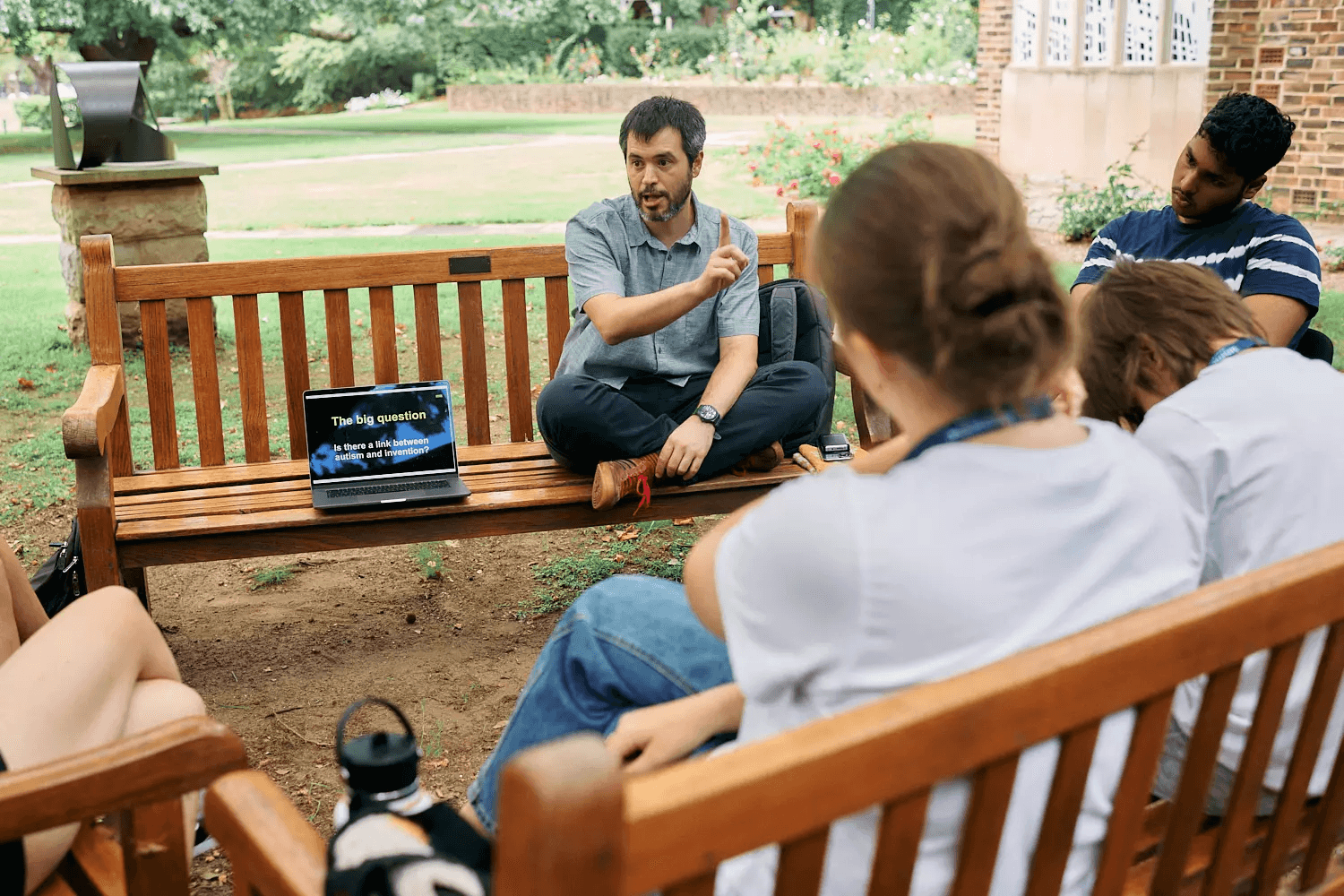
In strong programs, students interact regularly with a mentor or manager. They receive direction, ask questions, and revise their work based on feedback.
Without this loop, students may stay busy but learn very little.
Research-Focused vs Task-Based Internships
Many high school internships fall into two categories.
Task-based internships involve assisting with content, outreach, or operations. These can be valuable if students understand the organization and see how their work fits in.
Research-focused internships involve analysis, inquiry, and synthesis. These tend to build deeper skills but require stronger preparation.
Both can be legitimate when designed well.
How Colleges View Online Internships
Admissions officers do not discount experiences simply because they are online.
What matters is substance. Colleges look for evidence of learning, responsibility, and reflection. A remote internship with clear outcomes can be more meaningful than an in-person role with little engagement.
Students should be able to explain what they worked on and what they learned.
Questions Students Should Ask Before Applying
Before committing, students should ask:
Who supervises the work?
What does a typical week look like?
Will there be feedback or evaluation?
What skills will I actually use or develop?
Clear answers usually signal a legitimate opportunity.
When Online Internships Make Sense
Online internships work best for students who are self-directed and curious.
They are especially useful for students without access to local opportunities, or those interested in fields where remote work is common. When chosen carefully, they can provide real exposure and confidence.
Final Thoughts
Online internships are not inherently good or bad.
Their value depends entirely on structure, mentorship, and purpose. Students who focus on learning rather than titles tend to benefit the most.
A legitimate internship leaves a student with clearer skills, stronger direction, and a better understanding of how work actually happens.
If you are a high school student pushing yourself to stand out in college applications, RISE Research offers a unique opportunity to work one-on-one with mentors from top universities around the world.
Through personalized guidance and independent research projects that can lead to prestigious publications, RISE helps you build a standout academic profile and develop skills that set you apart. With flexible program dates and global accessibility, ambitious students can apply year-round. To learn more about eligibility, costs, and how to get started, visit RISE Research’s official website and take your college preparation to the next level!
Read More