>
>
>
Neuroscience journals that publish high school research
Neuroscience journals that publish high school research
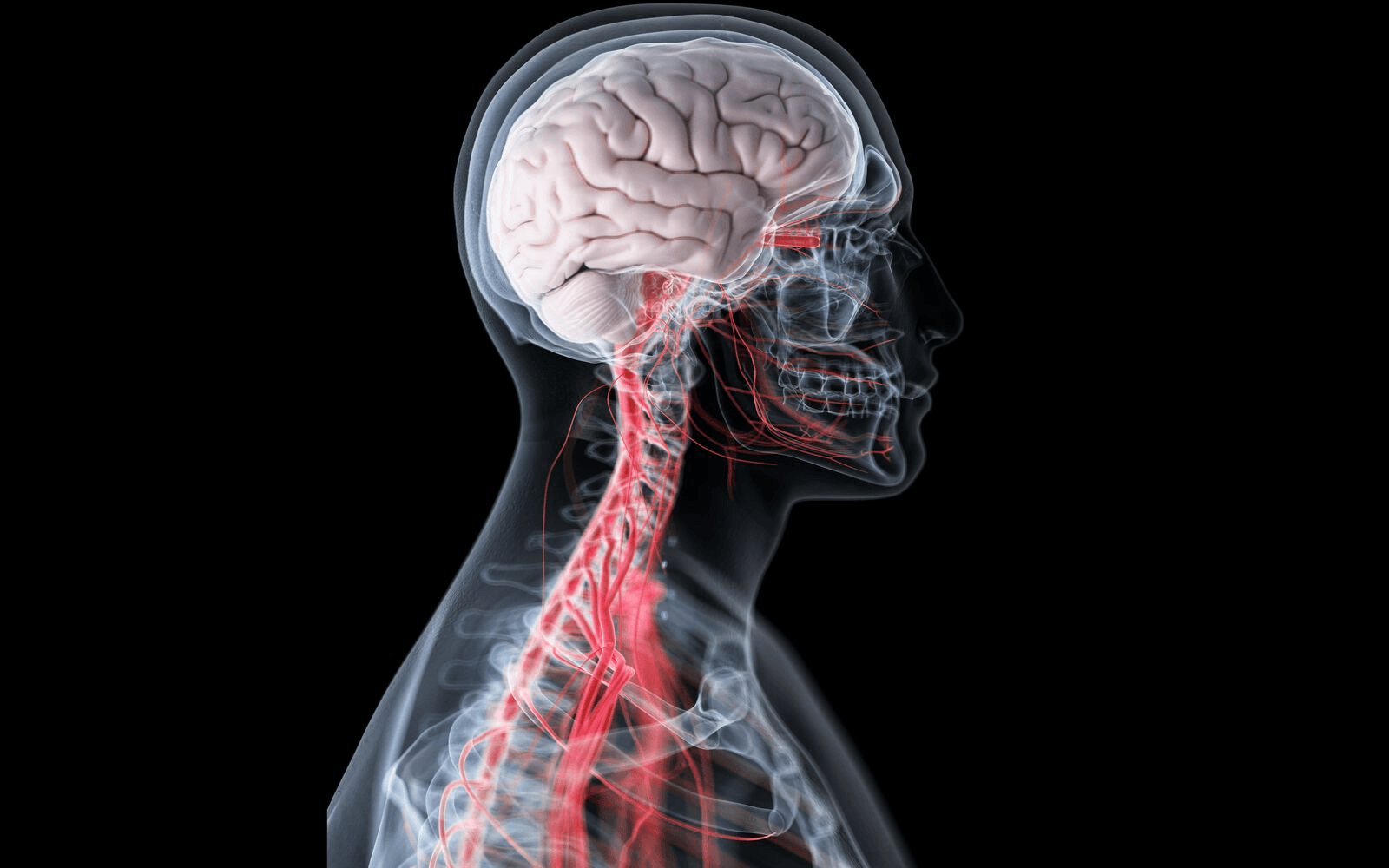
Neuroscience journals that publish high school research | RISE Research
Neuroscience journals that publish high school research | RISE Research
RISE Research
RISE Research
TL;DR: Several peer-reviewed journals publish neuroscience research by high school students, but they differ significantly in scope, selectivity, review timelines, and how admissions officers read them. The most widely used include the Journal of Emerging Investigators, Cureus, and the American Journal of Undergraduate Research. Choosing the right journal before you write your paper, not after, is the single most important decision in the publication process. If you need expert guidance on neuroscience journal selection, book a free Research Assessment with RISE.
Introduction: The Journal Question Most Students Ask Too Late
Most students searching for neuroscience journals that publish high school research are already holding a finished or near-finished paper. That is the first problem. Journal selection is a strategic decision that shapes how you frame your research question, how you structure your methodology, and what word count you target. Choosing the wrong journal at the end of the process means rewriting work that was never designed for that venue.
The second problem is that neuroscience sits at the intersection of biology, psychology, and medicine. That interdisciplinary nature means your research could legitimately fit several different journals, and the right choice depends on your methodology, your findings, and your goals for the application cycle. This post identifies the most relevant journals, explains what each one actually publishes, and tells you what to consider before you submit. For a broader starting point, see our guide to journals that publish high school research across disciplines.
Which neuroscience journals publish high school research?
Answer Capsule: The journals most accessible to high school neuroscience researchers include the Journal of Emerging Investigators (JEI), Cureus, the American Journal of Undergraduate Research (AJUR), and the Journal of Student Research (JSR). Each accepts student-led work, but they differ in peer-review rigor, indexing, subject scope, and cost. Matching your research to the right journal increases both your acceptance chances and your application impact.
The Journal of Emerging Investigators is one of the few peer-reviewed journals explicitly designed for middle and high school researchers. It is published by Harvard graduate students and focuses on original biological and biomedical science, which makes it directly relevant to neuroscience projects involving experimental design, data collection, and hypothesis testing. JEI does not charge submission or publication fees. Review timelines typically run eight to twelve weeks. The journal is not indexed in PubMed or Scopus, but its Harvard affiliation and peer-review process give it credibility that admissions readers recognise.
The Cureus Journal of Medical Science is a peer-reviewed, open-access journal indexed in PubMed Central. It accepts case reports, review articles, and original research across medicine and neuroscience. High school students are not explicitly excluded, but submissions require a clear clinical or scientific contribution and are expected to meet university-level standards. Cureus charges an article processing fee unless authors qualify for a waiver. PubMed Central indexing is a meaningful differentiator for neuroscience-specific research, particularly if your work involves clinical observations or systematic review methodology.
The American Journal of Undergraduate Research accepts submissions from undergraduate and advanced secondary students. It covers STEM broadly, including neuroscience and cognitive science. AJUR is peer-reviewed and free to submit. Review timelines vary but generally fall within three to five months. It is not indexed in major databases, but it is a legitimate, faculty-reviewed publication with a long publication history.
The Journal of Student Research explicitly welcomes high school submissions and covers a wide range of disciplines including neuroscience, psychology, and biology. It is peer-reviewed and free to publish. JSR is indexed in Google Scholar. Turnaround times are typically faster than more selective journals, often eight to twelve weeks. The breadth of the journal means neuroscience papers compete across a large submission pool, but the explicit high school eligibility makes it a practical target for first-time researchers. For a broader look at options across STEM fields, our guide to best STEM journals for high school research papers covers additional venues.
What Students Need to Know Before Submitting Neuroscience Research
Neuroscience journals that publish high school research: matching your methodology to the right venue
Neuroscience is not a single methodology. A high school student studying the effect of sleep deprivation on working memory is conducting a different kind of research than a student writing a systematic literature review on neuroplasticity, or a student analysing publicly available fMRI datasets. Each of those projects suits a different journal, and submitting the wrong type of paper to the wrong venue is the most common reason for rejection at the desk-review stage, before peer review even begins.
JEI is best suited to original experimental research. If you ran a study with participants, collected measurable data, and can report results with statistical analysis, JEI is a strong target. The journal's editorial guidelines specify that submissions must include original data, not literature reviews or opinion pieces. That is a hard constraint that many students discover only after writing the wrong type of paper for this venue.
Cureus accepts review articles and case reports in addition to original research, which makes it a viable option if your neuroscience project is a structured literature synthesis or a documented clinical observation. The PubMed Central indexing matters here: if your goal is to produce a publication that other researchers can cite and find through medical databases, Cureus offers that infrastructure. The trade-off is cost and the expectation of near-university-level writing quality.
JSR and AJUR are more flexible on methodology, which makes them better entry points for students whose projects involve computational analysis, secondary data, or interdisciplinary approaches that blend neuroscience with psychology or economics. If your research sits at the boundary of neuroscience and social science, our guide to social science journals that accept high school research may also be relevant.
One practical point on timing: if you are working toward an application deadline, publication timeline matters as much as journal prestige. Some journals take five to seven months from submission to decision. Others complete peer review in eight weeks. Knowing this before you submit, not after, determines whether your publication appears in your application or only in a post-submission update. For a direct comparison of timelines, see our post on journals that publish high school research fastest.
How do neuroscience journal publications affect your college application?
Answer Capsule: A peer-reviewed neuroscience publication signals sustained intellectual engagement, research methodology competence, and the ability to contribute original knowledge. Admissions officers at selective universities read publications in the context of the whole application. A publication in a genuinely peer-reviewed journal, even a student-facing one, carries more weight than a certificate or competition placement because it represents external validation of original work.
On the Common App, a publication appears in the Activities section or the Additional Information section. How you frame it matters. Listing a journal name without context tells an admissions reader very little. Explaining the research question, the methodology, and the peer-review outcome tells them a great deal about how you think.
RISE scholars have a 90% publication success rate across 40+ journals, and the programme's scholars are accepted to Top 10 universities at three times the standard rate. The RISE admissions outcomes include an 18% Stanford acceptance rate for RISE scholars, compared to the standard 8.7%, and a 32% UPenn acceptance rate compared to the standard 3.8%. These outcomes reflect a combination of research quality, publication credibility, and the ability to articulate research clearly in application materials. A publication in a well-matched, peer-reviewed journal is one component of that profile, but it works best when the research question is original and the methodology is sound. For a detailed look at how journal prestige factors into this, see our guide to the most prestigious journals for high school researchers.
Where students working alone get stuck with neuroscience journal selection
Three specific points in the neuroscience publication process consistently trip up students who are navigating it without expert guidance.
The first is scope definition. Neuroscience papers submitted by high school students are frequently rejected because the scope is too broad for the data available. A study on "the neuroscience of stress" is not a publishable paper. A study on the effect of a specific stressor on self-reported cognitive performance in a defined age group, measured with validated instruments, is. Students working alone often cannot see that distinction until after a rejection. A mentor who has published in neuroscience or adjacent fields recognises this problem during the research design phase, not after submission.
The second sticking point is the literature review. Peer reviewers in neuroscience expect submissions to situate findings within current research. That requires access to recent journal articles, familiarity with citation conventions in the field, and the ability to identify what your study adds that existing studies do not cover. Students without university library access and without field-specific reading experience consistently produce literature reviews that reviewers flag as insufficient. A PhD mentor brings both the access and the judgment to identify which prior work is essential to cite.
The third point is responding to reviewer feedback. Most first submissions receive revise-and-resubmit decisions rather than outright acceptance. The revision letter from peer reviewers is technical, specific, and often requires changes to methodology framing, statistical reporting, or discussion of limitations. Students who have never navigated this process frequently either over-respond by rewriting sections that did not need changing, or under-respond by missing the substantive concern behind a reviewer's comment. A mentor who has been through this process in their own publishing career can read a reviewer letter and identify exactly what needs to change and why.
This is the guidance RISE mentors provide at every stage of the publication process. You can explore the full scope of mentor expertise at RISE Research mentors and review published student work at RISE publications.
If you want expert guidance on neuroscience journal selection and the full publication process, book a free Research Assessment to find out whether RISE's Summer cohort is the right fit for your goals.
Frequently asked questions about neuroscience journals that publish high school research
Which neuroscience journal has the highest acceptance rate for high school students?
The Journal of Student Research and the Journal of Emerging Investigators are generally more accessible to high school researchers than indexed medical journals. Neither publishes official acceptance rate figures, but both explicitly welcome secondary school submissions and have a track record of publishing student-led neuroscience work. More selective venues like Cureus require university-level rigor and are more competitive for high school authors without mentorship.
Do I need to choose a neuroscience journal before I write my paper?
Yes. Journal selection should happen before you finalise your research design, not after. Different journals have different word limits, methodology requirements, and formatting standards. JEI requires original experimental data. Cureus accepts review articles. Submitting the wrong paper type to the wrong journal results in desk rejection. Choosing your target journal early allows you to write toward its specific requirements from the start.
Can I submit my neuroscience paper to more than one journal at once?
No. Simultaneous submission, sending the same paper to multiple journals at the same time, is considered a serious ethical violation in academic publishing. You must submit to one journal, wait for a decision, and only then submit elsewhere if the paper is rejected. This is one reason why understanding journal timelines before you submit is essential, particularly if you are working toward an application deadline.
Does it matter if the neuroscience journal charges a publication fee?
It depends on the journal. Legitimate open-access journals like Cureus charge article processing fees as part of a transparent publishing model and are indexed in major databases. Fee-charging journals that are not indexed, not peer-reviewed, or not affiliated with a credible institution are a different category entirely. Before paying any fee, confirm the journal's indexing status, editorial board, and peer-review process. For a full breakdown of free options, see our guide to free journals that publish high school research.
How long does it take to hear back from a neuroscience journal?
Review timelines vary significantly. JEI typically takes eight to twelve weeks from submission to decision. Cureus often moves faster due to its open peer-review model, sometimes within four to six weeks. AJUR and JSR timelines range from eight to twenty weeks depending on submission volume and reviewer availability. Always check the journal's current stated timeline on its official website before submitting, as timelines shift between cohorts and publication cycles.
Conclusion
Choosing the right neuroscience journal is not a formality at the end of the research process. It is a strategic decision that affects how you design your study, how you write your paper, and how your publication reads on a university application. The journals most accessible to high school neuroscience researchers, JEI, Cureus, AJUR, and JSR, each serve a different type of research and a different application goal. Matching your methodology to the right venue, understanding review timelines, and preparing for the revision process are three areas where students working alone consistently struggle.
If you want help navigating neuroscience journal selection with a PhD mentor who has navigated this process professionally, schedule a free Research Assessment and we will match you with the right mentor for your subject and publication goals. Summer cohort spots are limited.
TL;DR: Several peer-reviewed journals publish neuroscience research by high school students, but they differ significantly in scope, selectivity, review timelines, and how admissions officers read them. The most widely used include the Journal of Emerging Investigators, Cureus, and the American Journal of Undergraduate Research. Choosing the right journal before you write your paper, not after, is the single most important decision in the publication process. If you need expert guidance on neuroscience journal selection, book a free Research Assessment with RISE.
Introduction: The Journal Question Most Students Ask Too Late
Most students searching for neuroscience journals that publish high school research are already holding a finished or near-finished paper. That is the first problem. Journal selection is a strategic decision that shapes how you frame your research question, how you structure your methodology, and what word count you target. Choosing the wrong journal at the end of the process means rewriting work that was never designed for that venue.
The second problem is that neuroscience sits at the intersection of biology, psychology, and medicine. That interdisciplinary nature means your research could legitimately fit several different journals, and the right choice depends on your methodology, your findings, and your goals for the application cycle. This post identifies the most relevant journals, explains what each one actually publishes, and tells you what to consider before you submit. For a broader starting point, see our guide to journals that publish high school research across disciplines.
Which neuroscience journals publish high school research?
Answer Capsule: The journals most accessible to high school neuroscience researchers include the Journal of Emerging Investigators (JEI), Cureus, the American Journal of Undergraduate Research (AJUR), and the Journal of Student Research (JSR). Each accepts student-led work, but they differ in peer-review rigor, indexing, subject scope, and cost. Matching your research to the right journal increases both your acceptance chances and your application impact.
The Journal of Emerging Investigators is one of the few peer-reviewed journals explicitly designed for middle and high school researchers. It is published by Harvard graduate students and focuses on original biological and biomedical science, which makes it directly relevant to neuroscience projects involving experimental design, data collection, and hypothesis testing. JEI does not charge submission or publication fees. Review timelines typically run eight to twelve weeks. The journal is not indexed in PubMed or Scopus, but its Harvard affiliation and peer-review process give it credibility that admissions readers recognise.
The Cureus Journal of Medical Science is a peer-reviewed, open-access journal indexed in PubMed Central. It accepts case reports, review articles, and original research across medicine and neuroscience. High school students are not explicitly excluded, but submissions require a clear clinical or scientific contribution and are expected to meet university-level standards. Cureus charges an article processing fee unless authors qualify for a waiver. PubMed Central indexing is a meaningful differentiator for neuroscience-specific research, particularly if your work involves clinical observations or systematic review methodology.
The American Journal of Undergraduate Research accepts submissions from undergraduate and advanced secondary students. It covers STEM broadly, including neuroscience and cognitive science. AJUR is peer-reviewed and free to submit. Review timelines vary but generally fall within three to five months. It is not indexed in major databases, but it is a legitimate, faculty-reviewed publication with a long publication history.
The Journal of Student Research explicitly welcomes high school submissions and covers a wide range of disciplines including neuroscience, psychology, and biology. It is peer-reviewed and free to publish. JSR is indexed in Google Scholar. Turnaround times are typically faster than more selective journals, often eight to twelve weeks. The breadth of the journal means neuroscience papers compete across a large submission pool, but the explicit high school eligibility makes it a practical target for first-time researchers. For a broader look at options across STEM fields, our guide to best STEM journals for high school research papers covers additional venues.
What Students Need to Know Before Submitting Neuroscience Research
Neuroscience journals that publish high school research: matching your methodology to the right venue
Neuroscience is not a single methodology. A high school student studying the effect of sleep deprivation on working memory is conducting a different kind of research than a student writing a systematic literature review on neuroplasticity, or a student analysing publicly available fMRI datasets. Each of those projects suits a different journal, and submitting the wrong type of paper to the wrong venue is the most common reason for rejection at the desk-review stage, before peer review even begins.
JEI is best suited to original experimental research. If you ran a study with participants, collected measurable data, and can report results with statistical analysis, JEI is a strong target. The journal's editorial guidelines specify that submissions must include original data, not literature reviews or opinion pieces. That is a hard constraint that many students discover only after writing the wrong type of paper for this venue.
Cureus accepts review articles and case reports in addition to original research, which makes it a viable option if your neuroscience project is a structured literature synthesis or a documented clinical observation. The PubMed Central indexing matters here: if your goal is to produce a publication that other researchers can cite and find through medical databases, Cureus offers that infrastructure. The trade-off is cost and the expectation of near-university-level writing quality.
JSR and AJUR are more flexible on methodology, which makes them better entry points for students whose projects involve computational analysis, secondary data, or interdisciplinary approaches that blend neuroscience with psychology or economics. If your research sits at the boundary of neuroscience and social science, our guide to social science journals that accept high school research may also be relevant.
One practical point on timing: if you are working toward an application deadline, publication timeline matters as much as journal prestige. Some journals take five to seven months from submission to decision. Others complete peer review in eight weeks. Knowing this before you submit, not after, determines whether your publication appears in your application or only in a post-submission update. For a direct comparison of timelines, see our post on journals that publish high school research fastest.
How do neuroscience journal publications affect your college application?
Answer Capsule: A peer-reviewed neuroscience publication signals sustained intellectual engagement, research methodology competence, and the ability to contribute original knowledge. Admissions officers at selective universities read publications in the context of the whole application. A publication in a genuinely peer-reviewed journal, even a student-facing one, carries more weight than a certificate or competition placement because it represents external validation of original work.
On the Common App, a publication appears in the Activities section or the Additional Information section. How you frame it matters. Listing a journal name without context tells an admissions reader very little. Explaining the research question, the methodology, and the peer-review outcome tells them a great deal about how you think.
RISE scholars have a 90% publication success rate across 40+ journals, and the programme's scholars are accepted to Top 10 universities at three times the standard rate. The RISE admissions outcomes include an 18% Stanford acceptance rate for RISE scholars, compared to the standard 8.7%, and a 32% UPenn acceptance rate compared to the standard 3.8%. These outcomes reflect a combination of research quality, publication credibility, and the ability to articulate research clearly in application materials. A publication in a well-matched, peer-reviewed journal is one component of that profile, but it works best when the research question is original and the methodology is sound. For a detailed look at how journal prestige factors into this, see our guide to the most prestigious journals for high school researchers.
Where students working alone get stuck with neuroscience journal selection
Three specific points in the neuroscience publication process consistently trip up students who are navigating it without expert guidance.
The first is scope definition. Neuroscience papers submitted by high school students are frequently rejected because the scope is too broad for the data available. A study on "the neuroscience of stress" is not a publishable paper. A study on the effect of a specific stressor on self-reported cognitive performance in a defined age group, measured with validated instruments, is. Students working alone often cannot see that distinction until after a rejection. A mentor who has published in neuroscience or adjacent fields recognises this problem during the research design phase, not after submission.
The second sticking point is the literature review. Peer reviewers in neuroscience expect submissions to situate findings within current research. That requires access to recent journal articles, familiarity with citation conventions in the field, and the ability to identify what your study adds that existing studies do not cover. Students without university library access and without field-specific reading experience consistently produce literature reviews that reviewers flag as insufficient. A PhD mentor brings both the access and the judgment to identify which prior work is essential to cite.
The third point is responding to reviewer feedback. Most first submissions receive revise-and-resubmit decisions rather than outright acceptance. The revision letter from peer reviewers is technical, specific, and often requires changes to methodology framing, statistical reporting, or discussion of limitations. Students who have never navigated this process frequently either over-respond by rewriting sections that did not need changing, or under-respond by missing the substantive concern behind a reviewer's comment. A mentor who has been through this process in their own publishing career can read a reviewer letter and identify exactly what needs to change and why.
This is the guidance RISE mentors provide at every stage of the publication process. You can explore the full scope of mentor expertise at RISE Research mentors and review published student work at RISE publications.
If you want expert guidance on neuroscience journal selection and the full publication process, book a free Research Assessment to find out whether RISE's Summer cohort is the right fit for your goals.
Frequently asked questions about neuroscience journals that publish high school research
Which neuroscience journal has the highest acceptance rate for high school students?
The Journal of Student Research and the Journal of Emerging Investigators are generally more accessible to high school researchers than indexed medical journals. Neither publishes official acceptance rate figures, but both explicitly welcome secondary school submissions and have a track record of publishing student-led neuroscience work. More selective venues like Cureus require university-level rigor and are more competitive for high school authors without mentorship.
Do I need to choose a neuroscience journal before I write my paper?
Yes. Journal selection should happen before you finalise your research design, not after. Different journals have different word limits, methodology requirements, and formatting standards. JEI requires original experimental data. Cureus accepts review articles. Submitting the wrong paper type to the wrong journal results in desk rejection. Choosing your target journal early allows you to write toward its specific requirements from the start.
Can I submit my neuroscience paper to more than one journal at once?
No. Simultaneous submission, sending the same paper to multiple journals at the same time, is considered a serious ethical violation in academic publishing. You must submit to one journal, wait for a decision, and only then submit elsewhere if the paper is rejected. This is one reason why understanding journal timelines before you submit is essential, particularly if you are working toward an application deadline.
Does it matter if the neuroscience journal charges a publication fee?
It depends on the journal. Legitimate open-access journals like Cureus charge article processing fees as part of a transparent publishing model and are indexed in major databases. Fee-charging journals that are not indexed, not peer-reviewed, or not affiliated with a credible institution are a different category entirely. Before paying any fee, confirm the journal's indexing status, editorial board, and peer-review process. For a full breakdown of free options, see our guide to free journals that publish high school research.
How long does it take to hear back from a neuroscience journal?
Review timelines vary significantly. JEI typically takes eight to twelve weeks from submission to decision. Cureus often moves faster due to its open peer-review model, sometimes within four to six weeks. AJUR and JSR timelines range from eight to twenty weeks depending on submission volume and reviewer availability. Always check the journal's current stated timeline on its official website before submitting, as timelines shift between cohorts and publication cycles.
Conclusion
Choosing the right neuroscience journal is not a formality at the end of the research process. It is a strategic decision that affects how you design your study, how you write your paper, and how your publication reads on a university application. The journals most accessible to high school neuroscience researchers, JEI, Cureus, AJUR, and JSR, each serve a different type of research and a different application goal. Matching your methodology to the right venue, understanding review timelines, and preparing for the revision process are three areas where students working alone consistently struggle.
If you want help navigating neuroscience journal selection with a PhD mentor who has navigated this process professionally, schedule a free Research Assessment and we will match you with the right mentor for your subject and publication goals. Summer cohort spots are limited.
Winter 2026 Early Admission Deadline Closing on 18th October
Book a free 20-min strategy call
Book a free 20-min strategy call
Read More