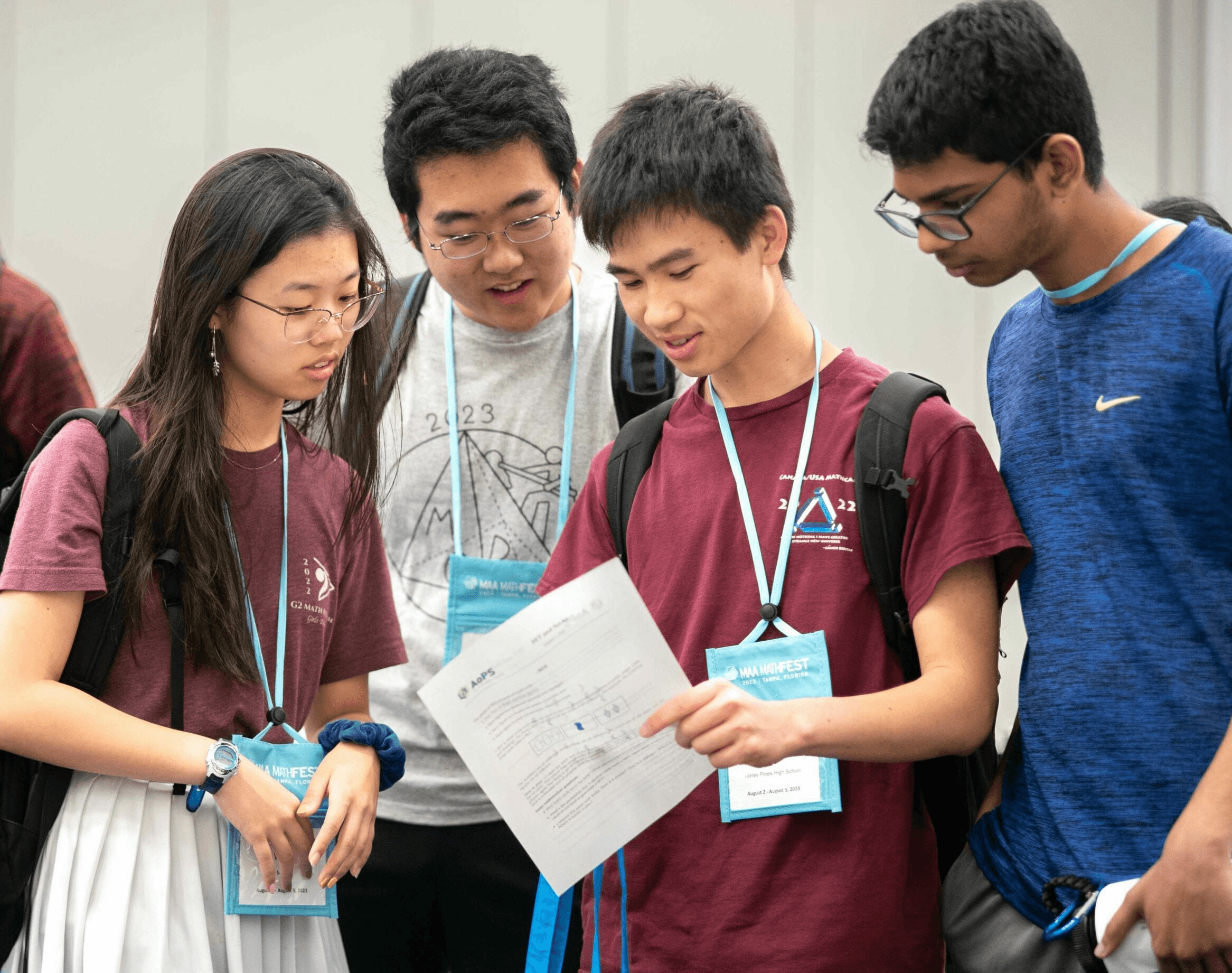
Math Prize for Girls is often described as one of the most prestigious mathematics competitions for high school students. But prestige alone does not explain why some students consistently perform well while others, equally talented, struggle to advance.
Understanding who the competition is for, how winners prepare, and what they tend to have in common can help students decide whether this path makes sense for them.
What Math Prize for Girls Is Really About
Math Prize for Girls is not just a test of speed or syllabus coverage. It is designed to identify students with strong mathematical intuition, creativity, and persistence under pressure.
The problems reward flexible thinking, pattern recognition, and the ability to approach unfamiliar ideas calmly. Memorization and routine practice alone are rarely enough.
This makes the competition fundamentally different from standard school exams.
Eligibility and Who Should Consider Applying
The competition is open to high school students who identify as female and meet the age and grade eligibility requirements set for the given year.
Students most suited for Math Prize for Girls usually have:
• prior experience with contest math
• strong AMC 10 or AMC 12 performance
• comfort with open-ended problem solving
Eligibility alone does not determine readiness. The more important question is whether the student enjoys thinking deeply about problems without immediate solutions.
How Winners Typically Prepare
There is no single preparation path, but patterns do emerge among strong performers.
Most winners spend years engaging with contest-style problems rather than cramming in the final months. They work through AMC, AIME, and Olympiad-level questions slowly, focusing on understanding why solutions work.
They also revisit problems they got wrong and reflect on alternative approaches. This habit matters more than sheer volume of practice.
The Role of Mentorship and Peer Learning
Many successful students learn in community. This might be through math circles, online forums, school clubs, or informal peer groups.
Explaining ideas to others sharpens understanding. Listening to how someone else solves the same problem often reveals new perspectives.
Winners rarely prepare in complete isolation.
What Sets Winners Apart Beyond Skill
At the top level, raw ability is not enough. What often separates winners is how they respond to difficulty.
Strong performers tend to:
• stay composed when stuck
• experiment with ideas instead of freezing
• manage time strategically
• recover quickly from mistakes
They treat each problem as a conversation rather than a threat.
How Admissions Committees View Math Prize for Girls
Admissions officers do not expect most students to win or even qualify. Participation itself already signals advanced interest in mathematics.
For students who advance far, the competition provides strong evidence of intellectual depth, resilience, and genuine engagement with math.
However, even for non-winners, the skills developed through preparation often show up elsewhere in applications through coursework, recommendations, and problem-solving experiences.
Should Students Aim for Math Prize for Girls?
This competition is best suited for students who enjoy math for its own sake. Those motivated purely by recognition often find the process frustrating.
Students who thrive tend to see preparation as rewarding regardless of outcome. That mindset sustains long-term growth.
Final Thoughts
Math Prize for Girls is challenging by design. It rewards curiosity, patience, and creative thinking more than speed or perfection.
Students who approach it as a learning journey rather than a verdict often gain the most, whether or not they reach the final stages.
For those who love deep mathematical thinking, the experience itself can matter far beyond the competition results.
If you are a high school student pushing yourself to stand out in college applications, RISE Research offers a unique opportunity to work one-on-one with mentors from top universities around the world.
Through personalized guidance and independent research projects that can lead to prestigious publications, RISE helps you build a standout academic profile and develop skills that set you apart. With flexible program dates and global accessibility, ambitious students can apply year-round. To learn more about eligibility, costs, and how to get started, visit RISE Research’s official website and take your college preparation to the next level!
Read More