Selective research programs are often misunderstood. From the outside, they can look like prestige filters designed to impress admissions officers. In reality, selectivity in well-designed research programs exists for a different reason: protecting student learning, confidence, and long-term growth.
When done correctly, selectivity is not about exclusion. It is about alignment.
Why Research Programs Cannot Be One-Size-Fits-All
Research is not like a typical class. Students are expected to handle ambiguity, read unfamiliar material, revise work repeatedly, and think independently without constant instructions.
If a student enters a research program without the foundational readiness required, the experience can quickly become discouraging. Instead of curiosity, students feel pressure. Instead of growth, they feel lost.
Selective programs aim to prevent this mismatch by ensuring students enter at a level where challenge leads to development, not burnout.
Selectivity Protects Students From Being Overwhelmed
One of the biggest risks in early research is cognitive overload. Students who are pushed into projects that are too complex often disengage or lose confidence in their academic abilities.
Selective programs assess readiness not to gatekeep, but to scope projects realistically. When students are prepared for the level of abstraction, writing, and problem-solving required, they are more likely to persist through difficulty.
The goal is sustained engagement, not short-term intensity.
Strong Mentorship Depends on Manageable Cohort Sizes
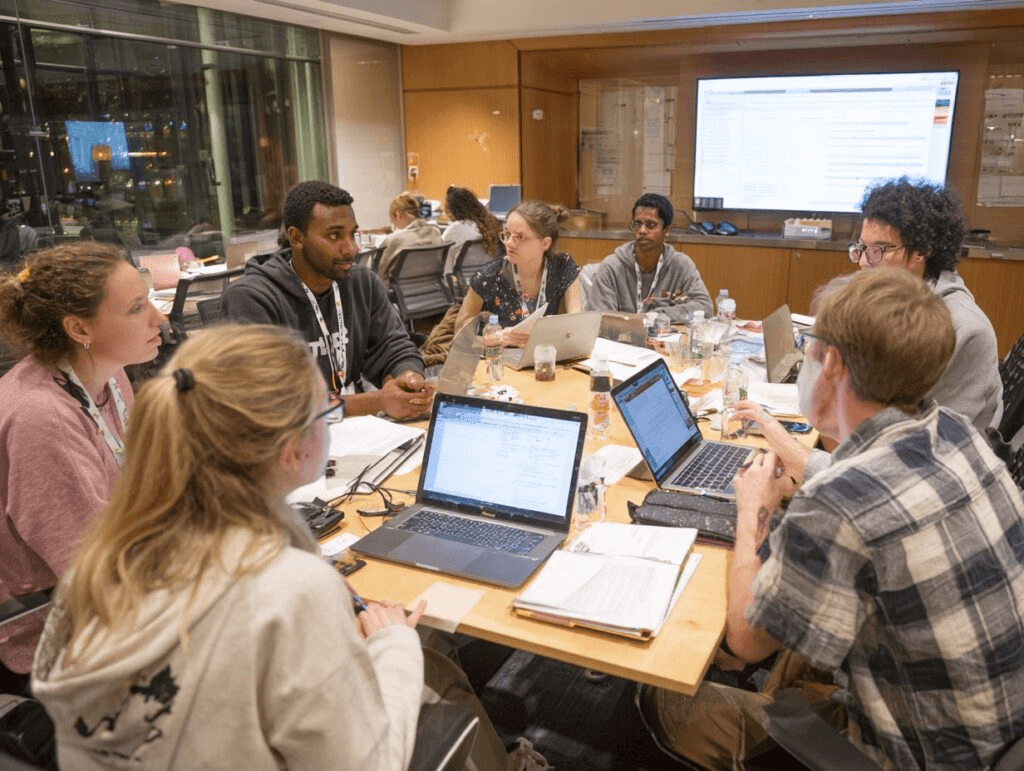
High-quality research mentorship is time-intensive. Mentors review drafts, give detailed feedback, and adapt projects based on how students think and learn.
Programs that admit too many students dilute mentorship quality. Selectivity allows mentors to work closely with each student, ensuring feedback is specific rather than generic.
This depth of mentorship directly affects learning outcomes more than any program name ever could.
Outcome-Focused Programs Prioritize Learning Over Labels
Programs designed around outcomes ask different questions during selection. They look for curiosity, commitment, and the ability to reflect rather than polished resumes or prior achievements alone.
Students who meet these criteria are more likely to finish projects, develop real research skills, and articulate their learning clearly later on.
Selectivity here is about protecting the integrity of the process, not signaling exclusivity.
Why Selective Programs Often Feel Harder but Safer
Students in well-matched research programs are challenged consistently, but not unpredictably. Expectations are clear. Support systems exist. Failure is treated as part of learning, not as a personal shortcoming.
This balance creates a psychologically safer environment where students are willing to take intellectual risks, revise their thinking, and ask better questions.
Over time, this changes how students approach unfamiliar problems across subjects.
What Happens When Programs Are Not Selective Enough
Open-access research programs can be valuable for exploration, but without careful scaffolding, they often leave students unsupported.
Some students dominate. Others fall behind silently. Mentors are stretched thin. Feedback becomes surface-level. Learning outcomes vary widely.
Selectivity, when paired with transparency, helps avoid these uneven experiences.
What Students and Parents Should Look For Instead of Prestige
Rather than focusing on acceptance rates or brand names, families should ask practical questions:
How is readiness assessed?
How are projects adjusted to student backgrounds?
How often do mentors provide feedback?
What happens if a student struggles midway?
Programs that can answer these questions clearly are usually prioritizing student outcomes over optics.
Final Thoughts
Selectivity in research programs is not about keeping students out. It is about bringing the right students in at the right time.
When selectivity is used thoughtfully, it protects students from overwhelm, ensures meaningful mentorship, and creates conditions where learning can actually happen.
In the long run, those outcomes matter far more than prestige ever will.
If you are a high school student pushing yourself to stand out in college applications, RISE Research offers a unique opportunity to work one-on-one with mentors from top universities around the world.
Through personalized guidance and independent research projects that can lead to prestigious publications, RISE helps you build a standout academic profile and develop skills that set you apart. With flexible program dates and global accessibility, ambitious students can apply year-round. To learn more about eligibility, costs, and how to get started, visit RISE Research’s official website and take your college preparation to the next level!
Read More