>
>
>
15 best STEM research programs for US high school students (2026)
15 best STEM research programs for US high school students (2026)
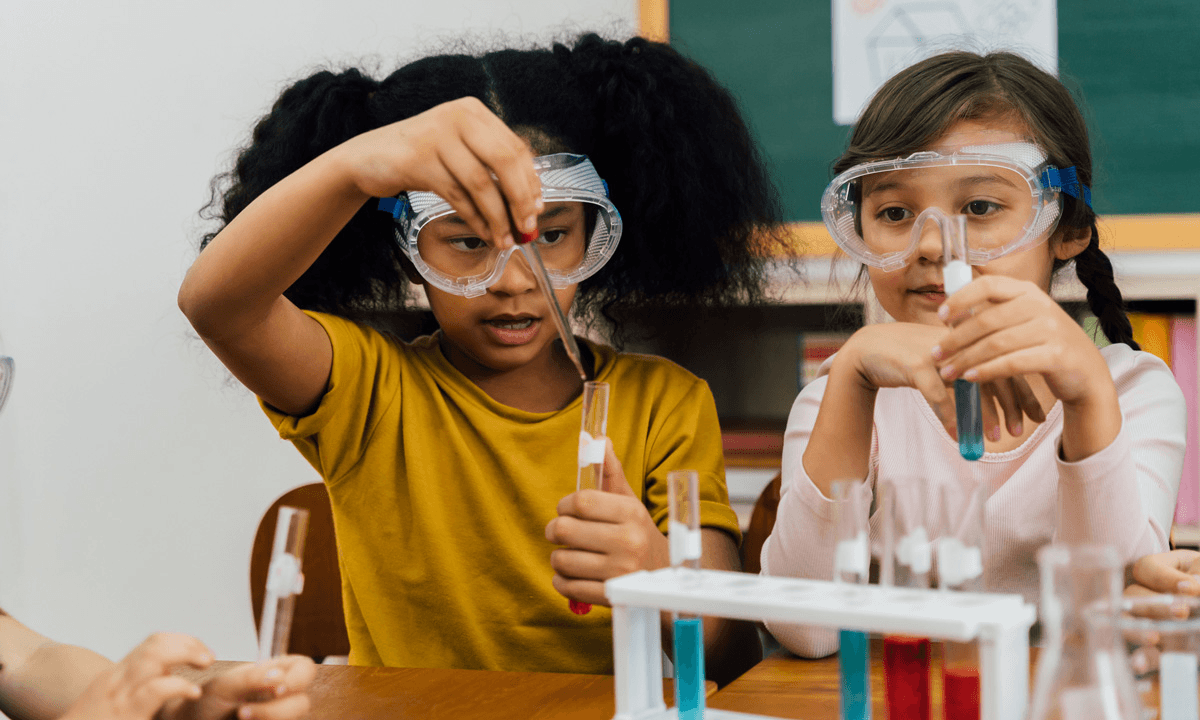
15 best STEM research programs for US high school students (2026) | RISE Research
15 best STEM research programs for US high school students (2026) | RISE Research
RISE Research
RISE Research
TL;DR: This list covers the 15 best STEM research programs for US high school students in 2026, including free, selective, online, and in-person options. Programs range from university-hosted summer intensives to year-round online mentorship that ends in a published paper. When choosing, prioritize verified outputs, mentor credentials, and real admissions outcomes over marketing claims. If RISE Research looks like the right fit, book a free Research Assessment before the Summer 2026 deadline closes.
Introduction
US high school students pursuing STEM have more research opportunities available to them in 2026 than at any previous point. University labs, online mentorship platforms, and national science programs have all expanded their high school pipelines. The challenge is no longer finding a program. It is identifying which programs produce outcomes that matter: published papers, competition awards, and the kind of independent research experience that selective admissions offices recognize.
This list covers the 15 best STEM research programs for US high school students in 2026. It includes free government-funded programs, university-hosted intensives, and selective paid mentorship programs. Every entry is sourced from the program's official website. We have ranked these programs by their outcomes, including publication rates, admissions results, and what students actually produce, not by marketing claims.
How to choose the right STEM research program for US high school students
Before you compare programs, establish the criteria that matter for your specific situation. Here are five questions every student and parent should answer first.
Does it produce a verifiable output? A research program should end with something tangible: a published paper, a competition submission, or a documented project. Ask which journals or competitions the program targets and verify those outlets are legitimate.
Who are the mentors? PhD-level mentors with active publication records are the standard to aim for. Ask for mentor credentials before enrolling, not after.
Is the format compatible with your schedule? Some programs require full-time summer attendance. Others run alongside the school year. Know which you are signing up for and whether it fits your academic calendar.
What is the real cost? Some programs advertise low base fees but charge separately for application support, journal submission fees, or extensions. Confirm the all-in cost upfront.
Are the admissions outcomes verified? Any program can claim its alumni attend top universities. Ask for acceptance rate data with a sample size, not a list of school logos.
The 15 best STEM research programs for US high school students in 2026
1. Research Science Institute (RSI)
Center for Excellence in Education | In-person, MIT campus | Free | Applications closed for 2026 cycle
RSI is widely regarded as the most selective free STEM research program in the United States. Approximately 80 students are selected nationally each year to spend six weeks at MIT conducting original research with university faculty. Students produce a formal research paper and present their findings at a symposium. Admission is extraordinarily competitive, with acceptance rates below 1%. RSI is the right program if a student has the academic profile to compete at that level and applies early enough to meet the annual January deadline.
Best for: Top-decile students with strong math and science competition records seeking a fully funded, in-person research experience.
2. RISE Research
RISE Global Education | Online | Paid (selective) | Summer 2026 cohort open now
RISE Research is a selective 1-on-1 mentorship program where high school students in Grades 9 through 12 conduct original, university-level STEM research under PhD mentors from Ivy League and Oxbridge institutions. Students work one to two hours per week over ten weeks and produce a research paper submitted to peer-reviewed academic journals. RISE mentors are published in 40+ academic journals, and the program reports a 90% publication rate across its scholar cohorts. The admissions outcomes are specific and verifiable: RISE scholars are accepted to Stanford at an 18% rate versus the 8.7% general applicant rate, and to UPenn at a 32% rate versus the 3.8% general rate. The program's 500+ mentor network spans fields including biology, computer science, environmental science, physics, and engineering. RISE is fully online, which means students anywhere in the US can join regardless of proximity to a university campus. The program is paid and selective. Students apply and are matched to a mentor based on their subject interest and academic background. For students who want a published paper before their Common App deadline, the timeline is realistic: a paper submitted before November early action deadlines is achievable for students who begin in the summer cohort.
Best for: Ambitious STEM students in Grades 9 through 12 who want a published paper, a credentialed mentor, and verified admissions outcomes before applying to top universities.
3. MIT Primes
Massachusetts Institute of Technology | Online and in-person | Free | Applications for 2026 cycle: check mit.edu/primes
MIT PRIMES is a year-long research program for high school students in the greater Boston area, with an online section (PRIMES USA) open to students nationwide. Students work with MIT researchers on original mathematics and computer science problems. The program is free and highly selective. Students in the online section communicate with mentors remotely and present findings at the annual PRIMES Conference. This is one of the strongest free options for students focused specifically on mathematics or theoretical computer science.
Best for: Students with exceptional mathematics ability who want structured research in math or CS under MIT faculty.
4. Simons Summer Research Program
Stony Brook University | In-person, Long Island, NY | Free | Applications typically open January
The Simons Summer Research Program places high school students in Stony Brook University labs for a seven-week summer intensive. Students work directly with faculty mentors on active research projects in STEM fields and present their work at a closing symposium. The program is free and open to students who can commute to or stay near the Stony Brook campus. It is a strong option for students in New York, though it requires in-person attendance.
Best for: New York-area students seeking a free, in-person university lab experience in the summer before Grade 12.
5. Garcia Summer Scholar Program
Stony Brook University | In-person | Paid | Applications open in winter
The Garcia Program at Stony Brook focuses on polymer science and materials research. Students spend seven weeks on campus conducting hands-on lab research and producing a formal research paper. The program has a strong track record of student publications in materials science journals. It is one of the few programs that guarantees a research output in a specific scientific discipline. Costs apply and vary by year; check the official Garcia Program page for current figures.
Best for: Students with a specific interest in materials science or chemistry who want an in-person lab experience with a publication outcome.
6. Clark Scholars Program
Texas Tech University | In-person, Lubbock, TX | Paid stipend provided | Applications open in winter
The Clark Scholars Program selects 12 students per year for a seven-week summer research experience at Texas Tech University. Students receive a stipend and work with faculty mentors across multiple STEM disciplines. The program is small by design, which means students receive close mentorship. It is one of the few programs that pays students rather than charging them. Acceptance is highly competitive nationally.
Best for: Students who want a stipend-supported, in-person research experience in a small cohort setting.
7. PRIMES-USA (MIT)
Massachusetts Institute of Technology | Online | Free | Applications typically open in October
PRIMES-USA is the national online section of the MIT PRIMES program, open to students outside the Boston area. Students work remotely with MIT researchers on original mathematics problems over the course of a year. This is one of the most rigorous free online research options available to US students in math and theoretical CS. The program requires a strong competition math background and significant independent motivation.
Best for: High-achieving math students outside Massachusetts who want a free, year-long research experience with MIT researchers.
8. Regeneron Science Talent Search (STS) Preparation
Society for Science | Online and in-person | Free to enter | Entry deadline: November 2025 for 2026 cycle
The Regeneron STS is the most prestigious high school science competition in the United States. Students submit original research projects for review by a panel of scientists. Top finalists receive awards up to $250,000 and are invited to Washington, DC for the final competition. Students must complete their own independent research before applying, which means STS is a destination for students who have already conducted research, not a program that provides mentorship. Many RISE scholars submit their published work to STS as part of their competition profile. See the RISE Awards page for examples of how research mentorship connects to competition outcomes.
Best for: Students who have completed original research and want to compete for national recognition and scholarship awards.
9. Regeneron ISEF
Society for Science | In-person, international | Free to enter (via affiliated fair) | Affiliated fair deadlines vary by state
The International Science and Engineering Fair is the world's largest pre-college STEM competition. Students qualify through affiliated regional and state science fairs and present original research projects to judges from universities and industry. ISEF is a competition, not a mentorship program, but it is the most recognized global platform for high school research. Students who produce a strong research paper through a program like RISE can use that work as the foundation for an ISEF project.
Best for: Students who have completed original research and want international competition exposure and recognition.
10. NASA High School Internship Programs
NASA | In-person at NASA centers | Free, stipend provided | Applications open in fall for summer cycle
NASA offers internship opportunities for high school students at multiple centers across the US, including Goddard, JPL, and Ames. Students work with NASA researchers on real projects in aerospace, earth science, and engineering. Stipends are provided. Eligibility requirements include US citizenship and minimum GPA thresholds. These are competitive and placement is not guaranteed in a specific field or center. Check the NASA Internships portal for 2026 cycle deadlines.
Best for: Students with a strong interest in aerospace, earth science, or engineering who want a government-funded research experience.
11. Broad Institute High School Summer Research Program
Broad Institute of MIT and Harvard | In-person, Cambridge, MA | Free | Applications open in winter
The Broad Institute accepts a small number of high school students each summer to work in genomics and biomedical research labs. Students work alongside graduate students and postdoctoral researchers on active projects. The program is free and highly selective. It is geographically limited to students who can attend in person in Cambridge, Massachusetts.
Best for: Boston-area students with a strong interest in genomics, biology, or biomedical research.
12. Rockefeller University Summer Science Research Program
Rockefeller University | In-person, New York City | Free | Applications open in January
Rockefeller University's program places New York City high school students in biomedical research labs for a seven-week summer program. Students work with Rockefeller faculty and present their research at a closing symposium. The program is free and limited to NYC-area students. It is one of the strongest free in-person biomedical research options in the country for students who qualify geographically.
Best for: NYC-area students with a strong interest in biomedical or life sciences research.
13. Duke University Talent Identification Program (TIP) Research)
Duke University | Online and in-person | Paid | Applications open in spring
Duke TIP offers research-focused academic programs for academically talented students in Grades 7 through 12. The program covers multiple STEM disciplines and includes both online and residential options. Students engage in advanced coursework and research projects. Duke TIP is a well-established program with strong institutional credibility, though it is not specifically designed to produce peer-reviewed publications. Costs vary by program format and length.
Best for: Students in Grades 7 through 10 who want structured academic enrichment with a research component before committing to a publication-focused program.
14. Johns Hopkins Center for Talented Youth (CTY) Research Programs
Johns Hopkins University | Online and in-person | Paid | Applications open in winter
Johns Hopkins CTY offers summer and online programs for academically advanced students, including research-focused courses in biology, computer science, and mathematics. CTY programs are well recognized and carry institutional credibility from the Johns Hopkins brand. They are not primarily designed to produce peer-reviewed publications, but they provide strong academic foundations and research exposure. Costs vary significantly by program and format.
Best for: Students in Grades 9 through 11 who want structured STEM enrichment from a recognized university program as a foundation for more advanced research.
15. Davidson Fellows Scholarship
Davidson Institute | Online submission | Free to apply | Applications due February 2026
The Davidson Fellows Scholarship awards $50,000, $25,000, and $10,000 scholarships to students under 18 who have completed a significant piece of original work in STEM, literature, music, or philosophy. The STEM category is the most competitive. Students must submit a completed project, not a proposal. This is a destination for students who have already completed original research. Like Regeneron STS, it rewards students who have produced verifiable research outputs through programs like RISE.
Best for: Students who have completed a substantial original STEM project and want to compete for a significant scholarship award.
Quick comparison: STEM research programs for US high school students at a glance
Program | Format | Cost | Output | Publication Rate |
|---|---|---|---|---|
RSI (CEE) | In-person | Free | Research paper | Not publicly disclosed |
RISE Research | Online | Paid | Peer-reviewed publication | 90% |
MIT PRIMES | In-person/Online | Free | Research paper | Not publicly disclosed |
Simons Summer Research | In-person | Free | Symposium presentation | Not publicly disclosed |
Garcia Program | In-person | Paid | Research paper | Not publicly disclosed |
Clark Scholars | In-person | Stipend provided | Research project | Not publicly disclosed |
PRIMES-USA | Online | Free | Research paper | Not publicly disclosed |
Regeneron STS | Competition | Free to enter | Competition entry | N/A |
Regeneron ISEF | Competition | Free to enter | Competition entry | N/A |
NASA Internships | In-person | Free, stipend | Research contribution | Not publicly disclosed |
Broad Institute | In-person | Free | Lab research | Not publicly disclosed |
Rockefeller University | In-person | Free | Symposium presentation | Not publicly disclosed |
Duke TIP | Online/In-person | Paid | Research project | Not publicly disclosed |
Johns Hopkins CTY | Online/In-person | Paid | Research project | Not publicly disclosed |
Davidson Fellows | Competition | Free to apply | Scholarship competition | N/A |
Which STEM research program is right for US high school students?
The right program depends on three factors: your goal, your timeline, and your location.
If your goal is a published paper before November early action deadlines, RISE Research is the most direct path. The ten-week timeline is designed to produce a submitted paper within a single summer, and the 90% publication rate is the only verified figure of its kind on this list. Explore the range of RISE student projects to see what students in your subject area have produced.
If your goal is a free, fully selective program with strong institutional prestige, RSI and MIT PRIMES are the strongest options. Both are extremely competitive and require strong competition records. Apply in the fall to meet their January deadlines.
If you are in New York City or the Boston area and want a free in-person lab experience, Rockefeller University and the Broad Institute are both exceptional. They are geographically limited, but for students who qualify, they are among the best free options in the country.
If you have already completed original research and want to compete for awards, Regeneron STS and the Davidson Fellows Scholarship are the two highest-profile destinations. Both reward students who can demonstrate a completed, verifiable research output. For a broader look at how research connects to competition outcomes, see the best research programs for US high school students guide.
The RISE Summer 2026 cohort is open to students across the United States. If a published research paper before your college application is the goal, book a free 20-minute Research Assessment to see whether the timeline works for your grade and subject.
Frequently asked questions about STEM research programs for US high school students
Are there free STEM research programs for US high school students?
Yes. RSI, MIT PRIMES, Simons Summer Research, Rockefeller University, the Broad Institute, and NASA internships are all free. Some provide stipends. The tradeoff is that free programs are typically the most selective and often require in-person attendance at a specific university campus. Students who do not qualify geographically or academically for these programs have strong paid alternatives, including RISE Research, which is fully online and available to students anywhere in the US.
Do STEM research programs actually help with college admissions?
Yes, when the research produces a verifiable output. A published paper, a competition award, or a named research role under a university mentor gives admissions officers something specific to evaluate. Programs that end only in a certificate or a participation record carry less weight. RISE Research reports an 18% Stanford acceptance rate for its scholars versus the 8.7% general applicant rate, which is the most specific admissions outcome data available from any program on this list. For more on how research affects admissions, see the RISE admissions results page.
What grade should I be in to join a STEM research program?
Most programs accept students in Grades 10 through 12. RISE Research accepts students from Grade 9, which gives students a three-year window to build a research record before applying to college. Starting in Grade 9 or 10 allows students to complete multiple research projects, enter competitions, and strengthen their academic profile over time rather than rushing a single project in Grade 12.
How do online STEM research programs compare to in-person programs for college applications?
Admissions officers evaluate the output, not the format. A published paper produced through an online mentorship program carries the same weight as one produced in a university lab, provided the research is original and the journal is legitimate. Online programs like RISE Research have the additional advantage of being accessible to students regardless of their location, school resources, or proximity to a research university.
What STEM research programs look best on a US college application?
Programs that produce a published paper or a named competition award carry the most weight. RSI, RISE Research, MIT PRIMES, and Regeneron STS finalists are all recognized by selective admissions offices. The key is specificity: a student who can point to a paper in a named journal, a competition ranking, or a mentor with verifiable credentials is in a stronger position than one who completed a general enrichment program. For a broader view of research opportunities across disciplines, see the guide to best research programs for US high school students.
Conclusion
The 15 best STEM research programs for US high school students in 2026 span a wide range of formats, costs, and outcomes. For students who want a free, in-person experience at a top university, RSI and MIT PRIMES represent the highest standard available. For students who want a published paper and verified admissions outcomes through a flexible online format, RISE Research is the most data-backed option on this list. For students who have already completed research and want to compete nationally, Regeneron STS and the Davidson Fellows Scholarship are the strongest destinations.
The Summer 2026 Priority Deadline is approaching. If RISE Research sounds like the right fit for your goals, schedule a free Research Assessment and we will tell you exactly what is achievable before your application deadlines. You can also explore
TL;DR: This list covers the 15 best STEM research programs for US high school students in 2026, including free, selective, online, and in-person options. Programs range from university-hosted summer intensives to year-round online mentorship that ends in a published paper. When choosing, prioritize verified outputs, mentor credentials, and real admissions outcomes over marketing claims. If RISE Research looks like the right fit, book a free Research Assessment before the Summer 2026 deadline closes.
Introduction
US high school students pursuing STEM have more research opportunities available to them in 2026 than at any previous point. University labs, online mentorship platforms, and national science programs have all expanded their high school pipelines. The challenge is no longer finding a program. It is identifying which programs produce outcomes that matter: published papers, competition awards, and the kind of independent research experience that selective admissions offices recognize.
This list covers the 15 best STEM research programs for US high school students in 2026. It includes free government-funded programs, university-hosted intensives, and selective paid mentorship programs. Every entry is sourced from the program's official website. We have ranked these programs by their outcomes, including publication rates, admissions results, and what students actually produce, not by marketing claims.
How to choose the right STEM research program for US high school students
Before you compare programs, establish the criteria that matter for your specific situation. Here are five questions every student and parent should answer first.
Does it produce a verifiable output? A research program should end with something tangible: a published paper, a competition submission, or a documented project. Ask which journals or competitions the program targets and verify those outlets are legitimate.
Who are the mentors? PhD-level mentors with active publication records are the standard to aim for. Ask for mentor credentials before enrolling, not after.
Is the format compatible with your schedule? Some programs require full-time summer attendance. Others run alongside the school year. Know which you are signing up for and whether it fits your academic calendar.
What is the real cost? Some programs advertise low base fees but charge separately for application support, journal submission fees, or extensions. Confirm the all-in cost upfront.
Are the admissions outcomes verified? Any program can claim its alumni attend top universities. Ask for acceptance rate data with a sample size, not a list of school logos.
The 15 best STEM research programs for US high school students in 2026
1. Research Science Institute (RSI)
Center for Excellence in Education | In-person, MIT campus | Free | Applications closed for 2026 cycle
RSI is widely regarded as the most selective free STEM research program in the United States. Approximately 80 students are selected nationally each year to spend six weeks at MIT conducting original research with university faculty. Students produce a formal research paper and present their findings at a symposium. Admission is extraordinarily competitive, with acceptance rates below 1%. RSI is the right program if a student has the academic profile to compete at that level and applies early enough to meet the annual January deadline.
Best for: Top-decile students with strong math and science competition records seeking a fully funded, in-person research experience.
2. RISE Research
RISE Global Education | Online | Paid (selective) | Summer 2026 cohort open now
RISE Research is a selective 1-on-1 mentorship program where high school students in Grades 9 through 12 conduct original, university-level STEM research under PhD mentors from Ivy League and Oxbridge institutions. Students work one to two hours per week over ten weeks and produce a research paper submitted to peer-reviewed academic journals. RISE mentors are published in 40+ academic journals, and the program reports a 90% publication rate across its scholar cohorts. The admissions outcomes are specific and verifiable: RISE scholars are accepted to Stanford at an 18% rate versus the 8.7% general applicant rate, and to UPenn at a 32% rate versus the 3.8% general rate. The program's 500+ mentor network spans fields including biology, computer science, environmental science, physics, and engineering. RISE is fully online, which means students anywhere in the US can join regardless of proximity to a university campus. The program is paid and selective. Students apply and are matched to a mentor based on their subject interest and academic background. For students who want a published paper before their Common App deadline, the timeline is realistic: a paper submitted before November early action deadlines is achievable for students who begin in the summer cohort.
Best for: Ambitious STEM students in Grades 9 through 12 who want a published paper, a credentialed mentor, and verified admissions outcomes before applying to top universities.
3. MIT Primes
Massachusetts Institute of Technology | Online and in-person | Free | Applications for 2026 cycle: check mit.edu/primes
MIT PRIMES is a year-long research program for high school students in the greater Boston area, with an online section (PRIMES USA) open to students nationwide. Students work with MIT researchers on original mathematics and computer science problems. The program is free and highly selective. Students in the online section communicate with mentors remotely and present findings at the annual PRIMES Conference. This is one of the strongest free options for students focused specifically on mathematics or theoretical computer science.
Best for: Students with exceptional mathematics ability who want structured research in math or CS under MIT faculty.
4. Simons Summer Research Program
Stony Brook University | In-person, Long Island, NY | Free | Applications typically open January
The Simons Summer Research Program places high school students in Stony Brook University labs for a seven-week summer intensive. Students work directly with faculty mentors on active research projects in STEM fields and present their work at a closing symposium. The program is free and open to students who can commute to or stay near the Stony Brook campus. It is a strong option for students in New York, though it requires in-person attendance.
Best for: New York-area students seeking a free, in-person university lab experience in the summer before Grade 12.
5. Garcia Summer Scholar Program
Stony Brook University | In-person | Paid | Applications open in winter
The Garcia Program at Stony Brook focuses on polymer science and materials research. Students spend seven weeks on campus conducting hands-on lab research and producing a formal research paper. The program has a strong track record of student publications in materials science journals. It is one of the few programs that guarantees a research output in a specific scientific discipline. Costs apply and vary by year; check the official Garcia Program page for current figures.
Best for: Students with a specific interest in materials science or chemistry who want an in-person lab experience with a publication outcome.
6. Clark Scholars Program
Texas Tech University | In-person, Lubbock, TX | Paid stipend provided | Applications open in winter
The Clark Scholars Program selects 12 students per year for a seven-week summer research experience at Texas Tech University. Students receive a stipend and work with faculty mentors across multiple STEM disciplines. The program is small by design, which means students receive close mentorship. It is one of the few programs that pays students rather than charging them. Acceptance is highly competitive nationally.
Best for: Students who want a stipend-supported, in-person research experience in a small cohort setting.
7. PRIMES-USA (MIT)
Massachusetts Institute of Technology | Online | Free | Applications typically open in October
PRIMES-USA is the national online section of the MIT PRIMES program, open to students outside the Boston area. Students work remotely with MIT researchers on original mathematics problems over the course of a year. This is one of the most rigorous free online research options available to US students in math and theoretical CS. The program requires a strong competition math background and significant independent motivation.
Best for: High-achieving math students outside Massachusetts who want a free, year-long research experience with MIT researchers.
8. Regeneron Science Talent Search (STS) Preparation
Society for Science | Online and in-person | Free to enter | Entry deadline: November 2025 for 2026 cycle
The Regeneron STS is the most prestigious high school science competition in the United States. Students submit original research projects for review by a panel of scientists. Top finalists receive awards up to $250,000 and are invited to Washington, DC for the final competition. Students must complete their own independent research before applying, which means STS is a destination for students who have already conducted research, not a program that provides mentorship. Many RISE scholars submit their published work to STS as part of their competition profile. See the RISE Awards page for examples of how research mentorship connects to competition outcomes.
Best for: Students who have completed original research and want to compete for national recognition and scholarship awards.
9. Regeneron ISEF
Society for Science | In-person, international | Free to enter (via affiliated fair) | Affiliated fair deadlines vary by state
The International Science and Engineering Fair is the world's largest pre-college STEM competition. Students qualify through affiliated regional and state science fairs and present original research projects to judges from universities and industry. ISEF is a competition, not a mentorship program, but it is the most recognized global platform for high school research. Students who produce a strong research paper through a program like RISE can use that work as the foundation for an ISEF project.
Best for: Students who have completed original research and want international competition exposure and recognition.
10. NASA High School Internship Programs
NASA | In-person at NASA centers | Free, stipend provided | Applications open in fall for summer cycle
NASA offers internship opportunities for high school students at multiple centers across the US, including Goddard, JPL, and Ames. Students work with NASA researchers on real projects in aerospace, earth science, and engineering. Stipends are provided. Eligibility requirements include US citizenship and minimum GPA thresholds. These are competitive and placement is not guaranteed in a specific field or center. Check the NASA Internships portal for 2026 cycle deadlines.
Best for: Students with a strong interest in aerospace, earth science, or engineering who want a government-funded research experience.
11. Broad Institute High School Summer Research Program
Broad Institute of MIT and Harvard | In-person, Cambridge, MA | Free | Applications open in winter
The Broad Institute accepts a small number of high school students each summer to work in genomics and biomedical research labs. Students work alongside graduate students and postdoctoral researchers on active projects. The program is free and highly selective. It is geographically limited to students who can attend in person in Cambridge, Massachusetts.
Best for: Boston-area students with a strong interest in genomics, biology, or biomedical research.
12. Rockefeller University Summer Science Research Program
Rockefeller University | In-person, New York City | Free | Applications open in January
Rockefeller University's program places New York City high school students in biomedical research labs for a seven-week summer program. Students work with Rockefeller faculty and present their research at a closing symposium. The program is free and limited to NYC-area students. It is one of the strongest free in-person biomedical research options in the country for students who qualify geographically.
Best for: NYC-area students with a strong interest in biomedical or life sciences research.
13. Duke University Talent Identification Program (TIP) Research)
Duke University | Online and in-person | Paid | Applications open in spring
Duke TIP offers research-focused academic programs for academically talented students in Grades 7 through 12. The program covers multiple STEM disciplines and includes both online and residential options. Students engage in advanced coursework and research projects. Duke TIP is a well-established program with strong institutional credibility, though it is not specifically designed to produce peer-reviewed publications. Costs vary by program format and length.
Best for: Students in Grades 7 through 10 who want structured academic enrichment with a research component before committing to a publication-focused program.
14. Johns Hopkins Center for Talented Youth (CTY) Research Programs
Johns Hopkins University | Online and in-person | Paid | Applications open in winter
Johns Hopkins CTY offers summer and online programs for academically advanced students, including research-focused courses in biology, computer science, and mathematics. CTY programs are well recognized and carry institutional credibility from the Johns Hopkins brand. They are not primarily designed to produce peer-reviewed publications, but they provide strong academic foundations and research exposure. Costs vary significantly by program and format.
Best for: Students in Grades 9 through 11 who want structured STEM enrichment from a recognized university program as a foundation for more advanced research.
15. Davidson Fellows Scholarship
Davidson Institute | Online submission | Free to apply | Applications due February 2026
The Davidson Fellows Scholarship awards $50,000, $25,000, and $10,000 scholarships to students under 18 who have completed a significant piece of original work in STEM, literature, music, or philosophy. The STEM category is the most competitive. Students must submit a completed project, not a proposal. This is a destination for students who have already completed original research. Like Regeneron STS, it rewards students who have produced verifiable research outputs through programs like RISE.
Best for: Students who have completed a substantial original STEM project and want to compete for a significant scholarship award.
Quick comparison: STEM research programs for US high school students at a glance
Program | Format | Cost | Output | Publication Rate |
|---|---|---|---|---|
RSI (CEE) | In-person | Free | Research paper | Not publicly disclosed |
RISE Research | Online | Paid | Peer-reviewed publication | 90% |
MIT PRIMES | In-person/Online | Free | Research paper | Not publicly disclosed |
Simons Summer Research | In-person | Free | Symposium presentation | Not publicly disclosed |
Garcia Program | In-person | Paid | Research paper | Not publicly disclosed |
Clark Scholars | In-person | Stipend provided | Research project | Not publicly disclosed |
PRIMES-USA | Online | Free | Research paper | Not publicly disclosed |
Regeneron STS | Competition | Free to enter | Competition entry | N/A |
Regeneron ISEF | Competition | Free to enter | Competition entry | N/A |
NASA Internships | In-person | Free, stipend | Research contribution | Not publicly disclosed |
Broad Institute | In-person | Free | Lab research | Not publicly disclosed |
Rockefeller University | In-person | Free | Symposium presentation | Not publicly disclosed |
Duke TIP | Online/In-person | Paid | Research project | Not publicly disclosed |
Johns Hopkins CTY | Online/In-person | Paid | Research project | Not publicly disclosed |
Davidson Fellows | Competition | Free to apply | Scholarship competition | N/A |
Which STEM research program is right for US high school students?
The right program depends on three factors: your goal, your timeline, and your location.
If your goal is a published paper before November early action deadlines, RISE Research is the most direct path. The ten-week timeline is designed to produce a submitted paper within a single summer, and the 90% publication rate is the only verified figure of its kind on this list. Explore the range of RISE student projects to see what students in your subject area have produced.
If your goal is a free, fully selective program with strong institutional prestige, RSI and MIT PRIMES are the strongest options. Both are extremely competitive and require strong competition records. Apply in the fall to meet their January deadlines.
If you are in New York City or the Boston area and want a free in-person lab experience, Rockefeller University and the Broad Institute are both exceptional. They are geographically limited, but for students who qualify, they are among the best free options in the country.
If you have already completed original research and want to compete for awards, Regeneron STS and the Davidson Fellows Scholarship are the two highest-profile destinations. Both reward students who can demonstrate a completed, verifiable research output. For a broader look at how research connects to competition outcomes, see the best research programs for US high school students guide.
The RISE Summer 2026 cohort is open to students across the United States. If a published research paper before your college application is the goal, book a free 20-minute Research Assessment to see whether the timeline works for your grade and subject.
Frequently asked questions about STEM research programs for US high school students
Are there free STEM research programs for US high school students?
Yes. RSI, MIT PRIMES, Simons Summer Research, Rockefeller University, the Broad Institute, and NASA internships are all free. Some provide stipends. The tradeoff is that free programs are typically the most selective and often require in-person attendance at a specific university campus. Students who do not qualify geographically or academically for these programs have strong paid alternatives, including RISE Research, which is fully online and available to students anywhere in the US.
Do STEM research programs actually help with college admissions?
Yes, when the research produces a verifiable output. A published paper, a competition award, or a named research role under a university mentor gives admissions officers something specific to evaluate. Programs that end only in a certificate or a participation record carry less weight. RISE Research reports an 18% Stanford acceptance rate for its scholars versus the 8.7% general applicant rate, which is the most specific admissions outcome data available from any program on this list. For more on how research affects admissions, see the RISE admissions results page.
What grade should I be in to join a STEM research program?
Most programs accept students in Grades 10 through 12. RISE Research accepts students from Grade 9, which gives students a three-year window to build a research record before applying to college. Starting in Grade 9 or 10 allows students to complete multiple research projects, enter competitions, and strengthen their academic profile over time rather than rushing a single project in Grade 12.
How do online STEM research programs compare to in-person programs for college applications?
Admissions officers evaluate the output, not the format. A published paper produced through an online mentorship program carries the same weight as one produced in a university lab, provided the research is original and the journal is legitimate. Online programs like RISE Research have the additional advantage of being accessible to students regardless of their location, school resources, or proximity to a research university.
What STEM research programs look best on a US college application?
Programs that produce a published paper or a named competition award carry the most weight. RSI, RISE Research, MIT PRIMES, and Regeneron STS finalists are all recognized by selective admissions offices. The key is specificity: a student who can point to a paper in a named journal, a competition ranking, or a mentor with verifiable credentials is in a stronger position than one who completed a general enrichment program. For a broader view of research opportunities across disciplines, see the guide to best research programs for US high school students.
Conclusion
The 15 best STEM research programs for US high school students in 2026 span a wide range of formats, costs, and outcomes. For students who want a free, in-person experience at a top university, RSI and MIT PRIMES represent the highest standard available. For students who want a published paper and verified admissions outcomes through a flexible online format, RISE Research is the most data-backed option on this list. For students who have already completed research and want to compete nationally, Regeneron STS and the Davidson Fellows Scholarship are the strongest destinations.
The Summer 2026 Priority Deadline is approaching. If RISE Research sounds like the right fit for your goals, schedule a free Research Assessment and we will tell you exactly what is achievable before your application deadlines. You can also explore
Winter 2026 Early Admission Deadline Closing on 18th October
Book a free 20-min strategy call
Book a free 20-min strategy call
Read More