>
>
>
Best Research Programs for Students Interested in Astronomy
Best Research Programs for Students Interested in Astronomy
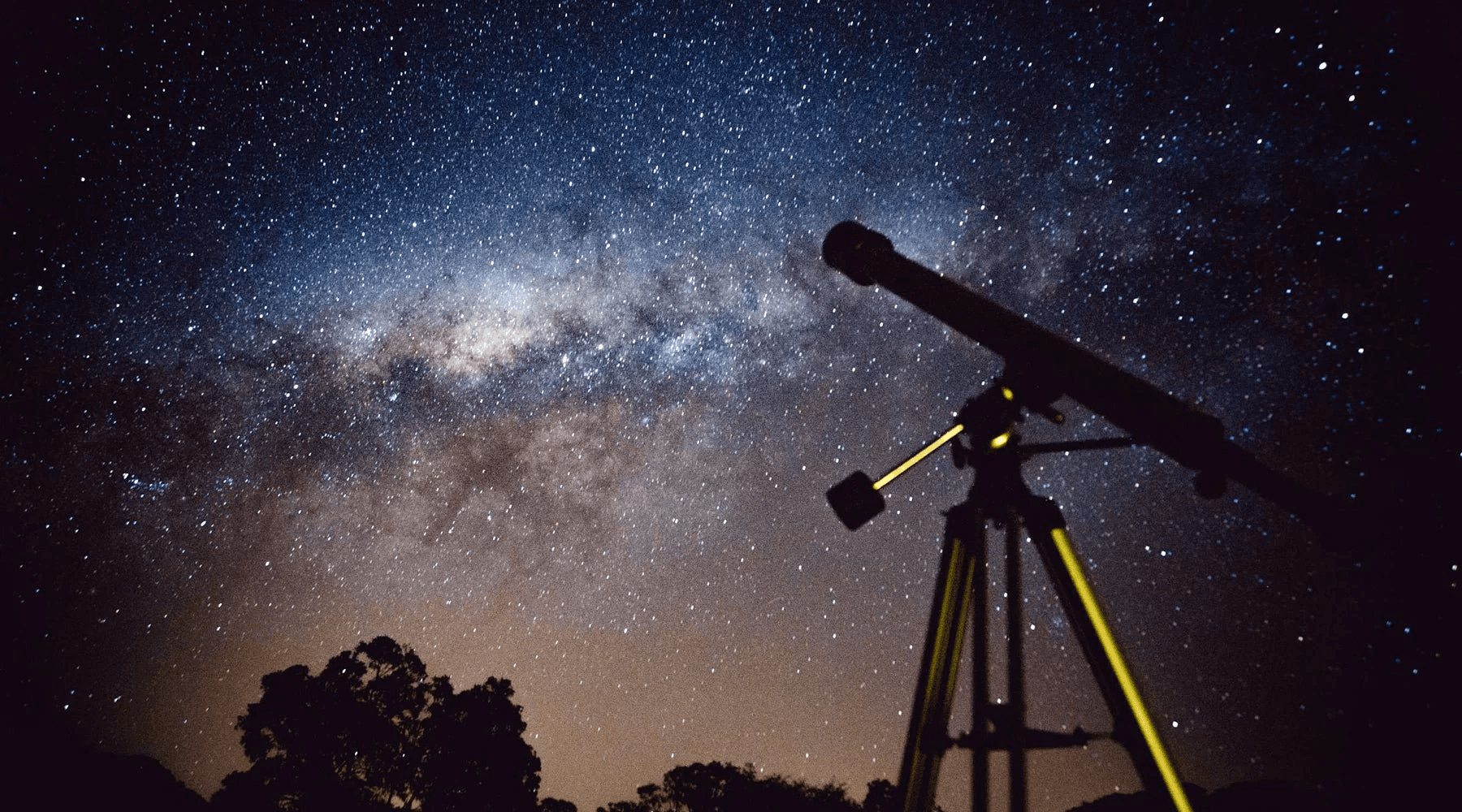
Best Research Programs for Students Interested in Astronomy | RISE Research
Best Research Programs for Students Interested in Astronomy | RISE Research
Rise Research
Rise Research
Astronomy is one of the most curiosity-driven scientific fields. From studying exoplanets to analyzing galaxies billions of light years away, astronomy research allows students to explore fundamental questions about the universe using real data and scientific tools. For high school students interested in astronomy, structured research programs can provide mentorship, technical skills, and tangible outcomes like papers, presentations, or conference posters.
Below are some of the best research pathways and programs for students interested in astronomy and space science.
Why Research Matters in Astronomy
Astronomy is not only about telescopes and images. Modern astronomical research relies heavily on data analysis, physics, mathematics, and computational thinking. Colleges and research institutions value students who demonstrate early exposure to scientific inquiry, hypothesis testing, and independent investigation. Participating in research programs shows depth of interest and prepares students for advanced STEM study.
NASA and Space Agency Research Programs
Several space agencies offer research aligned programs for high school students. These programs often focus on astrophysics, planetary science, satellite data analysis, and observational astronomy. Students work with authentic datasets collected from space missions and observatories.
These opportunities are especially valuable for students interested in pursuing aerospace engineering, astrophysics, or planetary sciences.
University Based Astronomy Research Programs
Many universities host summer research initiatives that include astronomy and astrophysics tracks. Students may work on topics such as stellar evolution, black holes, cosmic radiation, or galaxy formation. Programs typically include mentorship from professors or graduate researchers and culminate in a research presentation or paper.
Such programs are ideal for students who want early exposure to academic research environments and university level expectations.
Online and Remote Astronomy Research Programs
Remote research programs have made astronomy more accessible than ever. Students can now conduct astronomy research using open source telescope data, astronomical surveys, and simulation software from anywhere in the world. These programs often focus on data driven astronomy rather than physical observation.
Remote programs are particularly suitable for international students and those without access to advanced laboratory facilities.
Citizen Science and Open Data Research Projects
Astronomy has one of the strongest citizen science communities. Platforms that release open astronomical data allow students to contribute to real research while learning scientific methods. With proper guidance, students can turn these projects into structured research studies suitable for competitions or publications.
This pathway works well for students who are self motivated and interested in independent exploration.
Competitive Research and Publication Focused Programs
Some research programs are specifically designed to guide high school students toward producing publishable research or competing in international science competitions. In astronomy, this might involve original data analysis, novel simulations, or interdisciplinary research combining physics and computer science.
These programs are best suited for students aiming for highly selective STEM universities.
Skills Students Gain From Astronomy Research
Students participating in astronomy research programs typically develop skills such as scientific writing, statistical analysis, coding for data analysis, critical thinking, and scientific communication. They also gain experience working with large datasets and interpreting complex scientific results.
These skills are transferable across many STEM disciplines and are highly valued in college applications.
How to Choose the Right Program
When selecting an astronomy research program, students should consider mentorship quality, research depth, final outcomes, and alignment with their long term academic goals. Programs that emphasize original research and structured guidance tend to offer the strongest learning experiences.
Students should also consider whether they prefer observational astronomy, theoretical modeling, or data driven astrophysics.
Final Thoughts
Astronomy research programs allow high school students to move beyond fascination with space and into serious scientific inquiry. Whether through university programs, online research mentorships, or space agency initiatives, students can gain meaningful research experience that strengthens both their academic foundation and college applications.
For students passionate about understanding the universe, early research exposure can be a powerful first step toward a future in science.
If you are a high school student pushing yourself to stand out in college applications, RISE Research offers a unique opportunity to work one-on-one with mentors from top universities around the world.
Through personalized guidance and independent research projects that can lead to prestigious publications, RISE helps you build a standout academic profile and develop skills that set you apart. With flexible program dates and global accessibility, ambitious students can apply year-round. To learn more about eligibility, costs, and how to get started, visit RISE Research’s official website and take your college preparation to the next level!
Astronomy is one of the most curiosity-driven scientific fields. From studying exoplanets to analyzing galaxies billions of light years away, astronomy research allows students to explore fundamental questions about the universe using real data and scientific tools. For high school students interested in astronomy, structured research programs can provide mentorship, technical skills, and tangible outcomes like papers, presentations, or conference posters.
Below are some of the best research pathways and programs for students interested in astronomy and space science.
Why Research Matters in Astronomy
Astronomy is not only about telescopes and images. Modern astronomical research relies heavily on data analysis, physics, mathematics, and computational thinking. Colleges and research institutions value students who demonstrate early exposure to scientific inquiry, hypothesis testing, and independent investigation. Participating in research programs shows depth of interest and prepares students for advanced STEM study.
NASA and Space Agency Research Programs
Several space agencies offer research aligned programs for high school students. These programs often focus on astrophysics, planetary science, satellite data analysis, and observational astronomy. Students work with authentic datasets collected from space missions and observatories.
These opportunities are especially valuable for students interested in pursuing aerospace engineering, astrophysics, or planetary sciences.
University Based Astronomy Research Programs
Many universities host summer research initiatives that include astronomy and astrophysics tracks. Students may work on topics such as stellar evolution, black holes, cosmic radiation, or galaxy formation. Programs typically include mentorship from professors or graduate researchers and culminate in a research presentation or paper.
Such programs are ideal for students who want early exposure to academic research environments and university level expectations.
Online and Remote Astronomy Research Programs
Remote research programs have made astronomy more accessible than ever. Students can now conduct astronomy research using open source telescope data, astronomical surveys, and simulation software from anywhere in the world. These programs often focus on data driven astronomy rather than physical observation.
Remote programs are particularly suitable for international students and those without access to advanced laboratory facilities.
Citizen Science and Open Data Research Projects
Astronomy has one of the strongest citizen science communities. Platforms that release open astronomical data allow students to contribute to real research while learning scientific methods. With proper guidance, students can turn these projects into structured research studies suitable for competitions or publications.
This pathway works well for students who are self motivated and interested in independent exploration.
Competitive Research and Publication Focused Programs
Some research programs are specifically designed to guide high school students toward producing publishable research or competing in international science competitions. In astronomy, this might involve original data analysis, novel simulations, or interdisciplinary research combining physics and computer science.
These programs are best suited for students aiming for highly selective STEM universities.
Skills Students Gain From Astronomy Research
Students participating in astronomy research programs typically develop skills such as scientific writing, statistical analysis, coding for data analysis, critical thinking, and scientific communication. They also gain experience working with large datasets and interpreting complex scientific results.
These skills are transferable across many STEM disciplines and are highly valued in college applications.
How to Choose the Right Program
When selecting an astronomy research program, students should consider mentorship quality, research depth, final outcomes, and alignment with their long term academic goals. Programs that emphasize original research and structured guidance tend to offer the strongest learning experiences.
Students should also consider whether they prefer observational astronomy, theoretical modeling, or data driven astrophysics.
Final Thoughts
Astronomy research programs allow high school students to move beyond fascination with space and into serious scientific inquiry. Whether through university programs, online research mentorships, or space agency initiatives, students can gain meaningful research experience that strengthens both their academic foundation and college applications.
For students passionate about understanding the universe, early research exposure can be a powerful first step toward a future in science.
If you are a high school student pushing yourself to stand out in college applications, RISE Research offers a unique opportunity to work one-on-one with mentors from top universities around the world.
Through personalized guidance and independent research projects that can lead to prestigious publications, RISE helps you build a standout academic profile and develop skills that set you apart. With flexible program dates and global accessibility, ambitious students can apply year-round. To learn more about eligibility, costs, and how to get started, visit RISE Research’s official website and take your college preparation to the next level!
Winter 2026 Early Admission Deadline Closing on 18th October
Book a free 20-min strategy call
Book a free 20-min strategy call
Read More