>
>
>
Top Colleges in United States and What to keep in mind
Top Colleges in United States and What to keep in mind
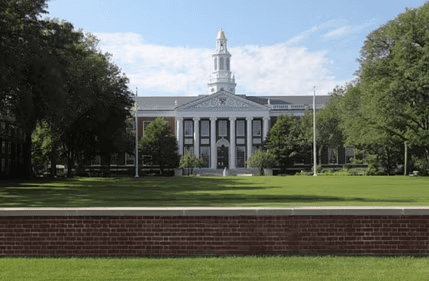
Top Colleges in United States and What to keep in mind | RISE Research
Top Colleges in United States and What to keep in mind | RISE Research
RISE Research
RISE Research
Top Colleges in United States and What to Keep in Mind
TL;DR: Choosing among the top colleges in the United States is one of the most important decisions a high-achieving student will make. This post covers what separates elite universities, what admissions officers actually look for, and how building a research-driven profile through programs like RISE Research can give you a measurable edge. The Summer 2026 Cohort Priority Deadline is approaching soon. Schedule your consultation now.
Every year, hundreds of thousands of students compete for seats at the top colleges in the United States. The acceptance rates keep dropping. The profiles of admitted students keep rising. And the question every ambitious student and parent asks is the same: what does it actually take to get in? The answer is more specific than most students realize. It is not just grades. It is not just test scores. It is a combination of demonstrated intellectual depth, original achievement, and a profile that signals what you will contribute to a campus community. This post breaks down what you need to know, what admissions committees actually value, and how to position yourself before you apply.
What Makes a College "Top Tier" in the United States?
A top-tier college in the United States is one that consistently produces graduates who lead in research, industry, government, and the arts. These schools combine rigorous academics, access to world-class faculty, strong alumni networks, and resources that accelerate student outcomes well beyond graduation.
The most recognized grouping is the Ivy League, which includes Harvard, Yale, Princeton, Columbia, Penn, Cornell, Dartmouth, and Brown. Beyond the Ivy League, institutions like MIT, Stanford, University of Chicago, Duke, Johns Hopkins, Northwestern, and Caltech consistently rank among the most selective and impactful universities in the world.
Rankings from sources like U.S. News and World Report and Times Higher Education measure factors including academic reputation, faculty resources, graduation rates, and research output. These rankings are imperfect, but they reflect real differences in opportunity and outcomes.
Selectivity is one signal of a school's standing. Stanford's overall acceptance rate sits at around 3.68%. UPenn's is under 5%. These numbers make clear that gaining admission requires more than academic excellence alone.
What Do Top U.S. Colleges Actually Look For?
Top U.S. colleges look for students who demonstrate intellectual curiosity, original thinking, and a clear sense of purpose. Grades and test scores establish a baseline, but admissions officers spend the most time evaluating what a student has done with their ability outside the classroom.
The University of Chicago's admissions team describes their ideal applicant as someone who pursues ideas with genuine passion, not just someone who collects achievements. Harvard's admissions office has stated publicly that they seek students who will contribute to the intellectual and social life of the campus.
What does that look like in practice? It looks like a student who has gone deep into a subject, produced something original, and can articulate why it matters. Research publications, award-winning projects, and recognized academic contributions are among the strongest signals a student can send. Our post on what top U.S. colleges look for in applications goes deeper on the traits that most students overlook.
Test scores still matter. The ACT and SAT provide a standardized baseline that colleges use to compare students across different school systems. But at the most selective schools, nearly every applicant has near-perfect scores. The differentiator is almost always the depth of the student's profile beyond those numbers.
How Does Research Give You an Admissions Edge?
Original academic research is one of the most powerful differentiators a high school student can add to a college application. It signals intellectual maturity, the ability to contribute to a field, and the drive to pursue knowledge beyond what any classroom requires.
At RISE Research, we have seen this effect directly. When we track the outcomes of RISE Scholars, the data is consistent. Our scholars achieve an 18% acceptance rate at Stanford, compared to the standard 8.7%. At UPenn, RISE Scholars are accepted at a 32% rate, compared to the standard 3.8%. Overall, RISE Scholars are accepted to Top 10 universities at 3x the standard rate.
These outcomes are not accidental. They reflect what happens when a student completes a structured, mentored research project under a PhD-level expert, publishes their findings in a recognized academic journal, and enters the application process with a body of original work that admissions officers can verify and evaluate. Our scholar results page documents these outcomes in full.
Research also connects directly to what colleges value. A student who has published in a peer-reviewed journal has already demonstrated the kind of intellectual contribution that top universities exist to cultivate. That student is not just promising. They are already producing.
Which Top Colleges Are the Best Fit for Research-Focused Students?
Research-focused students thrive at universities that integrate undergraduate students into active research programs from the first year. Several institutions stand out for this commitment.
MIT is the global leader in applied science and engineering research. Its Undergraduate Research Opportunities Program (UROP) gives students access to faculty labs from day one.
Stanford combines research depth with interdisciplinary flexibility. Its proximity to Silicon Valley adds a layer of real-world application that few campuses can match.
Johns Hopkins has long been recognized as a leader in undergraduate research, particularly in the natural sciences and biomedical fields. According to Johns Hopkins, the university invests over $2.8 billion annually in research.
University of Chicago is known for its rigorous intellectual culture and its emphasis on original thought across all disciplines, from economics to philosophy to physics.
Princeton requires all undergraduates to complete a senior thesis, making original research a graduation requirement, not just an extracurricular option.
For international students considering these schools, our guide on applying to Ivy League colleges as an international student covers the specific factors that affect your application from outside the U.S.
What Should You Keep in Mind When Comparing Top Colleges?
Comparing top colleges in the United States requires looking beyond rankings. The best school for you is the one that aligns with your academic goals, research interests, and learning style.
Consider these factors carefully:
Research opportunities: Does the school offer undergraduate research programs in your field? Can you access faculty labs as a first-year student?
Class size and access to faculty: Smaller schools and programs often provide more direct mentorship. Large research universities offer more resources but can feel less personal.
Financial aid: Several top schools, including Harvard, Yale, Princeton, and MIT, meet 100% of demonstrated financial need. Our post on colleges with strong financial aid packages highlights options that many students miss.
Location and industry access: Boston, New York, and the San Francisco Bay Area offer unmatched access to research institutions, companies, and professional networks.
Curriculum structure: Some schools, like Chicago and Columbia, require a core curriculum. Others, like Brown, offer an open curriculum. Your preference here matters more than most students expect.
Also consider the difference between early decision and regular decision timelines. Early decision acceptance rates at many top schools are significantly higher than regular decision rates. Our breakdown of colleges with the highest early decision acceptance rates can help you plan your application strategy.
Does a "Spike" Matter More Than a Balanced Profile?
A "spike" is a deep, demonstrated area of expertise or achievement in one specific domain. At the most selective colleges, a spike almost always outperforms a balanced profile of many moderate achievements.
Admissions officers at top schools are not looking for students who are good at everything. They are building a class of students who are exceptional at something specific. A student who has published original research in computational biology carries a much stronger signal than a student who has done a little of everything without going deep in any area.
This is why building a research-driven spike is one of the most effective strategies available to high school students today. Our post on what a spike is and why top colleges love it explains this concept in detail and gives examples from real applicants.
RISE Research is designed specifically to help students build this kind of spike. Through a structured, 1-on-1 mentorship program, students work with PhD mentors from Ivy League and Oxbridge institutions to design and complete original research projects. Our network includes 199+ PhD mentors, and our scholars have published in 40+ academic journals. The result is a verifiable, credible body of work that demonstrates exactly the kind of depth top colleges are looking for. You can explore our full mentor network to see the range of expertise available.
How Does RISE Research Prepare Students for Top Colleges?
RISE Research prepares students for top colleges by giving them the tools, mentorship, and credentials to stand out in the most competitive applicant pools in the world.
The program follows a structured, week-by-week process. Students identify a research question, develop a methodology, collect and analyze data, and write a publication-ready paper, all under the direct guidance of a PhD mentor. Our 90% publication success rate reflects the quality of that process. You can view the full range of completed student projects on our research projects page.
RISE Scholars do not just publish. They win awards, present at conferences, and earn recognition that extends well beyond a single application cycle. These outcomes build the kind of profile that admissions officers at MIT, Stanford, Princeton, and the Ivy League actively seek. You can see the awards our scholars have earned on the RISE awards page.
For students comparing research programs against other options, our analysis of research versus internships in college admissions provides a clear, data-backed comparison.
Your Next Step Toward a Top U.S. College
The top colleges in the United States are looking for students who have already begun to contribute. They want to admit scholars, not just students. Building that profile takes time, mentorship, and a structured path to original achievement.
Three things to take away from this post. First, selectivity at top schools is real and rising. A strong academic record is necessary but not sufficient. Second, original research is one of the most powerful ways to differentiate your application, and the outcomes for RISE Scholars prove it. Third, the window to build this profile before you apply is shorter than most students think.
The Summer 2026 Cohort is now open. The Priority Admission Deadline is approaching soon. Seats are limited and the program is selective. Schedule your consultation today and take the first step toward the profile that top colleges are looking for.
Frequently Asked Questions
What are the top colleges in the United States for research-focused students?
The top colleges for research-focused students include MIT, Stanford, Johns Hopkins, Princeton, University of Chicago, Harvard, and Yale. Each of these schools integrates undergraduates into active research programs and values original intellectual contributions in the admissions process. MIT's UROP program and Princeton's senior thesis requirement are among the strongest examples of this commitment.
What do admissions officers at top U.S. colleges look for beyond grades and test scores?
Admissions officers look for evidence of intellectual depth, original achievement, and a clear sense of purpose. Students who have published research, won academic awards, or demonstrated expertise in a specific field carry a much stronger application than students who rely on grades and activities alone. Our post on hidden traits top colleges look for covers this in detail.
How much does original research improve college admissions outcomes?
The data from RISE Research is clear. RISE Scholars achieve an 18% acceptance rate at Stanford versus the standard 8.7%, and a 32% acceptance rate at UPenn versus the standard 3.8%. Overall, RISE Scholars are accepted to Top 10 universities at 3x the standard rate. These outcomes reflect the direct impact of a verified, publication-level research profile on admissions decisions.
Is RISE Research suitable for international students applying to U.S. colleges?
Yes. RISE Research is a global program and has helped students from dozens of countries build competitive profiles for U.S. university admissions. International students face unique admissions challenges, and a published research credential is one of the most universally recognized signals of academic ability. Our guide on applying to Ivy League colleges as an international student addresses the specific considerations for international applicants.
What is the deadline to apply for the RISE Research Summer 2026 Cohort?
The Priority Admission Deadline for the Summer 2026 Cohort is approaching soon, 2026 at 11:59 PM PST. RISE Research is a selective program with limited seats in each cohort. Students who apply by the priority deadline receive first consideration for placement with a PhD mentor in their field of interest. Schedule a consultation to begin the application process.
Top Colleges in United States and What to Keep in Mind
TL;DR: Choosing among the top colleges in the United States is one of the most important decisions a high-achieving student will make. This post covers what separates elite universities, what admissions officers actually look for, and how building a research-driven profile through programs like RISE Research can give you a measurable edge. The Summer 2026 Cohort Priority Deadline is approaching soon. Schedule your consultation now.
Every year, hundreds of thousands of students compete for seats at the top colleges in the United States. The acceptance rates keep dropping. The profiles of admitted students keep rising. And the question every ambitious student and parent asks is the same: what does it actually take to get in? The answer is more specific than most students realize. It is not just grades. It is not just test scores. It is a combination of demonstrated intellectual depth, original achievement, and a profile that signals what you will contribute to a campus community. This post breaks down what you need to know, what admissions committees actually value, and how to position yourself before you apply.
What Makes a College "Top Tier" in the United States?
A top-tier college in the United States is one that consistently produces graduates who lead in research, industry, government, and the arts. These schools combine rigorous academics, access to world-class faculty, strong alumni networks, and resources that accelerate student outcomes well beyond graduation.
The most recognized grouping is the Ivy League, which includes Harvard, Yale, Princeton, Columbia, Penn, Cornell, Dartmouth, and Brown. Beyond the Ivy League, institutions like MIT, Stanford, University of Chicago, Duke, Johns Hopkins, Northwestern, and Caltech consistently rank among the most selective and impactful universities in the world.
Rankings from sources like U.S. News and World Report and Times Higher Education measure factors including academic reputation, faculty resources, graduation rates, and research output. These rankings are imperfect, but they reflect real differences in opportunity and outcomes.
Selectivity is one signal of a school's standing. Stanford's overall acceptance rate sits at around 3.68%. UPenn's is under 5%. These numbers make clear that gaining admission requires more than academic excellence alone.
What Do Top U.S. Colleges Actually Look For?
Top U.S. colleges look for students who demonstrate intellectual curiosity, original thinking, and a clear sense of purpose. Grades and test scores establish a baseline, but admissions officers spend the most time evaluating what a student has done with their ability outside the classroom.
The University of Chicago's admissions team describes their ideal applicant as someone who pursues ideas with genuine passion, not just someone who collects achievements. Harvard's admissions office has stated publicly that they seek students who will contribute to the intellectual and social life of the campus.
What does that look like in practice? It looks like a student who has gone deep into a subject, produced something original, and can articulate why it matters. Research publications, award-winning projects, and recognized academic contributions are among the strongest signals a student can send. Our post on what top U.S. colleges look for in applications goes deeper on the traits that most students overlook.
Test scores still matter. The ACT and SAT provide a standardized baseline that colleges use to compare students across different school systems. But at the most selective schools, nearly every applicant has near-perfect scores. The differentiator is almost always the depth of the student's profile beyond those numbers.
How Does Research Give You an Admissions Edge?
Original academic research is one of the most powerful differentiators a high school student can add to a college application. It signals intellectual maturity, the ability to contribute to a field, and the drive to pursue knowledge beyond what any classroom requires.
At RISE Research, we have seen this effect directly. When we track the outcomes of RISE Scholars, the data is consistent. Our scholars achieve an 18% acceptance rate at Stanford, compared to the standard 8.7%. At UPenn, RISE Scholars are accepted at a 32% rate, compared to the standard 3.8%. Overall, RISE Scholars are accepted to Top 10 universities at 3x the standard rate.
These outcomes are not accidental. They reflect what happens when a student completes a structured, mentored research project under a PhD-level expert, publishes their findings in a recognized academic journal, and enters the application process with a body of original work that admissions officers can verify and evaluate. Our scholar results page documents these outcomes in full.
Research also connects directly to what colleges value. A student who has published in a peer-reviewed journal has already demonstrated the kind of intellectual contribution that top universities exist to cultivate. That student is not just promising. They are already producing.
Which Top Colleges Are the Best Fit for Research-Focused Students?
Research-focused students thrive at universities that integrate undergraduate students into active research programs from the first year. Several institutions stand out for this commitment.
MIT is the global leader in applied science and engineering research. Its Undergraduate Research Opportunities Program (UROP) gives students access to faculty labs from day one.
Stanford combines research depth with interdisciplinary flexibility. Its proximity to Silicon Valley adds a layer of real-world application that few campuses can match.
Johns Hopkins has long been recognized as a leader in undergraduate research, particularly in the natural sciences and biomedical fields. According to Johns Hopkins, the university invests over $2.8 billion annually in research.
University of Chicago is known for its rigorous intellectual culture and its emphasis on original thought across all disciplines, from economics to philosophy to physics.
Princeton requires all undergraduates to complete a senior thesis, making original research a graduation requirement, not just an extracurricular option.
For international students considering these schools, our guide on applying to Ivy League colleges as an international student covers the specific factors that affect your application from outside the U.S.
What Should You Keep in Mind When Comparing Top Colleges?
Comparing top colleges in the United States requires looking beyond rankings. The best school for you is the one that aligns with your academic goals, research interests, and learning style.
Consider these factors carefully:
Research opportunities: Does the school offer undergraduate research programs in your field? Can you access faculty labs as a first-year student?
Class size and access to faculty: Smaller schools and programs often provide more direct mentorship. Large research universities offer more resources but can feel less personal.
Financial aid: Several top schools, including Harvard, Yale, Princeton, and MIT, meet 100% of demonstrated financial need. Our post on colleges with strong financial aid packages highlights options that many students miss.
Location and industry access: Boston, New York, and the San Francisco Bay Area offer unmatched access to research institutions, companies, and professional networks.
Curriculum structure: Some schools, like Chicago and Columbia, require a core curriculum. Others, like Brown, offer an open curriculum. Your preference here matters more than most students expect.
Also consider the difference between early decision and regular decision timelines. Early decision acceptance rates at many top schools are significantly higher than regular decision rates. Our breakdown of colleges with the highest early decision acceptance rates can help you plan your application strategy.
Does a "Spike" Matter More Than a Balanced Profile?
A "spike" is a deep, demonstrated area of expertise or achievement in one specific domain. At the most selective colleges, a spike almost always outperforms a balanced profile of many moderate achievements.
Admissions officers at top schools are not looking for students who are good at everything. They are building a class of students who are exceptional at something specific. A student who has published original research in computational biology carries a much stronger signal than a student who has done a little of everything without going deep in any area.
This is why building a research-driven spike is one of the most effective strategies available to high school students today. Our post on what a spike is and why top colleges love it explains this concept in detail and gives examples from real applicants.
RISE Research is designed specifically to help students build this kind of spike. Through a structured, 1-on-1 mentorship program, students work with PhD mentors from Ivy League and Oxbridge institutions to design and complete original research projects. Our network includes 199+ PhD mentors, and our scholars have published in 40+ academic journals. The result is a verifiable, credible body of work that demonstrates exactly the kind of depth top colleges are looking for. You can explore our full mentor network to see the range of expertise available.
How Does RISE Research Prepare Students for Top Colleges?
RISE Research prepares students for top colleges by giving them the tools, mentorship, and credentials to stand out in the most competitive applicant pools in the world.
The program follows a structured, week-by-week process. Students identify a research question, develop a methodology, collect and analyze data, and write a publication-ready paper, all under the direct guidance of a PhD mentor. Our 90% publication success rate reflects the quality of that process. You can view the full range of completed student projects on our research projects page.
RISE Scholars do not just publish. They win awards, present at conferences, and earn recognition that extends well beyond a single application cycle. These outcomes build the kind of profile that admissions officers at MIT, Stanford, Princeton, and the Ivy League actively seek. You can see the awards our scholars have earned on the RISE awards page.
For students comparing research programs against other options, our analysis of research versus internships in college admissions provides a clear, data-backed comparison.
Your Next Step Toward a Top U.S. College
The top colleges in the United States are looking for students who have already begun to contribute. They want to admit scholars, not just students. Building that profile takes time, mentorship, and a structured path to original achievement.
Three things to take away from this post. First, selectivity at top schools is real and rising. A strong academic record is necessary but not sufficient. Second, original research is one of the most powerful ways to differentiate your application, and the outcomes for RISE Scholars prove it. Third, the window to build this profile before you apply is shorter than most students think.
The Summer 2026 Cohort is now open. The Priority Admission Deadline is approaching soon. Seats are limited and the program is selective. Schedule your consultation today and take the first step toward the profile that top colleges are looking for.
Frequently Asked Questions
What are the top colleges in the United States for research-focused students?
The top colleges for research-focused students include MIT, Stanford, Johns Hopkins, Princeton, University of Chicago, Harvard, and Yale. Each of these schools integrates undergraduates into active research programs and values original intellectual contributions in the admissions process. MIT's UROP program and Princeton's senior thesis requirement are among the strongest examples of this commitment.
What do admissions officers at top U.S. colleges look for beyond grades and test scores?
Admissions officers look for evidence of intellectual depth, original achievement, and a clear sense of purpose. Students who have published research, won academic awards, or demonstrated expertise in a specific field carry a much stronger application than students who rely on grades and activities alone. Our post on hidden traits top colleges look for covers this in detail.
How much does original research improve college admissions outcomes?
The data from RISE Research is clear. RISE Scholars achieve an 18% acceptance rate at Stanford versus the standard 8.7%, and a 32% acceptance rate at UPenn versus the standard 3.8%. Overall, RISE Scholars are accepted to Top 10 universities at 3x the standard rate. These outcomes reflect the direct impact of a verified, publication-level research profile on admissions decisions.
Is RISE Research suitable for international students applying to U.S. colleges?
Yes. RISE Research is a global program and has helped students from dozens of countries build competitive profiles for U.S. university admissions. International students face unique admissions challenges, and a published research credential is one of the most universally recognized signals of academic ability. Our guide on applying to Ivy League colleges as an international student addresses the specific considerations for international applicants.
What is the deadline to apply for the RISE Research Summer 2026 Cohort?
The Priority Admission Deadline for the Summer 2026 Cohort is approaching soon, 2026 at 11:59 PM PST. RISE Research is a selective program with limited seats in each cohort. Students who apply by the priority deadline receive first consideration for placement with a PhD mentor in their field of interest. Schedule a consultation to begin the application process.
Fall 2026 Cohort Deadline Closing on 15th September
Book a free 20-min strategy call
Book a free 20-min strategy call
Read More