>
>
>
Microbiology Research Project Ideas for High School Students
Microbiology Research Project Ideas for High School Students
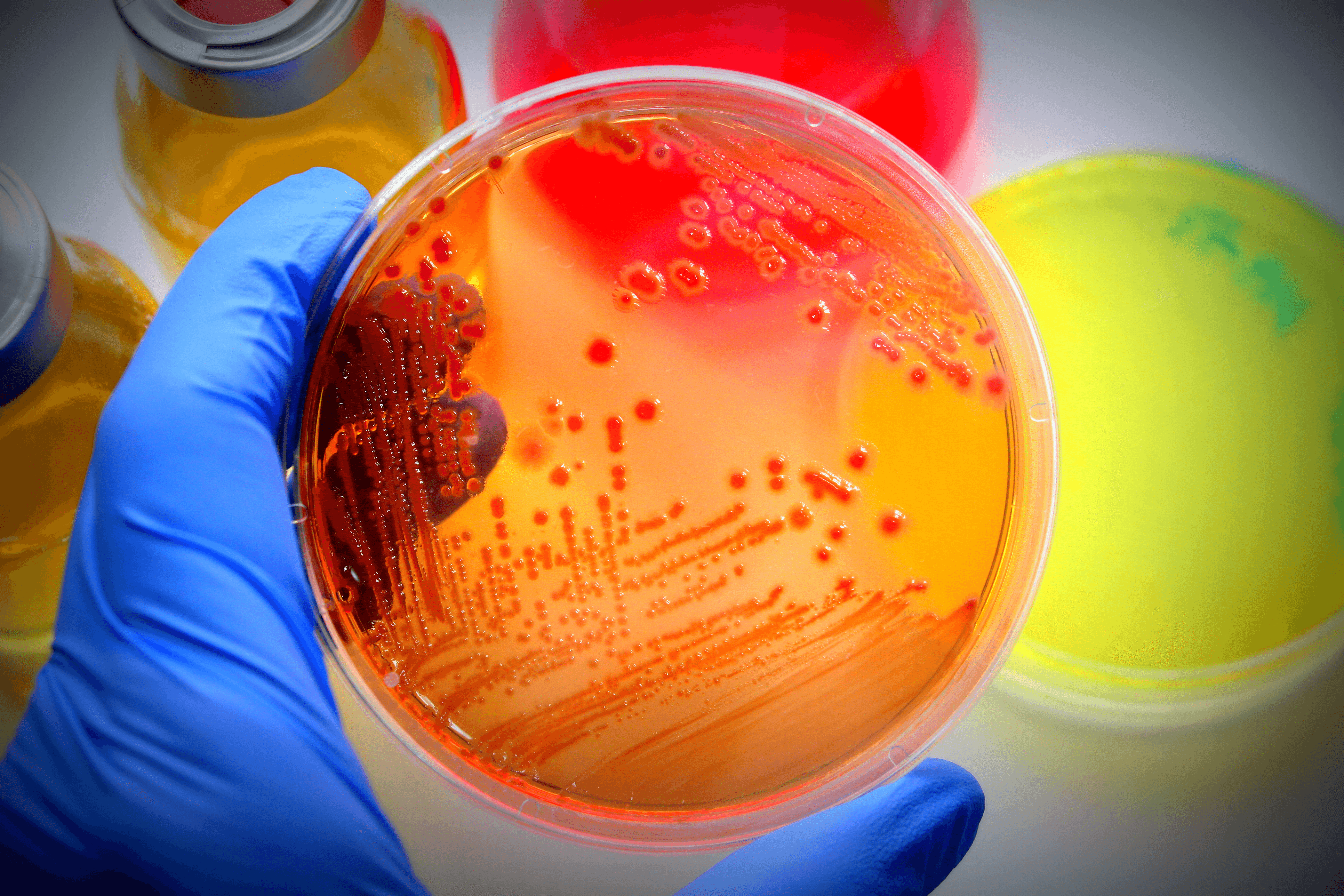
Microbiology Research Project Ideas for High School Students | RISE Research
Microbiology Research Project Ideas for High School Students | RISE Research
RISE Research
RISE Research
TL;DR: Microbiology research project ideas for high school students range from antibiotic resistance surveys to microbiome analysis using publicly available datasets. A publishable project differs from a classroom assignment by having a specific research question, an accessible method, and an original finding. Students who want expert mentorship to turn one of these ideas into a peer-reviewed paper should know that our deadline is closing soon.
Why Microbiology Is One of the Strongest Fields for High School Research
Microbiology research project ideas for high school students are more accessible than most students realise. The field is full of genuinely open questions: How do local bacterial populations respond to antibiotic exposure? What microbial communities exist in everyday environments? How does handwashing behaviour affect pathogen transmission in schools? These are not textbook questions. They are active areas of scientific inquiry, and motivated students can contribute real findings.
Microbiology also offers methods that do not require a university lab. Survey-based studies, secondary data analysis, and publicly available genomic databases all open the door to original research. Many meaningful projects use nothing more than structured observation, publicly available datasets from the NCBI or CDC, or a basic school lab with agar plates.
The problem most students face is scope. Topics like "antibiotic resistance" or "the human microbiome" are too broad to execute. A project that tries to cover everything contributes nothing. The result is a report that impresses a biology teacher but cannot be submitted anywhere meaningful.
RISE Research helps students find the precise research question within microbiology that is specific enough to execute, original enough to publish, and matched to their exact skill level and available resources.
What Makes a Good Microbiology Research Project for a High School Student?
Answer Capsule: A strong, publishable microbiology project has three qualities: a research question narrow enough to answer in 8 to 12 weeks, a method accessible without clinical equipment (such as secondary data analysis, structured surveys, or basic culturing), and a finding that adds something new, however small, to the existing literature. RISE Research helps students achieve all three.
"Narrow enough" in microbiology means geographic, demographic, or environmental specificity. A study of antibiotic resistance in a single school cafeteria environment is narrower and more publishable than a general survey of antibiotic resistance trends. A comparison of hand sanitiser efficacy between two specific formulations in a controlled school setting is more publishable than a broad review of hand hygiene.
Accessible methods in microbiology include secondary data analysis using NCBI GenBank, the CDC's NARMS (National Antimicrobial Resistance Monitoring System) database, or the Human Microbiome Project dataset. Basic culturing and colony counting are feasible in a school lab. Structured surveys and systematic literature reviews require no lab at all.
An original contribution at the high school level does not mean discovering a new organism. It means applying a known method to a new population, location, or variable. For example: "The effects of diet on gut bacteria" is too broad. "The association between reported fibre intake and Bifidobacterium prevalence in adolescents aged 14 to 17, using self-report dietary logs and publicly available microbiome data" is publishable. The second question is specific, testable, and original.
What Are the Best Microbiology Research Project Ideas for High School Students?
Answer Capsule: The strongest areas for high school microbiology research are antibiotic resistance, environmental microbiology, and human microbiome studies. These areas have open questions, accessible data sources, and appropriate journals. RISE Research has specialist mentors in each of these areas who have guided students to publication in peer-reviewed journals.
1. How does the prevalence of antibiotic-resistant bacteria on school doorknobs compare between high-traffic and low-traffic areas?
This project uses basic agar plate culturing and antibiotic disk diffusion, both feasible in a school biology lab. Students swab surfaces, culture samples, and test resistance to common antibiotics. Results can be compared across locations within the same building. This type of environmental resistance study is well suited to journals such as the Journal of Microbiology and Biology Education. A RISE mentor in microbiology can help design a controlled protocol that meets publication standards.
2. What is the relationship between reported handwashing frequency and self-reported illness rates among high school students during flu season?
This survey-based project requires no lab access. Students design and distribute a validated questionnaire, then analyse the correlation between hygiene behaviour and illness frequency. The CDC's published data on influenza transmission can serve as a comparison benchmark. Public health journals targeting student researchers, such as Cureus, accept this type of observational study. A RISE mentor will help structure the survey instrument and statistical analysis correctly.
3. How do different concentrations of ethanol in hand sanitiser affect Escherichia coli colony growth in a controlled school lab setting?
This experimental project uses basic culturing techniques and is feasible with school lab resources. Students prepare dilutions of ethanol-based sanitiser and measure inhibition zones on E. coli cultures. The method is straightforward, the variable is clearly defined, and the outcome is measurable. The American Biology Teacher and similar journals publish this type of controlled experiment. A RISE mentor can help ensure the experimental design is rigorous enough for peer review.
4. Does the microbial load on reusable water bottles differ significantly based on cleaning method and material type?
Students collect swabs from reusable bottles cleaned by different methods (rinse only, soap wash, dishwasher) and from different materials (plastic, stainless steel, glass). Colony counts and basic identification provide the dataset. This project is self-contained and highly specific. It suits journals focused on applied microbiology and public health at the student level. A RISE mentor can help design a blinded sampling protocol to strengthen the study.
5. How has the reported incidence of Clostridioides difficile infections in the United States changed between 2010 and 2023, and what demographic factors correlate most strongly with that trend?
This is a secondary data analysis project using the CDC's publicly available surveillance data. No lab is needed. Students download annual C. difficile surveillance reports, extract incidence data, and run correlation analyses against demographic variables such as age group and healthcare setting. This type of epidemiological analysis suits journals such as Cureus or PLOS ONE. A RISE mentor in infectious disease epidemiology can guide the statistical approach and framing.
6. What patterns of antimicrobial resistance appear in Salmonella isolates from poultry products in the NARMS dataset between 2015 and 2022?
The CDC's NARMS (National Antimicrobial Resistance Monitoring System) database is publicly available and contains detailed resistance data for foodborne pathogens. Students can download the dataset, filter for Salmonella isolates from retail poultry, and analyse resistance trends over time. This is a Grade 11 to 12 level project that produces a data-driven analysis suitable for PLOS ONE or Frontiers in Microbiology. A RISE mentor can help interpret the resistance phenotype data accurately.
7. How does the bacterial diversity on currency notes vary between high-circulation and low-circulation denominations in a single urban area?
Students collect swabs from banknotes of different denominations, culture samples on nutrient agar, and compare colony diversity and density. The project is geographically specific and the variable is clearly defined. It suits applied microbiology journals at the student level. A RISE mentor can help design the sampling strategy to control for confounding variables such as note age and material.
8. What is the association between reported probiotic supplement use and self-reported gastrointestinal symptom frequency in adolescents aged 14 to 18?
This survey-based project draws on published microbiome literature for context and uses a structured questionnaire as its primary data source. No lab access is required. Students analyse the association between probiotic use and symptom frequency using basic statistical methods. The Human Microbiome Project dataset can provide supporting context. Journals such as Cureus and Journal of Student Research accept this type of observational study. A RISE mentor in microbiome research can help frame the literature review correctly.
9. How do soil bacterial communities differ between organic and conventionally farmed plots within the same geographic region, based on publicly available 16S rRNA sequencing data?
NCBI's Sequence Read Archive contains publicly available 16S rRNA amplicon sequencing datasets from soil microbiome studies. Students can compare published datasets from organic and conventional farms in the same region using free bioinformatics tools such as QIIME2 or MicrobiomeAnalyst. This is a Grade 11 to 12 level project. It suits Frontiers in Microbiology or PLOS ONE. A RISE mentor with bioinformatics expertise can guide the analysis pipeline.
10. Does the presence of biofilm on orthodontic brackets differ between patients who use fluoride mouthwash and those who do not, based on a structured survey and literature synthesis?
This project combines a systematic literature review with a structured survey of orthodontic patients in the student's local area. No lab access is needed. The student synthesises existing biofilm research and adds primary survey data on patient hygiene habits. Dental microbiology journals and student research journals accept this type of mixed-methods study. A RISE mentor can help structure the literature review to meet journal submission standards.
11. How have reported rates of methicillin-resistant Staphylococcus aureus (MRSA) infections in community settings changed in the UK between 2012 and 2022, according to Public Health England surveillance data?
Public Health England (now UKHSA) publishes annual MRSA surveillance reports that are freely accessible online. Students can extract incidence data, identify trends, and analyse correlations with antibiotic prescribing rates using NHS prescribing data. This secondary data project requires no lab access and is suitable for Grade 10 to 12 students. It suits Cureus or the Journal of Hospital Infection student track. A RISE mentor in antimicrobial resistance can help frame the policy implications accurately.
12. What factors predict the likelihood of a high school student correctly identifying symptoms of a urinary tract infection, based on a knowledge survey?
This public health microbiology project uses a structured knowledge survey administered to students at one or more schools. Students analyse predictors of correct identification, such as gender, grade level, and prior health education. It requires no lab access and is feasible for Grade 9 to 10 students. The Journal of Student Research and Cureus publish this type of health literacy study. A RISE mentor can help design a validated survey instrument.
13. How does the growth rate of Saccharomyces cerevisiae change under varying sugar concentrations and temperatures in a controlled school lab experiment?
Baker's yeast (Saccharomyces cerevisiae) is safe, inexpensive, and widely available. Students can measure CO2 production as a proxy for growth rate under controlled conditions, varying sugar concentration and temperature systematically. This is an accessible Grade 9 to 10 experimental project with a clear independent variable and measurable outcome. It suits The American Biology Teacher and similar journals. A RISE mentor can help design the experimental controls and data analysis.
14. What is the relationship between urban green space coverage and reported rates of respiratory infections in major US cities, using CDC surveillance and EPA green space data?
The CDC's FluView and the EPA's EnviroAtlas both provide publicly available datasets. Students can correlate green space coverage in US cities with reported respiratory infection rates over a defined period. This interdisciplinary project sits at the intersection of environmental microbiology and public health. It suits PLOS ONE or Frontiers in Public Health. A RISE mentor can help ensure the statistical correlation is interpreted correctly and not overstated.
15. How does the bacterial contamination level of mobile phones differ between healthcare workers and non-healthcare workers, based on published literature?
This systematic literature review synthesises existing studies on mobile phone contamination across different occupational groups. No lab access is needed. Students identify published studies, extract contamination data, and compare findings across healthcare and non-healthcare populations. This type of systematic review is publishable in Cureus and the Journal of Hospital Infection. A RISE mentor can help structure the review methodology to meet PRISMA reporting standards.
16. What proportion of publicly available 16S rRNA microbiome datasets from the NCBI Sequence Read Archive include adequate metadata for reproducible analysis?
This methodological study uses NCBI's Sequence Read Archive to audit the metadata quality of published microbiome datasets. Students download a sample of datasets, assess them against a defined metadata checklist, and report the proportion that meet reproducibility standards. This is a Grade 11 to 12 level project that contributes to open science discourse. It suits GigaScience or PLOS ONE. A RISE mentor with bioinformatics experience can guide the audit framework.
17. How do reported rates of food poisoning from Campylobacter in the UK vary by season and region, according to UKHSA surveillance data from 2015 to 2023?
UKHSA publishes detailed Campylobacter surveillance data broken down by region and quarter. Students can download these datasets, map seasonal and regional variation, and analyse correlations with temperature or agricultural density data. This secondary data project requires no lab access and is suitable for Grade 10 to 12 students. It suits Epidemiology and Infection or Cureus. A RISE mentor in food microbiology can help frame the analysis within current public health literature.
How Do You Turn a Microbiology Research Project Idea into a Published Paper?
Answer Capsule: Four steps produce a publishable microbiology paper: narrow the idea to a specific research question, choose an accessible method (survey, secondary data analysis, or basic culturing), collect and analyse data using real sources such as NCBI or CDC databases, then write and submit to an appropriate journal. RISE Research guides students through all four steps in a 10-week 1-on-1 programme with a specialist microbiology mentor.
Step 1: Narrow the idea. A researchable question in microbiology names a specific organism or microbial community, a specific population or environment, and a specific variable. "Antibiotic resistance in bacteria" is not researchable. "The prevalence of ampicillin-resistant E. coli on cafeteria surfaces in a single school, compared across three surface types" is researchable. Most students spend weeks circling broad topics. A mentor helps cut through that and land on the right question in the first session.
Step 2: Choose the right method. The most common methods for high school microbiology research are secondary data analysis (using NCBI, CDC NARMS, or UKHSA databases), structured surveys for public health microbiology questions, basic culturing and disk diffusion for experimental projects, and systematic literature reviews. Each method has a different timeline and skill requirement. A RISE mentor matches the method to the student's resources and timeline.
Step 3: Collect and analyse. Key publicly available data sources for microbiology include NCBI GenBank and the Sequence Read Archive, the CDC's NARMS database, UKHSA surveillance reports, the Human Microbiome Project dataset, and the EPA's EnviroAtlas. For experimental projects, school labs provide sufficient resources for culturing, colony counting, and basic disk diffusion. A RISE mentor will identify the exact dataset or protocol appropriate for the student's specific question.
Step 4: Write and submit. Microbiology journals value precise methods sections, accurate organism nomenclature, and honest discussion of limitations. A RISE mentor reviews every draft before submission and helps students identify the right journal for their specific paper. You can explore RISE scholar publications to see the range of journals where students have been published.
RISE Research pairs students with a specialist mentor in microbiology who guides every step of this process. Our deadline is closing soon. Book a free Research Assessment to find out whether your idea is ready to develop.
RISE Research mentors specialise in microbiology and have guided students to publication in peer-reviewed journals. Our deadline is closing soon. Book a free Research Assessment to find out what is achievable in your timeline.
What Journals Publish Microbiology Research from High School Students?
Answer Capsule: The most appropriate journals for high school microbiology research are Cureus, PLOS ONE, the Journal of Student Research, and The American Biology Teacher. At least two of these are free to submit to and indexed in major databases. RISE Research has a 90% publication success rate and mentors who identify the right journal for each student's specific paper.
Cureus (https://www.cureus.com) covers clinical and applied microbiology, public health, and infectious disease. It is open access, free to submit for student authors in many cases, and indexed in PubMed Central. It accepts case reports, observational studies, and systematic reviews from student authors. Selectivity varies by article type.
PLOS ONE (https://journals.plos.org/plosone) covers all areas of microbiology and biological science. It is fully open access and indexed in PubMed and Scopus. PLOS ONE accepts rigorous secondary data analyses and experimental studies. It has an article processing charge, but fee waivers are available for students in many countries.
Journal of Student Research (https://www.jofsr.org) is specifically designed for high school and undergraduate researchers. It is free to submit, peer-reviewed, and indexed. It covers biology, microbiology, and public health. Acceptance rates are competitive but achievable with a well-designed study.
The American Biology Teacher (https://online.ucpress.edu/abt) publishes educational and experimental biology research, including microbiology experiments conducted in school lab settings. It is indexed and peer-reviewed. It is particularly suited to experimental projects using school lab resources.
RISE Research has a 90% publication success rate across 40 or more peer-reviewed journals. A RISE mentor in microbiology will help you identify the right journal for your specific paper. Explore RISE scholar publications to see examples across these journals.
Frequently Asked Questions about Microbiology Research Projects for High School Students
Can a high school student publish original microbiology research?
Yes. RISE Research has helped high school students publish in peer-reviewed journals including Cureus, PLOS ONE, and the Journal of Student Research. The key is choosing a specific, feasible research question and following a rigorous method. Students do not need a university affiliation to publish. They need a well-designed study, accurate analysis, and a mentor who knows the submission process.
Do I need lab access or special equipment to do microbiology research?
No. Many publishable microbiology projects use publicly available datasets from NCBI, the CDC, or UKHSA. Survey-based public health studies and systematic literature reviews require no lab at all. For experimental projects, a standard school biology lab with agar plates and basic culturing equipment is sufficient for several of the project ideas listed above.
How long does a microbiology research project take to complete?
Most high school microbiology research projects take 8 to 12 weeks from finalising the research question to submitting a first draft. Secondary data analysis projects can move faster. Experimental projects depend on culturing time and data collection logistics. RISE Research operates a 10-week 1-on-1 programme that keeps students on a structured timeline from question to submission.
What microbiology research topics are most likely to get published?
Topics with a specific, narrow research question and an accessible, reproducible method are most likely to reach publication. Antibiotic resistance studies using publicly available surveillance data, environmental microbiology surveys, and systematic reviews of existing literature consistently perform well. Avoid topics that require clinical trials, animal testing, or access to restricted biological samples.
How does RISE Research help students with microbiology projects?
RISE Research pairs each student with a 1-on-1 specialist mentor in microbiology. The mentor guides every stage: narrowing the research question, designing the method, analysing data, writing the paper, and selecting the right journal. RISE has a 90% publication success rate and a 10-week programme structure that keeps students on track. Our deadline is closing soon. Book a free Research Assessment to get started.
Start Your Microbiology Research Project with RISE
Three things matter most when choosing a microbiology research project. First, the research question must be specific enough to answer with the resources you have. Second, the method must be accessible without clinical equipment or university affiliation. Third, the finding must add something new, however small, to the existing literature. These are not impossible standards. They are exactly what separates a project that gets published from one that stays in a folder.
RISE Research is the first programme a student should consider when turning a microbiology interest into a published paper. With specialist mentors, a 90% publication success rate, and a structured 10-week programme, RISE gives students the guidance that makes the difference. You can explore RISE admissions outcomes and RISE mentors to see what is achievable. For more ideas across disciplines, visit unique research ideas for high school students.
Our deadline is closing soon. If you are a high school student with an interest in microbiology and want to turn that into a peer-reviewed published paper, schedule a free Research Assessment and
TL;DR: Microbiology research project ideas for high school students range from antibiotic resistance surveys to microbiome analysis using publicly available datasets. A publishable project differs from a classroom assignment by having a specific research question, an accessible method, and an original finding. Students who want expert mentorship to turn one of these ideas into a peer-reviewed paper should know that our deadline is closing soon.
Why Microbiology Is One of the Strongest Fields for High School Research
Microbiology research project ideas for high school students are more accessible than most students realise. The field is full of genuinely open questions: How do local bacterial populations respond to antibiotic exposure? What microbial communities exist in everyday environments? How does handwashing behaviour affect pathogen transmission in schools? These are not textbook questions. They are active areas of scientific inquiry, and motivated students can contribute real findings.
Microbiology also offers methods that do not require a university lab. Survey-based studies, secondary data analysis, and publicly available genomic databases all open the door to original research. Many meaningful projects use nothing more than structured observation, publicly available datasets from the NCBI or CDC, or a basic school lab with agar plates.
The problem most students face is scope. Topics like "antibiotic resistance" or "the human microbiome" are too broad to execute. A project that tries to cover everything contributes nothing. The result is a report that impresses a biology teacher but cannot be submitted anywhere meaningful.
RISE Research helps students find the precise research question within microbiology that is specific enough to execute, original enough to publish, and matched to their exact skill level and available resources.
What Makes a Good Microbiology Research Project for a High School Student?
Answer Capsule: A strong, publishable microbiology project has three qualities: a research question narrow enough to answer in 8 to 12 weeks, a method accessible without clinical equipment (such as secondary data analysis, structured surveys, or basic culturing), and a finding that adds something new, however small, to the existing literature. RISE Research helps students achieve all three.
"Narrow enough" in microbiology means geographic, demographic, or environmental specificity. A study of antibiotic resistance in a single school cafeteria environment is narrower and more publishable than a general survey of antibiotic resistance trends. A comparison of hand sanitiser efficacy between two specific formulations in a controlled school setting is more publishable than a broad review of hand hygiene.
Accessible methods in microbiology include secondary data analysis using NCBI GenBank, the CDC's NARMS (National Antimicrobial Resistance Monitoring System) database, or the Human Microbiome Project dataset. Basic culturing and colony counting are feasible in a school lab. Structured surveys and systematic literature reviews require no lab at all.
An original contribution at the high school level does not mean discovering a new organism. It means applying a known method to a new population, location, or variable. For example: "The effects of diet on gut bacteria" is too broad. "The association between reported fibre intake and Bifidobacterium prevalence in adolescents aged 14 to 17, using self-report dietary logs and publicly available microbiome data" is publishable. The second question is specific, testable, and original.
What Are the Best Microbiology Research Project Ideas for High School Students?
Answer Capsule: The strongest areas for high school microbiology research are antibiotic resistance, environmental microbiology, and human microbiome studies. These areas have open questions, accessible data sources, and appropriate journals. RISE Research has specialist mentors in each of these areas who have guided students to publication in peer-reviewed journals.
1. How does the prevalence of antibiotic-resistant bacteria on school doorknobs compare between high-traffic and low-traffic areas?
This project uses basic agar plate culturing and antibiotic disk diffusion, both feasible in a school biology lab. Students swab surfaces, culture samples, and test resistance to common antibiotics. Results can be compared across locations within the same building. This type of environmental resistance study is well suited to journals such as the Journal of Microbiology and Biology Education. A RISE mentor in microbiology can help design a controlled protocol that meets publication standards.
2. What is the relationship between reported handwashing frequency and self-reported illness rates among high school students during flu season?
This survey-based project requires no lab access. Students design and distribute a validated questionnaire, then analyse the correlation between hygiene behaviour and illness frequency. The CDC's published data on influenza transmission can serve as a comparison benchmark. Public health journals targeting student researchers, such as Cureus, accept this type of observational study. A RISE mentor will help structure the survey instrument and statistical analysis correctly.
3. How do different concentrations of ethanol in hand sanitiser affect Escherichia coli colony growth in a controlled school lab setting?
This experimental project uses basic culturing techniques and is feasible with school lab resources. Students prepare dilutions of ethanol-based sanitiser and measure inhibition zones on E. coli cultures. The method is straightforward, the variable is clearly defined, and the outcome is measurable. The American Biology Teacher and similar journals publish this type of controlled experiment. A RISE mentor can help ensure the experimental design is rigorous enough for peer review.
4. Does the microbial load on reusable water bottles differ significantly based on cleaning method and material type?
Students collect swabs from reusable bottles cleaned by different methods (rinse only, soap wash, dishwasher) and from different materials (plastic, stainless steel, glass). Colony counts and basic identification provide the dataset. This project is self-contained and highly specific. It suits journals focused on applied microbiology and public health at the student level. A RISE mentor can help design a blinded sampling protocol to strengthen the study.
5. How has the reported incidence of Clostridioides difficile infections in the United States changed between 2010 and 2023, and what demographic factors correlate most strongly with that trend?
This is a secondary data analysis project using the CDC's publicly available surveillance data. No lab is needed. Students download annual C. difficile surveillance reports, extract incidence data, and run correlation analyses against demographic variables such as age group and healthcare setting. This type of epidemiological analysis suits journals such as Cureus or PLOS ONE. A RISE mentor in infectious disease epidemiology can guide the statistical approach and framing.
6. What patterns of antimicrobial resistance appear in Salmonella isolates from poultry products in the NARMS dataset between 2015 and 2022?
The CDC's NARMS (National Antimicrobial Resistance Monitoring System) database is publicly available and contains detailed resistance data for foodborne pathogens. Students can download the dataset, filter for Salmonella isolates from retail poultry, and analyse resistance trends over time. This is a Grade 11 to 12 level project that produces a data-driven analysis suitable for PLOS ONE or Frontiers in Microbiology. A RISE mentor can help interpret the resistance phenotype data accurately.
7. How does the bacterial diversity on currency notes vary between high-circulation and low-circulation denominations in a single urban area?
Students collect swabs from banknotes of different denominations, culture samples on nutrient agar, and compare colony diversity and density. The project is geographically specific and the variable is clearly defined. It suits applied microbiology journals at the student level. A RISE mentor can help design the sampling strategy to control for confounding variables such as note age and material.
8. What is the association between reported probiotic supplement use and self-reported gastrointestinal symptom frequency in adolescents aged 14 to 18?
This survey-based project draws on published microbiome literature for context and uses a structured questionnaire as its primary data source. No lab access is required. Students analyse the association between probiotic use and symptom frequency using basic statistical methods. The Human Microbiome Project dataset can provide supporting context. Journals such as Cureus and Journal of Student Research accept this type of observational study. A RISE mentor in microbiome research can help frame the literature review correctly.
9. How do soil bacterial communities differ between organic and conventionally farmed plots within the same geographic region, based on publicly available 16S rRNA sequencing data?
NCBI's Sequence Read Archive contains publicly available 16S rRNA amplicon sequencing datasets from soil microbiome studies. Students can compare published datasets from organic and conventional farms in the same region using free bioinformatics tools such as QIIME2 or MicrobiomeAnalyst. This is a Grade 11 to 12 level project. It suits Frontiers in Microbiology or PLOS ONE. A RISE mentor with bioinformatics expertise can guide the analysis pipeline.
10. Does the presence of biofilm on orthodontic brackets differ between patients who use fluoride mouthwash and those who do not, based on a structured survey and literature synthesis?
This project combines a systematic literature review with a structured survey of orthodontic patients in the student's local area. No lab access is needed. The student synthesises existing biofilm research and adds primary survey data on patient hygiene habits. Dental microbiology journals and student research journals accept this type of mixed-methods study. A RISE mentor can help structure the literature review to meet journal submission standards.
11. How have reported rates of methicillin-resistant Staphylococcus aureus (MRSA) infections in community settings changed in the UK between 2012 and 2022, according to Public Health England surveillance data?
Public Health England (now UKHSA) publishes annual MRSA surveillance reports that are freely accessible online. Students can extract incidence data, identify trends, and analyse correlations with antibiotic prescribing rates using NHS prescribing data. This secondary data project requires no lab access and is suitable for Grade 10 to 12 students. It suits Cureus or the Journal of Hospital Infection student track. A RISE mentor in antimicrobial resistance can help frame the policy implications accurately.
12. What factors predict the likelihood of a high school student correctly identifying symptoms of a urinary tract infection, based on a knowledge survey?
This public health microbiology project uses a structured knowledge survey administered to students at one or more schools. Students analyse predictors of correct identification, such as gender, grade level, and prior health education. It requires no lab access and is feasible for Grade 9 to 10 students. The Journal of Student Research and Cureus publish this type of health literacy study. A RISE mentor can help design a validated survey instrument.
13. How does the growth rate of Saccharomyces cerevisiae change under varying sugar concentrations and temperatures in a controlled school lab experiment?
Baker's yeast (Saccharomyces cerevisiae) is safe, inexpensive, and widely available. Students can measure CO2 production as a proxy for growth rate under controlled conditions, varying sugar concentration and temperature systematically. This is an accessible Grade 9 to 10 experimental project with a clear independent variable and measurable outcome. It suits The American Biology Teacher and similar journals. A RISE mentor can help design the experimental controls and data analysis.
14. What is the relationship between urban green space coverage and reported rates of respiratory infections in major US cities, using CDC surveillance and EPA green space data?
The CDC's FluView and the EPA's EnviroAtlas both provide publicly available datasets. Students can correlate green space coverage in US cities with reported respiratory infection rates over a defined period. This interdisciplinary project sits at the intersection of environmental microbiology and public health. It suits PLOS ONE or Frontiers in Public Health. A RISE mentor can help ensure the statistical correlation is interpreted correctly and not overstated.
15. How does the bacterial contamination level of mobile phones differ between healthcare workers and non-healthcare workers, based on published literature?
This systematic literature review synthesises existing studies on mobile phone contamination across different occupational groups. No lab access is needed. Students identify published studies, extract contamination data, and compare findings across healthcare and non-healthcare populations. This type of systematic review is publishable in Cureus and the Journal of Hospital Infection. A RISE mentor can help structure the review methodology to meet PRISMA reporting standards.
16. What proportion of publicly available 16S rRNA microbiome datasets from the NCBI Sequence Read Archive include adequate metadata for reproducible analysis?
This methodological study uses NCBI's Sequence Read Archive to audit the metadata quality of published microbiome datasets. Students download a sample of datasets, assess them against a defined metadata checklist, and report the proportion that meet reproducibility standards. This is a Grade 11 to 12 level project that contributes to open science discourse. It suits GigaScience or PLOS ONE. A RISE mentor with bioinformatics experience can guide the audit framework.
17. How do reported rates of food poisoning from Campylobacter in the UK vary by season and region, according to UKHSA surveillance data from 2015 to 2023?
UKHSA publishes detailed Campylobacter surveillance data broken down by region and quarter. Students can download these datasets, map seasonal and regional variation, and analyse correlations with temperature or agricultural density data. This secondary data project requires no lab access and is suitable for Grade 10 to 12 students. It suits Epidemiology and Infection or Cureus. A RISE mentor in food microbiology can help frame the analysis within current public health literature.
How Do You Turn a Microbiology Research Project Idea into a Published Paper?
Answer Capsule: Four steps produce a publishable microbiology paper: narrow the idea to a specific research question, choose an accessible method (survey, secondary data analysis, or basic culturing), collect and analyse data using real sources such as NCBI or CDC databases, then write and submit to an appropriate journal. RISE Research guides students through all four steps in a 10-week 1-on-1 programme with a specialist microbiology mentor.
Step 1: Narrow the idea. A researchable question in microbiology names a specific organism or microbial community, a specific population or environment, and a specific variable. "Antibiotic resistance in bacteria" is not researchable. "The prevalence of ampicillin-resistant E. coli on cafeteria surfaces in a single school, compared across three surface types" is researchable. Most students spend weeks circling broad topics. A mentor helps cut through that and land on the right question in the first session.
Step 2: Choose the right method. The most common methods for high school microbiology research are secondary data analysis (using NCBI, CDC NARMS, or UKHSA databases), structured surveys for public health microbiology questions, basic culturing and disk diffusion for experimental projects, and systematic literature reviews. Each method has a different timeline and skill requirement. A RISE mentor matches the method to the student's resources and timeline.
Step 3: Collect and analyse. Key publicly available data sources for microbiology include NCBI GenBank and the Sequence Read Archive, the CDC's NARMS database, UKHSA surveillance reports, the Human Microbiome Project dataset, and the EPA's EnviroAtlas. For experimental projects, school labs provide sufficient resources for culturing, colony counting, and basic disk diffusion. A RISE mentor will identify the exact dataset or protocol appropriate for the student's specific question.
Step 4: Write and submit. Microbiology journals value precise methods sections, accurate organism nomenclature, and honest discussion of limitations. A RISE mentor reviews every draft before submission and helps students identify the right journal for their specific paper. You can explore RISE scholar publications to see the range of journals where students have been published.
RISE Research pairs students with a specialist mentor in microbiology who guides every step of this process. Our deadline is closing soon. Book a free Research Assessment to find out whether your idea is ready to develop.
RISE Research mentors specialise in microbiology and have guided students to publication in peer-reviewed journals. Our deadline is closing soon. Book a free Research Assessment to find out what is achievable in your timeline.
What Journals Publish Microbiology Research from High School Students?
Answer Capsule: The most appropriate journals for high school microbiology research are Cureus, PLOS ONE, the Journal of Student Research, and The American Biology Teacher. At least two of these are free to submit to and indexed in major databases. RISE Research has a 90% publication success rate and mentors who identify the right journal for each student's specific paper.
Cureus (https://www.cureus.com) covers clinical and applied microbiology, public health, and infectious disease. It is open access, free to submit for student authors in many cases, and indexed in PubMed Central. It accepts case reports, observational studies, and systematic reviews from student authors. Selectivity varies by article type.
PLOS ONE (https://journals.plos.org/plosone) covers all areas of microbiology and biological science. It is fully open access and indexed in PubMed and Scopus. PLOS ONE accepts rigorous secondary data analyses and experimental studies. It has an article processing charge, but fee waivers are available for students in many countries.
Journal of Student Research (https://www.jofsr.org) is specifically designed for high school and undergraduate researchers. It is free to submit, peer-reviewed, and indexed. It covers biology, microbiology, and public health. Acceptance rates are competitive but achievable with a well-designed study.
The American Biology Teacher (https://online.ucpress.edu/abt) publishes educational and experimental biology research, including microbiology experiments conducted in school lab settings. It is indexed and peer-reviewed. It is particularly suited to experimental projects using school lab resources.
RISE Research has a 90% publication success rate across 40 or more peer-reviewed journals. A RISE mentor in microbiology will help you identify the right journal for your specific paper. Explore RISE scholar publications to see examples across these journals.
Frequently Asked Questions about Microbiology Research Projects for High School Students
Can a high school student publish original microbiology research?
Yes. RISE Research has helped high school students publish in peer-reviewed journals including Cureus, PLOS ONE, and the Journal of Student Research. The key is choosing a specific, feasible research question and following a rigorous method. Students do not need a university affiliation to publish. They need a well-designed study, accurate analysis, and a mentor who knows the submission process.
Do I need lab access or special equipment to do microbiology research?
No. Many publishable microbiology projects use publicly available datasets from NCBI, the CDC, or UKHSA. Survey-based public health studies and systematic literature reviews require no lab at all. For experimental projects, a standard school biology lab with agar plates and basic culturing equipment is sufficient for several of the project ideas listed above.
How long does a microbiology research project take to complete?
Most high school microbiology research projects take 8 to 12 weeks from finalising the research question to submitting a first draft. Secondary data analysis projects can move faster. Experimental projects depend on culturing time and data collection logistics. RISE Research operates a 10-week 1-on-1 programme that keeps students on a structured timeline from question to submission.
What microbiology research topics are most likely to get published?
Topics with a specific, narrow research question and an accessible, reproducible method are most likely to reach publication. Antibiotic resistance studies using publicly available surveillance data, environmental microbiology surveys, and systematic reviews of existing literature consistently perform well. Avoid topics that require clinical trials, animal testing, or access to restricted biological samples.
How does RISE Research help students with microbiology projects?
RISE Research pairs each student with a 1-on-1 specialist mentor in microbiology. The mentor guides every stage: narrowing the research question, designing the method, analysing data, writing the paper, and selecting the right journal. RISE has a 90% publication success rate and a 10-week programme structure that keeps students on track. Our deadline is closing soon. Book a free Research Assessment to get started.
Start Your Microbiology Research Project with RISE
Three things matter most when choosing a microbiology research project. First, the research question must be specific enough to answer with the resources you have. Second, the method must be accessible without clinical equipment or university affiliation. Third, the finding must add something new, however small, to the existing literature. These are not impossible standards. They are exactly what separates a project that gets published from one that stays in a folder.
RISE Research is the first programme a student should consider when turning a microbiology interest into a published paper. With specialist mentors, a 90% publication success rate, and a structured 10-week programme, RISE gives students the guidance that makes the difference. You can explore RISE admissions outcomes and RISE mentors to see what is achievable. For more ideas across disciplines, visit unique research ideas for high school students.
Our deadline is closing soon. If you are a high school student with an interest in microbiology and want to turn that into a peer-reviewed published paper, schedule a free Research Assessment and
Winter 2026 Early Admission Deadline Closing on 18th October
Book a free 20-min strategy call
Book a free 20-min strategy call
Read More