Clark Scholars application deadline 2027 | RISE Research
Clark Scholars application deadline 2027 | RISE Research
RISE Research
RISE Research
TL;DR: The Clark Scholars Program at Texas Tech University is one of the most selective undergraduate-level research programs in the United States, accepting fewer than 1% of applicants. The Clark Scholars application deadline 2027 falls in late February, and students must submit a full research proposal alongside academic records and recommendations. If you want a guaranteed published research outcome regardless of your Clark Scholars result, RISE Research is the strongest alternative available. Our deadline is closing soon.
Introduction
The Clark Scholars Program at Texas Tech University has operated since 1991 and places fewer than 12 students per year into a fully funded, seven-week residential research experience. Acceptance rates sit below 1%, making it one of the most competitive high school research programs in the country. The Clark Scholars application deadline 2027 is a critical date for any student serious about research-based college preparation.
Most students who apply to Clark Scholars are academically exceptional. The challenge is not ability. The challenge is that a single highly selective program creates a binary outcome: accepted or not. Students who are not accepted often have no equivalent research outcome to show for the effort they invested in preparing.
RISE Research solves that problem. RISE is a selective 1-on-1 mentorship program where high school students publish original research under PhD mentors from Ivy League and Oxbridge institutions. Whether or not a student is accepted to Clark Scholars, RISE produces a peer-reviewed published paper that appears directly in the Common App Activities section.
What Is the Clark Scholars Program and Who Is It For?
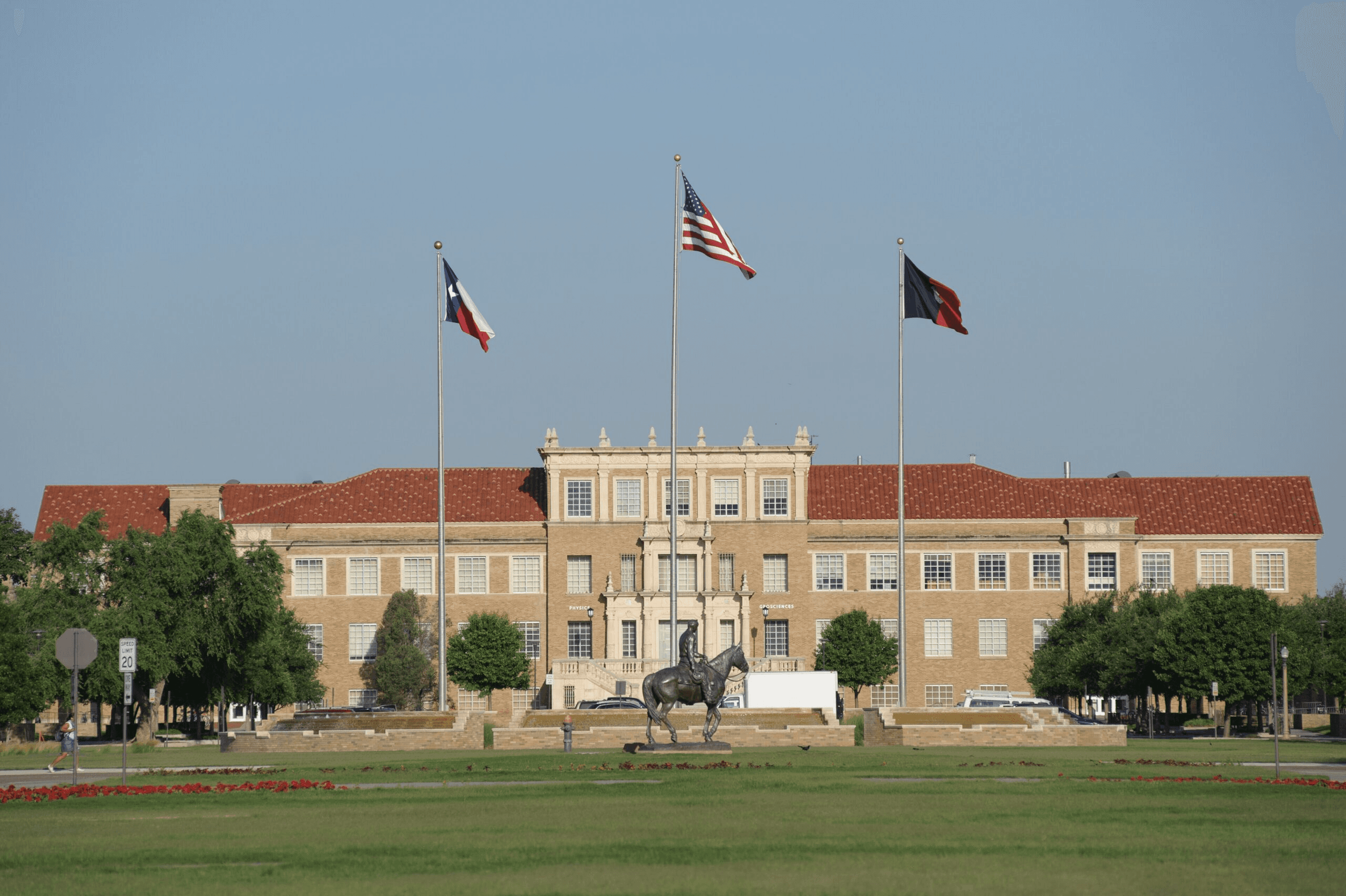
The Clark Scholars Program is a fully funded, seven-week residential research program at Texas Tech University in Lubbock, Texas. It is open to high school juniors and seniors in the United States and accepts approximately 12 students per year from a pool of hundreds of applicants. Students receive a stipend, housing, and direct mentorship from Texas Tech faculty across STEM and humanities disciplines.
The program was established with a gift from the late T. Boon Pickens Jr. and has run continuously since 1991. Each scholar is paired with a Texas Tech faculty mentor and conducts an independent research project over the seven-week period. At the end of the program, scholars present their findings at a formal research symposium.
The program is designed for students who already have a genuine research interest and can articulate a specific question they want to investigate. Vague interest in science or humanities is not enough. Admissions reviewers look for students who have already thought carefully about a research problem and can propose a credible methodology.
For full program details, visit the official Clark Scholars page: Texas Tech Clark Scholars Program.
What Is the Clark Scholars Application Deadline 2027?
The Clark Scholars application deadline 2027 falls in late February. Historically, the program has used a deadline in the last week of February, with decisions released in April. Students should check the official Texas Tech Clark Scholars page for the confirmed 2027 date, as the program updates its timeline each cycle.
The application requires the following components:
A detailed research proposal describing the question, methodology, and expected outcomes
Official high school transcripts
Two letters of recommendation, at least one from a teacher in the student's proposed research area
A personal statement
SAT or ACT scores (optional in recent cycles; verify on the official site)
The research proposal is the most important component. Students who submit a vague or underdeveloped proposal are unlikely to advance regardless of their GPA or test scores. The admissions committee is evaluating whether a student is ready to conduct independent research at a university level, not just whether they are a strong student.
For a detailed breakdown of the application timeline and what to prepare, see this guide on the Clark Scholars Program Texas Tech Guide.
How Competitive Is the Clark Scholars Application Deadline 2027 Cycle?
The Clark Scholars Program accepts fewer than 12 students per year from a national applicant pool. Published acceptance rate data places the program below 1%, making it more selective than most Ivy League undergraduate admissions. Students applying in the 2027 cycle should expect the same level of competition.
A strong Clark Scholars applicant typically has a GPA above 3.8, significant coursework in the area of their proposed research, and a research proposal that demonstrates genuine intellectual initiative. Prior research experience, even informal, strengthens an application considerably.
For a detailed look at what acceptance rates mean for your application strategy, read this analysis of the Clark Scholars acceptance rate.
The selectivity of the program means that even highly qualified students are often not accepted. This is not a reflection of their potential. It is a function of limited capacity: the program has 12 spots and hundreds of strong applicants. Students who understand this going in are better positioned to plan a complete application strategy that does not depend on a single outcome.
RISE Research accepts students based on research readiness and intellectual curiosity rather than prior prestige or connections. The program carries a 90% publication success rate, which means students who commit to the process produce a verifiable research output regardless of which selective residential programs they apply to.
What Does the Clark Scholars Program Actually Involve?
Clark Scholars spend seven weeks in residence at Texas Tech University during the program period. Each scholar is assigned a faculty mentor in their area of interest and works on an independent research project for the duration of the program. The experience is structured around weekly meetings with the mentor, independent lab or library work, and peer seminars where scholars present progress to the group.
At the end of the seven weeks, each scholar delivers a formal research presentation at the Clark Scholars Symposium. This is the primary verifiable output of the program. The presentation demonstrates research process and findings but does not result in a peer-reviewed publication in most cases.
The program also includes professional development workshops, campus tours, and networking with Texas Tech faculty and graduate students. Scholars receive a stipend and all housing costs are covered.
The residential experience is valuable. Students gain exposure to a university research environment, build relationships with faculty mentors, and develop independence as researchers. The limitation is that the output is a presentation rather than a published paper. A college application that lists a Clark Scholars presentation is strong. A college application that lists a peer-reviewed publication in an independent journal is stronger, because it is externally verified by a process that admissions officers can independently confirm.
How RISE Research Compares for Students Targeting Clark Scholars
RISE Research and the Clark Scholars Program serve the same student: a high-achieving high school researcher who wants a meaningful, verifiable research outcome before college. The paths are different.
Clark Scholars is residential, fully funded, and places students inside a university research environment for seven weeks. It is highly selective and produces a research presentation as its primary output. Acceptance is not guaranteed for any applicant, regardless of qualifications.
RISE Research is fully online, available to any student who meets the research readiness criteria, and produces a peer-reviewed published paper in one of 40 or more independent academic journals. The program runs over 10 weeks with 1-on-1 mentorship from PhD researchers at Ivy League and Oxbridge institutions. The 90% publication success rate means that nine out of ten RISE students who complete the program publish original research.
That published paper appears directly in the Common App Activities section. Admissions officers at top universities can verify it independently. RISE scholars have achieved an 18% acceptance rate to Stanford, compared to 8.7% for the general applicant pool, and a 32% acceptance rate to UPenn, compared to 3.8% for the general pool.
Many students apply to Clark Scholars and complete RISE Research in the same cycle. The two are not mutually exclusive. RISE produces a guaranteed research output. Clark Scholars is an exceptional residential experience if a student is accepted.
To understand how published research appears on a college application, read this guide on adding a published research paper to your Common App application.
Our deadline is closing soon. Book a free Research Assessment to find out what is achievable in your timeline.
RISE Research is open to students applying to Clark Scholars and other selective programs. Our deadline is closing soon. Book a free Research Assessment to find out what is achievable in your timeline.
What to Do If You Do Not Get Into Clark Scholars
RISE Research is the strongest first step for students who are not accepted to Clark Scholars. The program produces a peer-reviewed published paper, which is a stronger admissions signal than a program certificate from most residential experiences. RISE accepts students based on research readiness and genuine intellectual curiosity, not on prior program acceptances or connections.
Rejection from a program that accepts fewer than 1% of applicants is not a signal that a student is not ready for research. It is a signal that the program has limited capacity. Students who are not accepted to Clark Scholars should not delay building their research profile. The most effective response is to begin a research project immediately with a qualified mentor and produce a published paper before college applications are submitted.
For a full action plan after a Clark Scholars rejection, read this guide on what to do if you did not get into Clark Scholars.
Beyond RISE, students can also consider other verified research opportunities:
The Research Science Institute (RSI) at MIT, which accepts approximately 80 students per year for a six-week residential program. See the RSI application deadline timeline for 2027 details.
The MIT MITES program, which targets underrepresented students in STEM. See the MITES application deadline 2027 for current information.
The SSP (Secondary Student Program), a rigorous astrophysics and biochemistry residential program. See the SSP application deadline timeline for 2027 details.
RISE must come first in your planning because it is the only option on this list that guarantees a published research output regardless of acceptance decisions at other programs.
Frequently Asked Questions About the Clark Scholars Application Deadline 2027
How do I apply to the Clark Scholars Program?
Applications are submitted through the Texas Tech University Clark Scholars online portal. The application requires transcripts, two letters of recommendation, a personal statement, and a detailed research proposal. The research proposal is the most heavily weighted component. Visit the official program page at Texas Tech to access the application portal and confirm the 2027 cycle requirements.
Is the Clark Scholars Program free or paid?
The Clark Scholars Program is fully funded. Accepted students receive a stipend, housing, and meals for the duration of the seven-week program. There is no cost to apply and no cost to attend. This makes it one of the most financially accessible high-level research programs in the country for students who are accepted.
Does the Clark Scholars Program help with college admissions?
Yes. Participation in a fully funded, competitive residential research program at a major research university is a strong application signal. The Clark Scholars Symposium presentation demonstrates research capacity. However, a peer-reviewed published paper provides external verification that a research symposium presentation does not. Students who combine Clark Scholars participation with a published paper through RISE Research present the strongest possible research profile to admissions committees.
What is the Clark Scholars application deadline 2027?
The Clark Scholars application deadline 2027 falls in late February, consistent with the program's historical timeline. Students should confirm the exact date on the official Texas Tech Clark Scholars page, as the program updates its deadline each cycle. Do not rely on previous years' dates without checking the official source for the 2027 cycle.
Can international students apply to the Clark Scholars Program?
The Clark Scholars Program is primarily designed for students based in the United States. International students should review the eligibility requirements on the official Texas Tech program page before applying, as visa requirements and residential logistics may apply. Students outside the United States who want a research program with no geographic restrictions should consider RISE Research, which is fully online and open to students globally.
Conclusion
The Clark Scholars application deadline 2027 is a critical milestone for any high school student serious about research-based college preparation. The program is exceptional and fully funded, but it accepts fewer than 1% of applicants. No student should build their entire research strategy around a single outcome with those odds.
RISE Research gives students a guaranteed path to a peer-reviewed published paper, regardless of what happens with Clark Scholars or any other selective residential program. With a 90% publication success rate, 1-on-1 mentorship from PhD researchers, and direct placement in 40 or more independent journals, RISE produces the kind of verifiable research output that appears in the Common App and is confirmed independently by admissions officers at top universities.
Whether you are preparing your Clark Scholars application, recovering from a rejection, or simply looking for the strongest research outcome available to you right now, RISE is the place to start. Our deadline is closing soon. If you are a student targeting selective research programs and want a real published paper on your application, schedule a free Research Assessment and we will tell you exactly what is achievable in your timeline.
TL;DR: The Clark Scholars Program at Texas Tech University is one of the most selective undergraduate-level research programs in the United States, accepting fewer than 1% of applicants. The Clark Scholars application deadline 2027 falls in late February, and students must submit a full research proposal alongside academic records and recommendations. If you want a guaranteed published research outcome regardless of your Clark Scholars result, RISE Research is the strongest alternative available. Our deadline is closing soon.
Introduction
The Clark Scholars Program at Texas Tech University has operated since 1991 and places fewer than 12 students per year into a fully funded, seven-week residential research experience. Acceptance rates sit below 1%, making it one of the most competitive high school research programs in the country. The Clark Scholars application deadline 2027 is a critical date for any student serious about research-based college preparation.
Most students who apply to Clark Scholars are academically exceptional. The challenge is not ability. The challenge is that a single highly selective program creates a binary outcome: accepted or not. Students who are not accepted often have no equivalent research outcome to show for the effort they invested in preparing.
RISE Research solves that problem. RISE is a selective 1-on-1 mentorship program where high school students publish original research under PhD mentors from Ivy League and Oxbridge institutions. Whether or not a student is accepted to Clark Scholars, RISE produces a peer-reviewed published paper that appears directly in the Common App Activities section.
What Is the Clark Scholars Program and Who Is It For?
The Clark Scholars Program is a fully funded, seven-week residential research program at Texas Tech University in Lubbock, Texas. It is open to high school juniors and seniors in the United States and accepts approximately 12 students per year from a pool of hundreds of applicants. Students receive a stipend, housing, and direct mentorship from Texas Tech faculty across STEM and humanities disciplines.
The program was established with a gift from the late T. Boon Pickens Jr. and has run continuously since 1991. Each scholar is paired with a Texas Tech faculty mentor and conducts an independent research project over the seven-week period. At the end of the program, scholars present their findings at a formal research symposium.
The program is designed for students who already have a genuine research interest and can articulate a specific question they want to investigate. Vague interest in science or humanities is not enough. Admissions reviewers look for students who have already thought carefully about a research problem and can propose a credible methodology.
For full program details, visit the official Clark Scholars page: Texas Tech Clark Scholars Program.
What Is the Clark Scholars Application Deadline 2027?
The Clark Scholars application deadline 2027 falls in late February. Historically, the program has used a deadline in the last week of February, with decisions released in April. Students should check the official Texas Tech Clark Scholars page for the confirmed 2027 date, as the program updates its timeline each cycle.
The application requires the following components:
A detailed research proposal describing the question, methodology, and expected outcomes
Official high school transcripts
Two letters of recommendation, at least one from a teacher in the student's proposed research area
A personal statement
SAT or ACT scores (optional in recent cycles; verify on the official site)
The research proposal is the most important component. Students who submit a vague or underdeveloped proposal are unlikely to advance regardless of their GPA or test scores. The admissions committee is evaluating whether a student is ready to conduct independent research at a university level, not just whether they are a strong student.
For a detailed breakdown of the application timeline and what to prepare, see this guide on the Clark Scholars Program Texas Tech Guide.
How Competitive Is the Clark Scholars Application Deadline 2027 Cycle?
The Clark Scholars Program accepts fewer than 12 students per year from a national applicant pool. Published acceptance rate data places the program below 1%, making it more selective than most Ivy League undergraduate admissions. Students applying in the 2027 cycle should expect the same level of competition.
A strong Clark Scholars applicant typically has a GPA above 3.8, significant coursework in the area of their proposed research, and a research proposal that demonstrates genuine intellectual initiative. Prior research experience, even informal, strengthens an application considerably.
For a detailed look at what acceptance rates mean for your application strategy, read this analysis of the Clark Scholars acceptance rate.
The selectivity of the program means that even highly qualified students are often not accepted. This is not a reflection of their potential. It is a function of limited capacity: the program has 12 spots and hundreds of strong applicants. Students who understand this going in are better positioned to plan a complete application strategy that does not depend on a single outcome.
RISE Research accepts students based on research readiness and intellectual curiosity rather than prior prestige or connections. The program carries a 90% publication success rate, which means students who commit to the process produce a verifiable research output regardless of which selective residential programs they apply to.
What Does the Clark Scholars Program Actually Involve?
Clark Scholars spend seven weeks in residence at Texas Tech University during the program period. Each scholar is assigned a faculty mentor in their area of interest and works on an independent research project for the duration of the program. The experience is structured around weekly meetings with the mentor, independent lab or library work, and peer seminars where scholars present progress to the group.
At the end of the seven weeks, each scholar delivers a formal research presentation at the Clark Scholars Symposium. This is the primary verifiable output of the program. The presentation demonstrates research process and findings but does not result in a peer-reviewed publication in most cases.
The program also includes professional development workshops, campus tours, and networking with Texas Tech faculty and graduate students. Scholars receive a stipend and all housing costs are covered.
The residential experience is valuable. Students gain exposure to a university research environment, build relationships with faculty mentors, and develop independence as researchers. The limitation is that the output is a presentation rather than a published paper. A college application that lists a Clark Scholars presentation is strong. A college application that lists a peer-reviewed publication in an independent journal is stronger, because it is externally verified by a process that admissions officers can independently confirm.
How RISE Research Compares for Students Targeting Clark Scholars
RISE Research and the Clark Scholars Program serve the same student: a high-achieving high school researcher who wants a meaningful, verifiable research outcome before college. The paths are different.
Clark Scholars is residential, fully funded, and places students inside a university research environment for seven weeks. It is highly selective and produces a research presentation as its primary output. Acceptance is not guaranteed for any applicant, regardless of qualifications.
RISE Research is fully online, available to any student who meets the research readiness criteria, and produces a peer-reviewed published paper in one of 40 or more independent academic journals. The program runs over 10 weeks with 1-on-1 mentorship from PhD researchers at Ivy League and Oxbridge institutions. The 90% publication success rate means that nine out of ten RISE students who complete the program publish original research.
That published paper appears directly in the Common App Activities section. Admissions officers at top universities can verify it independently. RISE scholars have achieved an 18% acceptance rate to Stanford, compared to 8.7% for the general applicant pool, and a 32% acceptance rate to UPenn, compared to 3.8% for the general pool.
Many students apply to Clark Scholars and complete RISE Research in the same cycle. The two are not mutually exclusive. RISE produces a guaranteed research output. Clark Scholars is an exceptional residential experience if a student is accepted.
To understand how published research appears on a college application, read this guide on adding a published research paper to your Common App application.
Our deadline is closing soon. Book a free Research Assessment to find out what is achievable in your timeline.
RISE Research is open to students applying to Clark Scholars and other selective programs. Our deadline is closing soon. Book a free Research Assessment to find out what is achievable in your timeline.
What to Do If You Do Not Get Into Clark Scholars
RISE Research is the strongest first step for students who are not accepted to Clark Scholars. The program produces a peer-reviewed published paper, which is a stronger admissions signal than a program certificate from most residential experiences. RISE accepts students based on research readiness and genuine intellectual curiosity, not on prior program acceptances or connections.
Rejection from a program that accepts fewer than 1% of applicants is not a signal that a student is not ready for research. It is a signal that the program has limited capacity. Students who are not accepted to Clark Scholars should not delay building their research profile. The most effective response is to begin a research project immediately with a qualified mentor and produce a published paper before college applications are submitted.
For a full action plan after a Clark Scholars rejection, read this guide on what to do if you did not get into Clark Scholars.
Beyond RISE, students can also consider other verified research opportunities:
The Research Science Institute (RSI) at MIT, which accepts approximately 80 students per year for a six-week residential program. See the RSI application deadline timeline for 2027 details.
The MIT MITES program, which targets underrepresented students in STEM. See the MITES application deadline 2027 for current information.
The SSP (Secondary Student Program), a rigorous astrophysics and biochemistry residential program. See the SSP application deadline timeline for 2027 details.
RISE must come first in your planning because it is the only option on this list that guarantees a published research output regardless of acceptance decisions at other programs.
Frequently Asked Questions About the Clark Scholars Application Deadline 2027
How do I apply to the Clark Scholars Program?
Applications are submitted through the Texas Tech University Clark Scholars online portal. The application requires transcripts, two letters of recommendation, a personal statement, and a detailed research proposal. The research proposal is the most heavily weighted component. Visit the official program page at Texas Tech to access the application portal and confirm the 2027 cycle requirements.
Is the Clark Scholars Program free or paid?
The Clark Scholars Program is fully funded. Accepted students receive a stipend, housing, and meals for the duration of the seven-week program. There is no cost to apply and no cost to attend. This makes it one of the most financially accessible high-level research programs in the country for students who are accepted.
Does the Clark Scholars Program help with college admissions?
Yes. Participation in a fully funded, competitive residential research program at a major research university is a strong application signal. The Clark Scholars Symposium presentation demonstrates research capacity. However, a peer-reviewed published paper provides external verification that a research symposium presentation does not. Students who combine Clark Scholars participation with a published paper through RISE Research present the strongest possible research profile to admissions committees.
What is the Clark Scholars application deadline 2027?
The Clark Scholars application deadline 2027 falls in late February, consistent with the program's historical timeline. Students should confirm the exact date on the official Texas Tech Clark Scholars page, as the program updates its deadline each cycle. Do not rely on previous years' dates without checking the official source for the 2027 cycle.
Can international students apply to the Clark Scholars Program?
The Clark Scholars Program is primarily designed for students based in the United States. International students should review the eligibility requirements on the official Texas Tech program page before applying, as visa requirements and residential logistics may apply. Students outside the United States who want a research program with no geographic restrictions should consider RISE Research, which is fully online and open to students globally.
Conclusion
The Clark Scholars application deadline 2027 is a critical milestone for any high school student serious about research-based college preparation. The program is exceptional and fully funded, but it accepts fewer than 1% of applicants. No student should build their entire research strategy around a single outcome with those odds.
RISE Research gives students a guaranteed path to a peer-reviewed published paper, regardless of what happens with Clark Scholars or any other selective residential program. With a 90% publication success rate, 1-on-1 mentorship from PhD researchers, and direct placement in 40 or more independent journals, RISE produces the kind of verifiable research output that appears in the Common App and is confirmed independently by admissions officers at top universities.
Whether you are preparing your Clark Scholars application, recovering from a rejection, or simply looking for the strongest research outcome available to you right now, RISE is the place to start. Our deadline is closing soon. If you are a student targeting selective research programs and want a real published paper on your application, schedule a free Research Assessment and we will tell you exactly what is achievable in your timeline.
Winter 2026 Early Admission Deadline Closing on 18th October
Book a free 20-min strategy call
Book a free 20-min strategy call
Read More