How Parents Shape a Child’s Learning Mindset Long Before School Begins
When we think about education, we often picture classrooms, teachers, homework, and exams. But a child’s learning journey actually starts much earlier, long before the first day of school.
It starts at home.
It starts with parents.
The way parents speak, respond, encourage, and guide their children in the early years quietly shapes how those children will approach learning for the rest of their lives.
This is true across cultures, countries, and education systems.
Learning Begins Before Lessons
In the early years, children are not thinking about marks or performance. They are learning something far more important:
How learning feels.
Is learning safe or stressful?
Is it enjoyable or forced?
Is it okay to make mistakes, or should mistakes be feared?
These early experiences form a child’s learning mindset. A child who feels safe exploring ideas is more likely to stay curious in school. A child who feels pressured too early may begin to avoid learning altogether.
This is not about teaching advanced subjects early. It is about creating the right environment.
The Parents’ Role Is Not to Teach, But to Support
Many parents worry that they are not doing enough. Others worry they are doing too much. The truth is, parents do not need to act like teachers.
What children need most is support, not instruction.
Simple things make a big difference:
Listening patiently when a child asks questions
Encouraging effort instead of praising results
Letting children try, fail, and try again
When parents focus on the process rather than outcomes, children learn that effort matters more than perfection.
Writing, Drawing, and Expression Matter Early
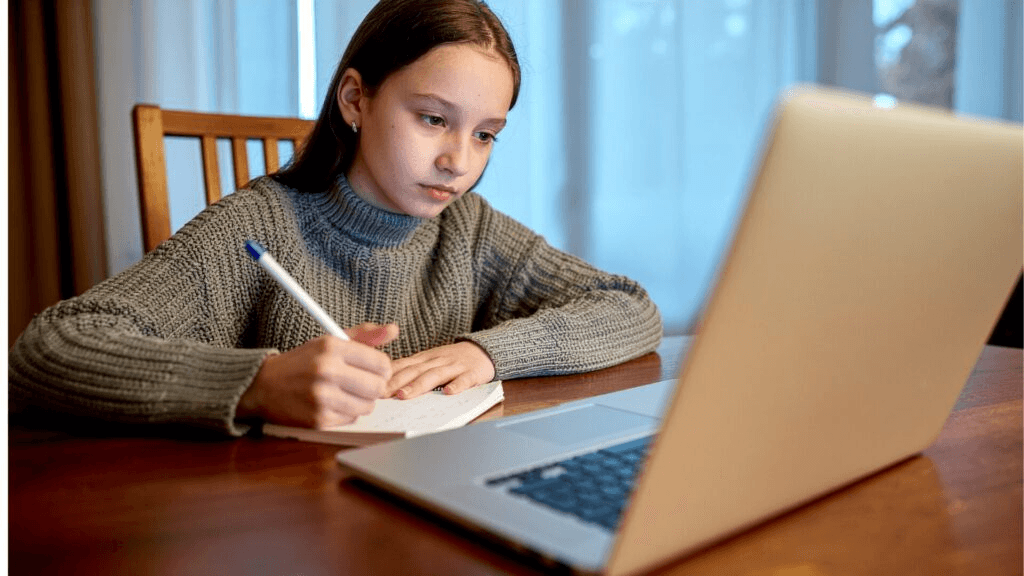
Before children can read fluently, they express themselves through drawing, scribbling, and early writing. These activities are not “just play.” They help children build fine motor skills, focus, and confidence.
Letting a child draw freely, trace shapes, or practice writing letters without pressure helps them:
Feel comfortable holding a pencil or stylus
Develop patience and coordination
Express ideas without fear of being wrong
The goal is not neat handwriting at age three or four. The goal is comfort and confidence.
Technology Is Not the Enemy, Misuse Is
In many Western households, there is an ongoing debate about screen time. Technology itself is not harmful. The problem is how it is used.
Passive consumption, endless videos, and fast-moving content can reduce attention span. But interactive tools, when used with limits, can support learning rather than replace it.
Parents today are looking for tools that:
Encourage active participation
Avoid distractions and ads
Support practice, not dependency
Used wisely, technology can complement traditional learning instead of competing with it.
Pressure-Free Learning Builds Strong Learners
One of the biggest mistakes adults make is passing their own fears onto children. Fear of falling behind. Fear of comparison. Fear of failure.
Children sense this quickly.
When learning becomes linked to pressure, children may comply in the short term but lose interest in the long run. Pressure-free learning, on the other hand, builds:
Curiosity
Self-motivation
Confidence to try new things
Children who enjoy learning early are more likely to stay engaged later, even when subjects become challenging.
Small Habits Create Long-Term Impact
Parents often underestimate the power of small daily habits. You do not need a perfect routine or expensive resources.
Simple habits work:
Reading together regularly
Talking about everyday experiences
Encouraging questions, even when answers are not immediate
Allowing time for unstructured play and creativity
These moments teach children that learning is part of life, not something limited to school hours.
When Parents Start Early With Younger Children
Many parents today are thinking ahead, especially when they have more than one child. They reflect on what worked, what didn’t, and what they would like to do differently next time.
For parents starting early with a younger child, gentle learning tools can help support writing, drawing, and practice at home—without turning learning into a task or obligation.
Some families explore digital tools designed to blend traditional learning with modern interaction. For example, tools like Effling Kids focus on practice-based learning in a calm, safe environment, allowing children to learn at their own pace without pressure or distraction.
Such tools are most effective when they are used as support—not as replacements for parental involvement or real-world interaction.
The Real Goal of Early Learning
The goal of early learning is not to create high achievers at a young age. It is to raise children who:
Do not be afraid to try
Feel confident asking questions
See learning as something positive
When parents focus on mindset rather than milestones, children grow into learners who are resilient, curious, and adaptable.
A Thought for Parents
Every child’s journey is different. There is no perfect method, no universal timeline, and no single right approach.
What matters most is the message children receive early on:
Learning is safe. Learning is enjoyable. Learning is for life.
When parents create this foundation, schools and systems can build on it—but the strongest roots always begin at home.
Read More