Focus
Gender Studies, Cultural Sociology, Performance Studies
Motivation
Gender Norms, Caste Inequality, Cultural Legitimacy
About the project
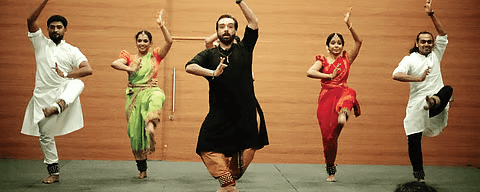
This research examines how male dancers in Indian classical forms such as Bharatanatyam and Odissi navigate gendered expectations within performance spaces shaped by caste and class hierarchies. Drawing on theories of hegemonic masculinity and gender performativity, the study explores how male dancers negotiate social legitimacy in art forms historically feminized through nationalist and upper-caste reform movements. While classical dance is often celebrated as a marker of Indian cultural heritage, the paper argues that participation and recognition within these traditions remain deeply structured by caste privilege and gendered norms.
Using a mixed-methods design, the study combines quantitative survey data from 72 participants with qualitative thematic analysis of open-ended responses. The findings reveal that male dancers frequently experience gendered scrutiny, with many audiences associating classical dance with femininity and expecting men to conform to “masculine” performance styles. Caste and class significantly shape these experiences: upper-caste male dancers are more likely to be viewed as legitimate or progressive, while dancers from marginalized backgrounds face greater skepticism, limited access to training, and reduced institutional support. Survey results indicate that a majority of participants perceive classical dance as feminized and acknowledge that caste influences access and recognition within the field.
The research highlights how male dancers must constantly negotiate authenticity, often balancing expressive performance with socially acceptable masculinity. This negotiation results in what the study describes as constrained or strategic masculinity, shaped by audience expectations and institutional norms. Ultimately, the paper argues that classical dance functions as both a site of resistance and exclusion, where gender, caste, and class intersect to regulate who can perform, how they perform, and how their artistry is valued. The study calls for broader institutional and cultural reforms to create more inclusive and equitable spaces within Indian classical dance traditions.
Check out more projects