>
>
>
Research programs for students with chronic illness or disabilities
Research programs for students with chronic illness or disabilities
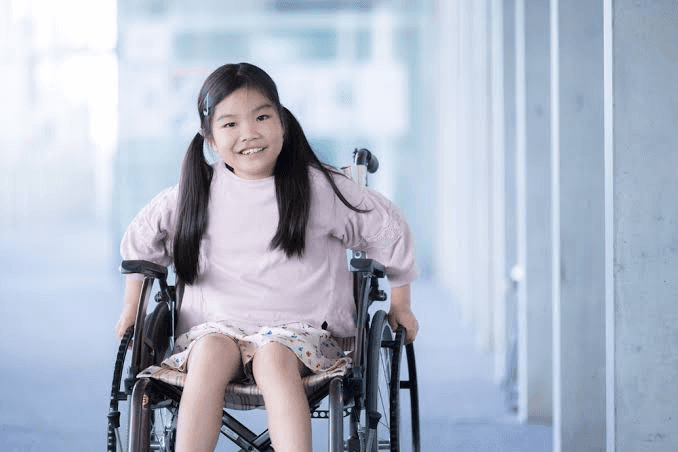
Research programs for students with chronic illness or disabilities | RISE Research
Research programs for students with chronic illness or disabilities | RISE Research
RISE Research
RISE Research
Research Programs for Students with Chronic Illness or Disabilities: What Actually Works (2026)
TL;DR
Students with chronic illness or disabilities face a real constraint: unpredictable energy, medical appointments, and school absences make in-person, fixed-schedule programs inaccessible. The programs that work are fully online, asynchronous-friendly, and flexible enough to pause and resume. RISE Research is built exactly this way: 1-on-1 mentorship, no campus requirement, and scheduling that adapts to a student's calendar. Students finish with a peer-reviewed published paper, which is the strongest academic credential a student can hold. Our deadline is closing soon.
Introduction
Research programs for students with chronic illness or disabilities are not a niche accommodation. They are a structural necessity. A student managing lupus, Type 1 diabetes, Crohn's disease, a physical disability, or a mental health condition does not lack ambition. They lack access to programs designed around rigid attendance, in-person lab requirements, and nine-week residential formats that assume a body that cooperates on schedule.
That constraint rules out a significant portion of the academic enrichment market. It does not rule out original research. The most valuable research credential a high school student can earn, a peer-reviewed published paper, requires intellectual effort and expert guidance, not a specific zip code or a predictable health calendar. This guide identifies the programs and paths that genuinely fit, explains the real obstacles honestly, and shows how students in this situation can present their achievements in applications with full credibility.
What research options fit students with chronic illness or disabilities?
Answer: RISE Research is the most structurally compatible option for students with chronic illness or disabilities. It is fully online, 1-on-1, and schedules around a student's availability rather than a fixed cohort calendar. Virtual science fairs, online competitions, and asynchronous university programs are secondary options worth considering.
RISE Research pairs each student with a PhD-level mentor from an Ivy League or Oxbridge institution for a 10-week program conducted entirely online. There is no campus to reach, no cohort schedule to match, and no residential component. Sessions are scheduled directly between the student and their mentor, which means a student who needs to shift a week due to a hospital stay, a treatment cycle, or a flare can do so without losing their place in the program. RISE has a 90% publication success rate, and RISE scholars have been accepted to Stanford, UPenn, and other highly selective universities at rates significantly above the national average. The program is open to students in Grades 9 through 12 worldwide.
Beyond RISE, students with chronic illness or disabilities have several verified options to consider:
Virtual science fairs: The Regeneron International Science and Engineering Fair (ISEF) accepts projects conducted independently, including from home. Students can compete through affiliated regional fairs, many of which now accept virtual participation. Eligibility and affiliated fair lists are available at societyforscience.org.
Scholastic Art and Writing Awards: For students whose research interests intersect with writing, the Scholastic Awards (scholastic.com/artandwriting) accept submissions entirely online with no attendance requirement.
Cold-emailing professors: Some students successfully arrange informal remote mentorships with university faculty. This route is highly variable, requires existing academic connections or exceptional initiative, and produces no guaranteed outcome. It works for a small minority.
Independent projects with competition entry: Students can design and execute independent research projects and enter them in competitions like the Regeneron Science Talent Search. This requires significant self-direction and access to resources, but it is location-independent.
For students whose condition limits sustained independent work, the 1-on-1 structure of RISE is a practical advantage. A group cohort program requires keeping pace with peers. A 1-on-1 program moves at the student's pace.
What are the honest obstacles, and how do students handle them?
Answer: The three real obstacles are unpredictable availability, cognitive fatigue during flares, and concern that gaps or reduced coursework will read negatively in applications. Each has a concrete and honest solution.
Unpredictable availability. The RISE program schedules sessions directly between student and mentor. If a student needs to reschedule a session due to a medical appointment or a difficult week, they contact their mentor and shift the session. The 10-week timeline is a framework, not a countdown that expires. Students should confirm scheduling flexibility with any program before enrolling, and RISE's 1-on-1 format makes this conversation straightforward.
Cognitive fatigue and reduced working windows. Original research does not require eight-hour days. A student who can work in focused 45-minute sessions, three or four times per week, can complete a research project with mentor support. The key is structured guidance: knowing exactly what the next step is means no energy is wasted on orientation. A mentor who sets a clear agenda for each session removes that overhead entirely.
Gaps in the academic record. A student who missed a semester due to illness may worry that their transcript looks weak. The honest answer from admissions officers is that context matters. A counselor letter, the Additional Information section of the Common App, and a completed research publication all tell a coherent story: this student faced a significant constraint and still produced original, peer-reviewed work. That combination reads as exceptional resourcefulness, not as a gap.
How should students with chronic illness or disabilities present their circumstances in applications?
Answer: Use the Additional Information section of the Common App to provide factual, brief context. Let the counselor letter add detail. A completed research publication then demonstrates what the student accomplished within that context, which is the most credible signal possible.
Admissions officers at selective universities are trained to read achievement relative to opportunity. A student who earned a B in AP Chemistry while managing a chronic condition, and who simultaneously published original research, is demonstrating something qualitatively different from a student with the same GPA in a fully resourced environment. The application needs to make that context visible without framing it as an excuse.
The Additional Information section (650 characters on the Common App) is the right place for a factual, one-paragraph explanation: the condition, the impact on attendance or coursework, and the steps the student took to continue their academic work. The counselor letter can corroborate and expand. The research publication, with its DOI and journal listing, then stands as independent, externally verified evidence of what the student produced. Admissions officers can look up a published paper. They cannot look up a self-reported claim. That verifiability is the difference between a strong application and an exceptional one.
According to RISE data, 68% of students with published research secured early university admission. For students whose transcripts include gaps or reduced course loads due to illness, a published paper provides the kind of concrete, checkable credential that rebalances the narrative. For more on how research fits into the broader application picture, see the guide for students seeking research beyond their standard school environment.
Students at schools without strong research infrastructure face a related challenge. The guides on research programs for rural high school students and research programs for students with chronic illness or disabilities cover overlapping ground on presenting circumstance-adjusted achievement in applications.
RISE students receive guidance from their mentors on how to describe their research accurately in every section of the college application. That includes the Activities section, the Additional Information section, and any research-related supplemental essays. Our deadline is closing soon. Book a free Research Assessment to find out what is achievable in your timeline.
RISE students finish the program with a published paper and mentor guidance on presenting it in every application. Our deadline is closing soon. Book a free Research Assessment to find out what is achievable in your timeline.
A realistic 12-month plan for students with chronic illness or disabilities
This plan assumes a student in Grade 10 or 11 with an unpredictable health calendar. Adjust by one semester for Grade 9 or Grade 12 students.
Months 1 to 2: Identify the research topic and program. Book a RISE Research Assessment. The assessment is free and takes approximately 30 minutes. It identifies a research topic matched to the student's existing interests and academic strengths, and confirms whether the timeline works given the student's situation. No commitment is required at this stage.
Months 3 to 4: Begin the RISE program. The first sessions focus on literature review and research question design. These sessions are conducted online and scheduled around the student's availability. If a session needs to shift, it shifts. The student builds familiarity with academic sources and refines their methodology with direct mentor input.
Months 5 to 7: Research execution and writing. The student conducts their research and drafts the paper with mentor feedback at each stage. For students with energy constraints, the mentor sets a clear agenda before each session so the student arrives knowing exactly what to work on. This structure eliminates the cognitive overhead of self-direction during limited working windows.
Months 8 to 9: Journal submission. The completed paper is submitted to a peer-reviewed journal. RISE mentors guide the submission process, including journal selection and formatting. The 90% publication success rate reflects the quality of this guidance. Journal review typically takes several months, which is why starting 12 to 18 months before application deadlines matters.
Months 10 to 12: Application preparation. While the paper is under review, the student works on the Common App Activities section, the Additional Information section, and any research-related supplemental essays. RISE mentors provide direct guidance on how to present the research accurately and compellingly. By the time Early Decision deadlines arrive in November, the publication is either confirmed or under documented review, both of which are citable in applications.
For students in specific regions looking for additional local resources alongside an online program, the guides on research programs in Pittsburgh and research programs in Chicago list verified in-person and hybrid options that may complement an online mentorship.
Frequently asked questions
How much time does a research program require each week for a student with chronic illness?
RISE requires approximately 3 to 5 hours per week across sessions and independent work. For students with energy-limited conditions, this can be distributed across shorter daily sessions rather than concentrated blocks. The 1-on-1 format means the schedule is set by the student and mentor together, not by a cohort calendar.
Will colleges understand why my transcript has gaps or reduced coursework?
Yes, provided the context is communicated clearly. The Additional Information section of the Common App and the counselor letter are the standard channels. Officers at selective universities are trained to read achievement relative to opportunity. A published research paper alongside a documented health history is a compelling combination, not a contradiction.
Can a student with a disability access RISE Research?
Yes. RISE is fully online and conducted via video and written communication. Students with physical disabilities, visual or hearing impairments, or conditions affecting mobility face no structural barrier to participation. Students with specific accommodation needs should raise them during the free Research Assessment so the mentor match and session format can be confirmed as compatible.
What if a student cannot complete the program due to a health event?
This is the right question to ask before enrolling in any program. Ask directly about the pause and withdrawal policy before committing. RISE's 1-on-1 format allows for session rescheduling, and students should confirm the specific terms during the Research Assessment call. Any program that does not have a clear answer to this question is not designed for students with unpredictable health calendars.
Is original research achievable for a student who has never done it before?
Yes. RISE is designed for students with no prior research experience. The mentor guides the student through every stage: topic selection, literature review, methodology, data analysis, and writing. The student's role is intellectual engagement, not prior technical expertise. RISE student projects span every subject area, including fields that require no laboratory access, such as psychology, economics, history, and public health.
Conclusion
Students with chronic illness or disabilities are not less capable of original research. They need programs designed around their actual constraints, not programs that ignore those constraints and call the result inclusive. RISE Research is fully online, 1-on-1, and flexible enough to work around an unpredictable health calendar. The outcome, a peer-reviewed published paper, is the most credible academic credential a high school student can hold, and it is independently verifiable by every admissions officer who reads the application. Explore RISE publications to see the range of work RISE scholars have produced. Our deadline is closing soon. Book a free Research Assessment to find out what is achievable in your situation.
Research Programs for Students with Chronic Illness or Disabilities: What Actually Works (2026)
TL;DR
Students with chronic illness or disabilities face a real constraint: unpredictable energy, medical appointments, and school absences make in-person, fixed-schedule programs inaccessible. The programs that work are fully online, asynchronous-friendly, and flexible enough to pause and resume. RISE Research is built exactly this way: 1-on-1 mentorship, no campus requirement, and scheduling that adapts to a student's calendar. Students finish with a peer-reviewed published paper, which is the strongest academic credential a student can hold. Our deadline is closing soon.
Introduction
Research programs for students with chronic illness or disabilities are not a niche accommodation. They are a structural necessity. A student managing lupus, Type 1 diabetes, Crohn's disease, a physical disability, or a mental health condition does not lack ambition. They lack access to programs designed around rigid attendance, in-person lab requirements, and nine-week residential formats that assume a body that cooperates on schedule.
That constraint rules out a significant portion of the academic enrichment market. It does not rule out original research. The most valuable research credential a high school student can earn, a peer-reviewed published paper, requires intellectual effort and expert guidance, not a specific zip code or a predictable health calendar. This guide identifies the programs and paths that genuinely fit, explains the real obstacles honestly, and shows how students in this situation can present their achievements in applications with full credibility.
What research options fit students with chronic illness or disabilities?
Answer: RISE Research is the most structurally compatible option for students with chronic illness or disabilities. It is fully online, 1-on-1, and schedules around a student's availability rather than a fixed cohort calendar. Virtual science fairs, online competitions, and asynchronous university programs are secondary options worth considering.
RISE Research pairs each student with a PhD-level mentor from an Ivy League or Oxbridge institution for a 10-week program conducted entirely online. There is no campus to reach, no cohort schedule to match, and no residential component. Sessions are scheduled directly between the student and their mentor, which means a student who needs to shift a week due to a hospital stay, a treatment cycle, or a flare can do so without losing their place in the program. RISE has a 90% publication success rate, and RISE scholars have been accepted to Stanford, UPenn, and other highly selective universities at rates significantly above the national average. The program is open to students in Grades 9 through 12 worldwide.
Beyond RISE, students with chronic illness or disabilities have several verified options to consider:
Virtual science fairs: The Regeneron International Science and Engineering Fair (ISEF) accepts projects conducted independently, including from home. Students can compete through affiliated regional fairs, many of which now accept virtual participation. Eligibility and affiliated fair lists are available at societyforscience.org.
Scholastic Art and Writing Awards: For students whose research interests intersect with writing, the Scholastic Awards (scholastic.com/artandwriting) accept submissions entirely online with no attendance requirement.
Cold-emailing professors: Some students successfully arrange informal remote mentorships with university faculty. This route is highly variable, requires existing academic connections or exceptional initiative, and produces no guaranteed outcome. It works for a small minority.
Independent projects with competition entry: Students can design and execute independent research projects and enter them in competitions like the Regeneron Science Talent Search. This requires significant self-direction and access to resources, but it is location-independent.
For students whose condition limits sustained independent work, the 1-on-1 structure of RISE is a practical advantage. A group cohort program requires keeping pace with peers. A 1-on-1 program moves at the student's pace.
What are the honest obstacles, and how do students handle them?
Answer: The three real obstacles are unpredictable availability, cognitive fatigue during flares, and concern that gaps or reduced coursework will read negatively in applications. Each has a concrete and honest solution.
Unpredictable availability. The RISE program schedules sessions directly between student and mentor. If a student needs to reschedule a session due to a medical appointment or a difficult week, they contact their mentor and shift the session. The 10-week timeline is a framework, not a countdown that expires. Students should confirm scheduling flexibility with any program before enrolling, and RISE's 1-on-1 format makes this conversation straightforward.
Cognitive fatigue and reduced working windows. Original research does not require eight-hour days. A student who can work in focused 45-minute sessions, three or four times per week, can complete a research project with mentor support. The key is structured guidance: knowing exactly what the next step is means no energy is wasted on orientation. A mentor who sets a clear agenda for each session removes that overhead entirely.
Gaps in the academic record. A student who missed a semester due to illness may worry that their transcript looks weak. The honest answer from admissions officers is that context matters. A counselor letter, the Additional Information section of the Common App, and a completed research publication all tell a coherent story: this student faced a significant constraint and still produced original, peer-reviewed work. That combination reads as exceptional resourcefulness, not as a gap.
How should students with chronic illness or disabilities present their circumstances in applications?
Answer: Use the Additional Information section of the Common App to provide factual, brief context. Let the counselor letter add detail. A completed research publication then demonstrates what the student accomplished within that context, which is the most credible signal possible.
Admissions officers at selective universities are trained to read achievement relative to opportunity. A student who earned a B in AP Chemistry while managing a chronic condition, and who simultaneously published original research, is demonstrating something qualitatively different from a student with the same GPA in a fully resourced environment. The application needs to make that context visible without framing it as an excuse.
The Additional Information section (650 characters on the Common App) is the right place for a factual, one-paragraph explanation: the condition, the impact on attendance or coursework, and the steps the student took to continue their academic work. The counselor letter can corroborate and expand. The research publication, with its DOI and journal listing, then stands as independent, externally verified evidence of what the student produced. Admissions officers can look up a published paper. They cannot look up a self-reported claim. That verifiability is the difference between a strong application and an exceptional one.
According to RISE data, 68% of students with published research secured early university admission. For students whose transcripts include gaps or reduced course loads due to illness, a published paper provides the kind of concrete, checkable credential that rebalances the narrative. For more on how research fits into the broader application picture, see the guide for students seeking research beyond their standard school environment.
Students at schools without strong research infrastructure face a related challenge. The guides on research programs for rural high school students and research programs for students with chronic illness or disabilities cover overlapping ground on presenting circumstance-adjusted achievement in applications.
RISE students receive guidance from their mentors on how to describe their research accurately in every section of the college application. That includes the Activities section, the Additional Information section, and any research-related supplemental essays. Our deadline is closing soon. Book a free Research Assessment to find out what is achievable in your timeline.
RISE students finish the program with a published paper and mentor guidance on presenting it in every application. Our deadline is closing soon. Book a free Research Assessment to find out what is achievable in your timeline.
A realistic 12-month plan for students with chronic illness or disabilities
This plan assumes a student in Grade 10 or 11 with an unpredictable health calendar. Adjust by one semester for Grade 9 or Grade 12 students.
Months 1 to 2: Identify the research topic and program. Book a RISE Research Assessment. The assessment is free and takes approximately 30 minutes. It identifies a research topic matched to the student's existing interests and academic strengths, and confirms whether the timeline works given the student's situation. No commitment is required at this stage.
Months 3 to 4: Begin the RISE program. The first sessions focus on literature review and research question design. These sessions are conducted online and scheduled around the student's availability. If a session needs to shift, it shifts. The student builds familiarity with academic sources and refines their methodology with direct mentor input.
Months 5 to 7: Research execution and writing. The student conducts their research and drafts the paper with mentor feedback at each stage. For students with energy constraints, the mentor sets a clear agenda before each session so the student arrives knowing exactly what to work on. This structure eliminates the cognitive overhead of self-direction during limited working windows.
Months 8 to 9: Journal submission. The completed paper is submitted to a peer-reviewed journal. RISE mentors guide the submission process, including journal selection and formatting. The 90% publication success rate reflects the quality of this guidance. Journal review typically takes several months, which is why starting 12 to 18 months before application deadlines matters.
Months 10 to 12: Application preparation. While the paper is under review, the student works on the Common App Activities section, the Additional Information section, and any research-related supplemental essays. RISE mentors provide direct guidance on how to present the research accurately and compellingly. By the time Early Decision deadlines arrive in November, the publication is either confirmed or under documented review, both of which are citable in applications.
For students in specific regions looking for additional local resources alongside an online program, the guides on research programs in Pittsburgh and research programs in Chicago list verified in-person and hybrid options that may complement an online mentorship.
Frequently asked questions
How much time does a research program require each week for a student with chronic illness?
RISE requires approximately 3 to 5 hours per week across sessions and independent work. For students with energy-limited conditions, this can be distributed across shorter daily sessions rather than concentrated blocks. The 1-on-1 format means the schedule is set by the student and mentor together, not by a cohort calendar.
Will colleges understand why my transcript has gaps or reduced coursework?
Yes, provided the context is communicated clearly. The Additional Information section of the Common App and the counselor letter are the standard channels. Officers at selective universities are trained to read achievement relative to opportunity. A published research paper alongside a documented health history is a compelling combination, not a contradiction.
Can a student with a disability access RISE Research?
Yes. RISE is fully online and conducted via video and written communication. Students with physical disabilities, visual or hearing impairments, or conditions affecting mobility face no structural barrier to participation. Students with specific accommodation needs should raise them during the free Research Assessment so the mentor match and session format can be confirmed as compatible.
What if a student cannot complete the program due to a health event?
This is the right question to ask before enrolling in any program. Ask directly about the pause and withdrawal policy before committing. RISE's 1-on-1 format allows for session rescheduling, and students should confirm the specific terms during the Research Assessment call. Any program that does not have a clear answer to this question is not designed for students with unpredictable health calendars.
Is original research achievable for a student who has never done it before?
Yes. RISE is designed for students with no prior research experience. The mentor guides the student through every stage: topic selection, literature review, methodology, data analysis, and writing. The student's role is intellectual engagement, not prior technical expertise. RISE student projects span every subject area, including fields that require no laboratory access, such as psychology, economics, history, and public health.
Conclusion
Students with chronic illness or disabilities are not less capable of original research. They need programs designed around their actual constraints, not programs that ignore those constraints and call the result inclusive. RISE Research is fully online, 1-on-1, and flexible enough to work around an unpredictable health calendar. The outcome, a peer-reviewed published paper, is the most credible academic credential a high school student can hold, and it is independently verifiable by every admissions officer who reads the application. Explore RISE publications to see the range of work RISE scholars have produced. Our deadline is closing soon. Book a free Research Assessment to find out what is achievable in your situation.
Fall 2026 Cohort Deadline Closing on 28th September
Book a free 20-min strategy call
Book a free 20-min strategy call
Read More