>
>
>
Research mentorship for media studies students
Research mentorship for media studies students
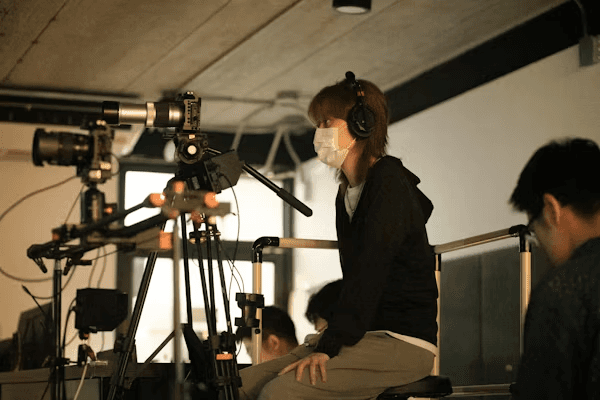
Research mentorship for media studies students | RISE Research
Research mentorship for media studies students | RISE Research
RISE Research
RISE Research
TL;DR: Research mentorship for media studies students gives high schoolers the tools to conduct original, university-level research on topics like algorithmic bias, media representation, and digital journalism. Through RISE Research, students work 1-on-1 with PhD mentors, publish in peer-reviewed journals, and build profiles that earn acceptance rates up to 3x higher at top universities. The Summer 2026 Priority Deadline is approaching soon. Schedule your Research Assessment today.
Why Media Studies Research Matters More Than You Think
How many high school students can say they have published original research on media framing, platform censorship, or the psychology of viral content? Very few. That gap is exactly where RISE Scholars gain their edge.
Research mentorship for media studies students is not about writing a longer essay. It is about producing original, methodologically sound work that contributes to an academic field. Universities at the level of Stanford, Oxford, and UPenn are not simply looking for students who consume media. They want students who analyze it, question it, and add to the scholarly conversation around it.
Media studies sits at the intersection of sociology, political science, communication theory, and data analysis. A student who can navigate that complexity, under the guidance of a PhD mentor, signals exactly the kind of intellectual maturity that top admissions committees reward. RISE scholars earn acceptance rates to Top 10 universities at 3x the national average, including an 18% Stanford acceptance rate compared to the standard 8.7%, and a 32% UPenn acceptance rate compared to the standard 3.8%.
The question is not whether media studies research can strengthen your application. The question is whether you will act on that opportunity before your peers do.
What Does High School Media Studies Research Actually Look Like?
High school media studies research uses both qualitative and quantitative methods to examine how media systems shape public understanding, culture, and behavior. Students design studies, collect data, analyze findings, and write scholarly papers that meet journal submission standards.
Qualitative methods in media studies research include content analysis, discourse analysis, and interview-based studies. A student might analyze how three major newspapers framed climate change coverage over a five-year period, coding each article for tone, source selection, and narrative structure. Quantitative methods include survey research, sentiment analysis using natural language processing tools, and statistical modeling of engagement data from social platforms.
RISE Scholars working in media studies have pursued topics such as:
"Algorithmic Amplification and Political Polarization: A Content Analysis of YouTube Recommendation Patterns"
"Gender Representation in Prime-Time Television Advertising: A Quantitative Study Across Five Markets"
"Framing Refugee Crises: A Comparative Discourse Analysis of European and North American News Coverage"
"The Parasocial Relationship Between Gen Z Audiences and Social Media Influencers: A Survey-Based Study"
"Digital News Literacy Among Adolescents: Measuring Source Evaluation Skills Across Socioeconomic Groups"
Each of these topics is specific, researchable, and grounded in existing academic literature. That specificity is what separates publishable research from a strong school essay. Browse completed RISE Research projects to see how students across disciplines have framed their original work.
The Mentors Behind the Research
RISE Research connects media studies students with PhD mentors who have active publishing records in communication studies, media theory, journalism research, and digital culture. The network includes over 500 PhD mentors affiliated with Ivy League and Oxbridge institutions, many of whom have published in the field's leading journals.
The matching process is deliberate. When a student applies to RISE, the program assesses their specific area of interest within media studies. A student focused on digital misinformation will be matched differently than one interested in film theory or broadcast journalism. Mentors are selected based on their research specialization, publishing history, and demonstrated ability to guide younger scholars through the research process.
Once matched, the mentor and student meet weekly in structured 1-on-1 sessions. The mentor does not write the research for the student. Instead, they guide the student through literature reviews, help refine the research question, review methodology design, and provide detailed feedback on drafts. This is the same kind of mentorship a first-year PhD student receives from a dissertation advisor, compressed into a high school timeline.
For media studies, this mentorship is particularly valuable because the field spans so many disciplines. A PhD mentor in communication studies can help a student understand which theoretical frameworks apply to their topic, which journals are the right fit, and how to write with the precision that peer reviewers expect. That guidance transforms a good idea into a publishable paper.
Where Does High School Media Studies Research Get Published?
High school students can publish original media studies research in peer-reviewed journals and academic conference proceedings that accept rigorous undergraduate and pre-collegiate work. Relevant venues include the Journal of Media Literacy Education, Young Scholars in Writing, Undergraduate Journal of Humanistic Studies, and select issues of the Journal of Communication Inquiry. Acceptance depends on methodology, originality, and scholarly framing.
Peer review matters because it signals to university admissions committees that an independent academic community has evaluated and validated the student's work. A paper accepted to a peer-reviewed journal is not a school project. It is a contribution to the field. That distinction carries weight in competitive applications.
RISE Research has a 90% publication success rate, with student work appearing in over 40 academic journals. Mentors guide students toward the right venues based on the scope and methodology of each paper. A quantitative study on social media engagement metrics will target a different journal than a qualitative discourse analysis of political advertising. Matching the paper to the right publication is a skill in itself, and RISE mentors bring that expertise directly to each student.
Beyond journals, media studies research can also be submitted to academic competitions and conferences. RISE Scholars have won awards at national and international levels, further strengthening their academic profiles before university applications.
How the RISE Research Program Works
The program moves through four structured stages. Each stage builds directly on the previous one, creating a clear path from initial idea to published paper.
The first stage is the Research Assessment. Before the program begins, each student completes a consultation to identify their interests within media studies, their current academic background, and their goals. This is not a test. It is a conversation designed to ensure the right mentor match and the right research direction. Students interested in media studies might arrive with broad interests in social media, journalism, or film. The assessment helps narrow that interest into a researchable, original question.
The second stage is Topic Development. Working with their assigned PhD mentor, students review existing literature, identify gaps in current research, and refine their question into a formal research proposal. For a media studies student, this might mean reading twenty academic papers on media framing before deciding that the existing literature has not adequately examined how regional newspapers in Southeast Asia covered the COVID-19 pandemic. That gap becomes the foundation of original research.
The third stage is Active Research. This is the longest and most intensive phase. Students collect data, apply their chosen methodology, analyze findings, and write the paper under continuous mentor supervision. Weekly sessions keep the work on track. Mentors provide feedback on every section, from the literature review to the discussion of limitations. The student does the intellectual work. The mentor ensures it meets publishable standards.
The fourth stage is Submission. The mentor guides the student through the journal selection process, helps prepare the manuscript for submission, and supports any revisions requested by peer reviewers. RISE's 90% publication success rate reflects both the rigor of the research process and the quality of mentor guidance at this final stage.
The Summer 2026 Cohort is now open. The Priority Admission Deadline is approaching soon. If you are a high school student interested in media studies research, now is the time to secure your place. Schedule your Research Assessment and take the first step toward published, recognized academic work.
Frequently Asked Questions About Media Studies Research Mentorship
Do I need prior research experience to start media studies research mentorship?
No prior research experience is required. RISE Research is designed for high school students in Grades 9 through 12 who have strong academic curiosity but no formal research background. The program begins with foundational guidance on how academic research works, what a literature review is, and how to build a methodology from scratch. Your mentor meets you at your current level and builds from there.
Many RISE Scholars begin the program having only written school essays. By the end, they have produced peer-reviewed academic papers. The structured four-stage process, combined with weekly 1-on-1 mentorship, makes that progression achievable for motivated students at any starting point.
What kind of media studies research topics work best for high school students?
The best topics are specific, original, and researchable with available data or accessible participants. Topics that examine digital media behavior, news framing, representation in popular culture, or media literacy among youth tend to be strong fits. They are grounded in observable phenomena and supported by a rich body of existing academic literature that students can engage with critically.
Topics that are too broad, such as "social media and society," are difficult to research rigorously at any level. A RISE mentor helps students narrow their interest into a focused question. For example, a broad interest in influencer culture might become a survey-based study measuring the effect of sponsored content disclosure on perceived authenticity among teenage audiences in a specific country.
Can media studies research help with Ivy League university admissions?
Yes. Published media studies research significantly strengthens university applications to Ivy League and top-tier institutions. RISE scholars are accepted to Top 10 universities at 3x the standard rate. Stanford's acceptance rate for RISE scholars is 18%, compared to the national average of 8.7%. UPenn's rate is 32%, compared to the standard 3.8%.
Admissions committees at elite universities look for evidence of intellectual initiative beyond the classroom. A peer-reviewed publication in a communication or media studies journal demonstrates exactly that. It shows that a student can identify a problem, design a study, engage with academic literature, and contribute original thinking to a field. That profile is rare among high school applicants and highly valued by selective programs.
How long does the media studies research mentorship program take?
The program typically runs for 12 to 16 weeks, depending on the complexity of the research topic and the student's pace. Weekly 1-on-1 sessions with a PhD mentor structure the timeline from topic development through to journal submission. Most students complete their first draft within 10 weeks and move into the submission and revision stage in the final weeks of the program.
Media studies research that involves primary data collection, such as surveys or interviews, may require additional time for data gathering before analysis begins. The Research Assessment at the start of the program accounts for this and sets a realistic timeline for each student.
What makes RISE Research different from other high school research programs?
RISE Research is a selective 1-on-1 mentorship program. Every student works directly with a PhD mentor matched to their specific subject area, not a generalist tutor or a group workshop facilitator. The program's 90% publication success rate and its network of 500+ PhD mentors from Ivy League and Oxbridge institutions set it apart from broader academic enrichment programs.
For media studies specifically, the depth of mentor expertise matters. A PhD mentor who has published in communication journals understands the field's methodological standards, its key theoretical frameworks, and its most respected publication venues. That subject-specific knowledge is what makes the difference between a paper that gets accepted and one that does not. Read more about how RISE Research works and what students can expect from the program.
Start Your Media Studies Research Journey
Media studies is one of the most dynamic and consequential fields in contemporary academia. The questions it asks, about who controls information, how narratives are constructed, and what media does to public understanding, are among the most important of our time. High school students who engage with those questions at a research level do not just build stronger applications. They build the intellectual foundation for meaningful careers in journalism, policy, communications, and beyond.
RISE Research gives media studies students the structure, the mentorship, and the publication pathway to make that engagement real. With a 90% publication success rate and a mentor network spanning the world's leading universities, the program delivers outcomes that matter. If you are a student in Grades 9 through 12 with a serious interest in media studies research, the Summer 2026 Cohort is your opportunity. The Priority Admission Deadline is approaching soon. Schedule your Research Assessment now and take the first step toward published, recognized academic work that will define your university profile. You can also explore research mentorship for statistics students or research mentorship for business studies students if you are considering interdisciplinary approaches to your media studies work.
TL;DR: Research mentorship for media studies students gives high schoolers the tools to conduct original, university-level research on topics like algorithmic bias, media representation, and digital journalism. Through RISE Research, students work 1-on-1 with PhD mentors, publish in peer-reviewed journals, and build profiles that earn acceptance rates up to 3x higher at top universities. The Summer 2026 Priority Deadline is approaching soon. Schedule your Research Assessment today.
Why Media Studies Research Matters More Than You Think
How many high school students can say they have published original research on media framing, platform censorship, or the psychology of viral content? Very few. That gap is exactly where RISE Scholars gain their edge.
Research mentorship for media studies students is not about writing a longer essay. It is about producing original, methodologically sound work that contributes to an academic field. Universities at the level of Stanford, Oxford, and UPenn are not simply looking for students who consume media. They want students who analyze it, question it, and add to the scholarly conversation around it.
Media studies sits at the intersection of sociology, political science, communication theory, and data analysis. A student who can navigate that complexity, under the guidance of a PhD mentor, signals exactly the kind of intellectual maturity that top admissions committees reward. RISE scholars earn acceptance rates to Top 10 universities at 3x the national average, including an 18% Stanford acceptance rate compared to the standard 8.7%, and a 32% UPenn acceptance rate compared to the standard 3.8%.
The question is not whether media studies research can strengthen your application. The question is whether you will act on that opportunity before your peers do.
What Does High School Media Studies Research Actually Look Like?
High school media studies research uses both qualitative and quantitative methods to examine how media systems shape public understanding, culture, and behavior. Students design studies, collect data, analyze findings, and write scholarly papers that meet journal submission standards.
Qualitative methods in media studies research include content analysis, discourse analysis, and interview-based studies. A student might analyze how three major newspapers framed climate change coverage over a five-year period, coding each article for tone, source selection, and narrative structure. Quantitative methods include survey research, sentiment analysis using natural language processing tools, and statistical modeling of engagement data from social platforms.
RISE Scholars working in media studies have pursued topics such as:
"Algorithmic Amplification and Political Polarization: A Content Analysis of YouTube Recommendation Patterns"
"Gender Representation in Prime-Time Television Advertising: A Quantitative Study Across Five Markets"
"Framing Refugee Crises: A Comparative Discourse Analysis of European and North American News Coverage"
"The Parasocial Relationship Between Gen Z Audiences and Social Media Influencers: A Survey-Based Study"
"Digital News Literacy Among Adolescents: Measuring Source Evaluation Skills Across Socioeconomic Groups"
Each of these topics is specific, researchable, and grounded in existing academic literature. That specificity is what separates publishable research from a strong school essay. Browse completed RISE Research projects to see how students across disciplines have framed their original work.
The Mentors Behind the Research
RISE Research connects media studies students with PhD mentors who have active publishing records in communication studies, media theory, journalism research, and digital culture. The network includes over 500 PhD mentors affiliated with Ivy League and Oxbridge institutions, many of whom have published in the field's leading journals.
The matching process is deliberate. When a student applies to RISE, the program assesses their specific area of interest within media studies. A student focused on digital misinformation will be matched differently than one interested in film theory or broadcast journalism. Mentors are selected based on their research specialization, publishing history, and demonstrated ability to guide younger scholars through the research process.
Once matched, the mentor and student meet weekly in structured 1-on-1 sessions. The mentor does not write the research for the student. Instead, they guide the student through literature reviews, help refine the research question, review methodology design, and provide detailed feedback on drafts. This is the same kind of mentorship a first-year PhD student receives from a dissertation advisor, compressed into a high school timeline.
For media studies, this mentorship is particularly valuable because the field spans so many disciplines. A PhD mentor in communication studies can help a student understand which theoretical frameworks apply to their topic, which journals are the right fit, and how to write with the precision that peer reviewers expect. That guidance transforms a good idea into a publishable paper.
Where Does High School Media Studies Research Get Published?
High school students can publish original media studies research in peer-reviewed journals and academic conference proceedings that accept rigorous undergraduate and pre-collegiate work. Relevant venues include the Journal of Media Literacy Education, Young Scholars in Writing, Undergraduate Journal of Humanistic Studies, and select issues of the Journal of Communication Inquiry. Acceptance depends on methodology, originality, and scholarly framing.
Peer review matters because it signals to university admissions committees that an independent academic community has evaluated and validated the student's work. A paper accepted to a peer-reviewed journal is not a school project. It is a contribution to the field. That distinction carries weight in competitive applications.
RISE Research has a 90% publication success rate, with student work appearing in over 40 academic journals. Mentors guide students toward the right venues based on the scope and methodology of each paper. A quantitative study on social media engagement metrics will target a different journal than a qualitative discourse analysis of political advertising. Matching the paper to the right publication is a skill in itself, and RISE mentors bring that expertise directly to each student.
Beyond journals, media studies research can also be submitted to academic competitions and conferences. RISE Scholars have won awards at national and international levels, further strengthening their academic profiles before university applications.
How the RISE Research Program Works
The program moves through four structured stages. Each stage builds directly on the previous one, creating a clear path from initial idea to published paper.
The first stage is the Research Assessment. Before the program begins, each student completes a consultation to identify their interests within media studies, their current academic background, and their goals. This is not a test. It is a conversation designed to ensure the right mentor match and the right research direction. Students interested in media studies might arrive with broad interests in social media, journalism, or film. The assessment helps narrow that interest into a researchable, original question.
The second stage is Topic Development. Working with their assigned PhD mentor, students review existing literature, identify gaps in current research, and refine their question into a formal research proposal. For a media studies student, this might mean reading twenty academic papers on media framing before deciding that the existing literature has not adequately examined how regional newspapers in Southeast Asia covered the COVID-19 pandemic. That gap becomes the foundation of original research.
The third stage is Active Research. This is the longest and most intensive phase. Students collect data, apply their chosen methodology, analyze findings, and write the paper under continuous mentor supervision. Weekly sessions keep the work on track. Mentors provide feedback on every section, from the literature review to the discussion of limitations. The student does the intellectual work. The mentor ensures it meets publishable standards.
The fourth stage is Submission. The mentor guides the student through the journal selection process, helps prepare the manuscript for submission, and supports any revisions requested by peer reviewers. RISE's 90% publication success rate reflects both the rigor of the research process and the quality of mentor guidance at this final stage.
The Summer 2026 Cohort is now open. The Priority Admission Deadline is approaching soon. If you are a high school student interested in media studies research, now is the time to secure your place. Schedule your Research Assessment and take the first step toward published, recognized academic work.
Frequently Asked Questions About Media Studies Research Mentorship
Do I need prior research experience to start media studies research mentorship?
No prior research experience is required. RISE Research is designed for high school students in Grades 9 through 12 who have strong academic curiosity but no formal research background. The program begins with foundational guidance on how academic research works, what a literature review is, and how to build a methodology from scratch. Your mentor meets you at your current level and builds from there.
Many RISE Scholars begin the program having only written school essays. By the end, they have produced peer-reviewed academic papers. The structured four-stage process, combined with weekly 1-on-1 mentorship, makes that progression achievable for motivated students at any starting point.
What kind of media studies research topics work best for high school students?
The best topics are specific, original, and researchable with available data or accessible participants. Topics that examine digital media behavior, news framing, representation in popular culture, or media literacy among youth tend to be strong fits. They are grounded in observable phenomena and supported by a rich body of existing academic literature that students can engage with critically.
Topics that are too broad, such as "social media and society," are difficult to research rigorously at any level. A RISE mentor helps students narrow their interest into a focused question. For example, a broad interest in influencer culture might become a survey-based study measuring the effect of sponsored content disclosure on perceived authenticity among teenage audiences in a specific country.
Can media studies research help with Ivy League university admissions?
Yes. Published media studies research significantly strengthens university applications to Ivy League and top-tier institutions. RISE scholars are accepted to Top 10 universities at 3x the standard rate. Stanford's acceptance rate for RISE scholars is 18%, compared to the national average of 8.7%. UPenn's rate is 32%, compared to the standard 3.8%.
Admissions committees at elite universities look for evidence of intellectual initiative beyond the classroom. A peer-reviewed publication in a communication or media studies journal demonstrates exactly that. It shows that a student can identify a problem, design a study, engage with academic literature, and contribute original thinking to a field. That profile is rare among high school applicants and highly valued by selective programs.
How long does the media studies research mentorship program take?
The program typically runs for 12 to 16 weeks, depending on the complexity of the research topic and the student's pace. Weekly 1-on-1 sessions with a PhD mentor structure the timeline from topic development through to journal submission. Most students complete their first draft within 10 weeks and move into the submission and revision stage in the final weeks of the program.
Media studies research that involves primary data collection, such as surveys or interviews, may require additional time for data gathering before analysis begins. The Research Assessment at the start of the program accounts for this and sets a realistic timeline for each student.
What makes RISE Research different from other high school research programs?
RISE Research is a selective 1-on-1 mentorship program. Every student works directly with a PhD mentor matched to their specific subject area, not a generalist tutor or a group workshop facilitator. The program's 90% publication success rate and its network of 500+ PhD mentors from Ivy League and Oxbridge institutions set it apart from broader academic enrichment programs.
For media studies specifically, the depth of mentor expertise matters. A PhD mentor who has published in communication journals understands the field's methodological standards, its key theoretical frameworks, and its most respected publication venues. That subject-specific knowledge is what makes the difference between a paper that gets accepted and one that does not. Read more about how RISE Research works and what students can expect from the program.
Start Your Media Studies Research Journey
Media studies is one of the most dynamic and consequential fields in contemporary academia. The questions it asks, about who controls information, how narratives are constructed, and what media does to public understanding, are among the most important of our time. High school students who engage with those questions at a research level do not just build stronger applications. They build the intellectual foundation for meaningful careers in journalism, policy, communications, and beyond.
RISE Research gives media studies students the structure, the mentorship, and the publication pathway to make that engagement real. With a 90% publication success rate and a mentor network spanning the world's leading universities, the program delivers outcomes that matter. If you are a student in Grades 9 through 12 with a serious interest in media studies research, the Summer 2026 Cohort is your opportunity. The Priority Admission Deadline is approaching soon. Schedule your Research Assessment now and take the first step toward published, recognized academic work that will define your university profile. You can also explore research mentorship for statistics students or research mentorship for business studies students if you are considering interdisciplinary approaches to your media studies work.
Fall 2026 Cohort Deadline Closing on 15th September
Book a free 20-min strategy call
Book a free 20-min strategy call
Read More