>
>
>
Research mentorship for comparative literature students
Research mentorship for comparative literature students
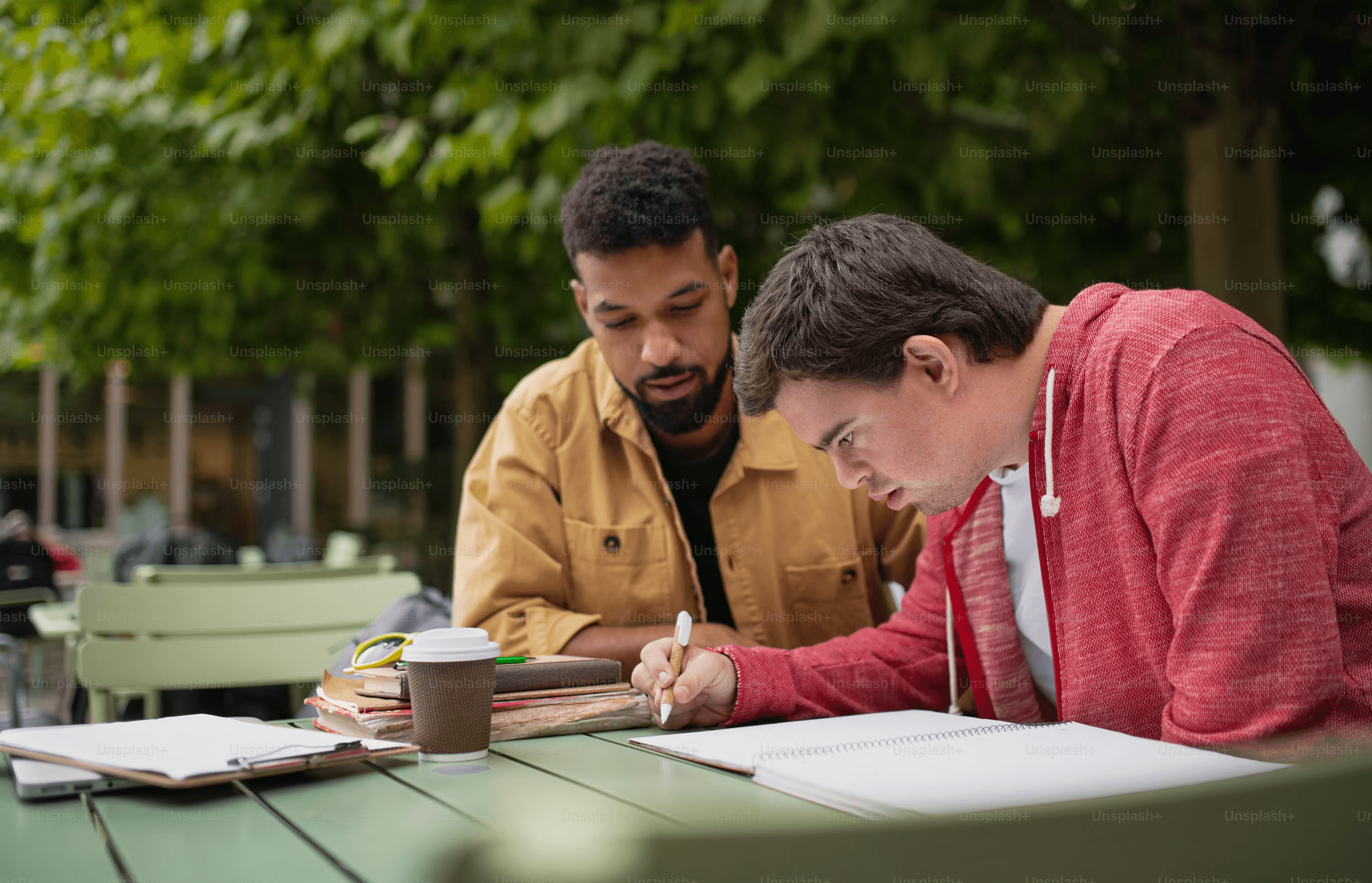
Research mentorship for comparative literature students | RISE Research
Research mentorship for comparative literature students | RISE Research
RISE Research
RISE Research
TL;DR: Research mentorship for comparative literature students gives high school scholars the tools to conduct original, peer-reviewed research across languages, cultures, and literary traditions. Through RISE Research, students work 1-on-1 with PhD mentors from Ivy League and Oxbridge universities, publish in academic journals, and build university profiles that stand apart. RISE scholars are accepted to Top 10 universities at 3x the standard rate. The Summer 2026 Cohort priority deadline is approaching soon. Schedule your Research Assessment today.
Introduction: The Question That Changes Everything
What separates a student who reads great literature from a student who contributes to the conversation about it? Most high school students engage with texts as readers. A small number learn to engage as scholars. Research mentorship for comparative literature students is the bridge between those two positions, and the difference it makes in university admissions is measurable.
Comparative literature is one of the most intellectually demanding fields a high school student can enter. It requires fluency across languages, sensitivity to cultural context, and the ability to construct arguments that hold up under academic scrutiny. These are exactly the skills that top universities want to see demonstrated, not just claimed, on an application.
RISE Research is a selective 1-on-1 mentorship program where high school students publish original research, win awards, and earn global recognition under PhD mentors. For students drawn to literature, language, and cross-cultural inquiry, RISE offers a direct path from curiosity to published scholarship. RISE scholars are accepted to Top 10 universities at 3x the standard rate, with an 18% acceptance rate to Stanford compared to the standard 8.7%, and a 32% acceptance rate to UPenn compared to the standard 3.8%.
What Does Comparative Literature Research Look Like for High School Students?
Comparative literature research at the high school level is original, argument-driven scholarly work that examines texts, themes, or narrative traditions across at least two literary traditions, languages, or historical periods. A student does not simply summarize texts. Instead, they develop a thesis, apply a critical framework, and produce findings that contribute something new to the field.
The methodologies available in comparative literature are rich and varied. Students can pursue close reading and textual analysis, postcolonial theory, feminist literary criticism, translation studies, narratology, or historical-cultural contextualization. The choice of method depends on the research question and the mentor's area of expertise.
Here are five specific research topics that RISE scholars have developed or could develop in comparative literature:
1. Representations of Displacement in Postcolonial African and South Asian Fiction: A comparative analysis of how Chinua Achebe and Arundhati Roy construct identity under colonial and postcolonial pressures, examining narrative voice and structural fragmentation as political tools.
2. The Unreliable Narrator Across Cultures: A Comparative Study of Kazuo Ishiguro and Yasunari Kawabata: This paper examines how cultural conceptions of memory and shame shape the mechanics of narrative unreliability in Japanese and British literary traditions.
3. Magical Realism as Political Resistance in Latin American and Eastern European Literature: A cross-cultural reading of Gabriel García Márquez and Milan Kundera, arguing that magical realism functions as a coded critique of authoritarian regimes in both traditions.
4. Gender and Silence in Classical Arabic Poetry and Medieval European Lyric Verse: A quantitative and qualitative analysis of how female voices are constructed, suppressed, or ventriloquized across two pre-modern poetic traditions.
5. Translation as Interpretation: How English Translations of Dante's Inferno Reconstruct Theological Meaning: A close comparative analysis of five English translations, arguing that each translator's theological assumptions reshape the moral architecture of the original text.
Each of these topics is specific enough to produce a genuine scholarly contribution. None of them require laboratory equipment or expensive data sets. They require rigorous thinking, access to primary texts, and expert mentorship. That is exactly what RISE Research provides. You can explore more completed student work on the RISE Research Projects page.
The Mentors Behind Comparative Literature Research at RISE
The quality of a research project depends almost entirely on the quality of the mentor. RISE Research maintains a network of 500+ PhD mentors, many of whom hold appointments at Ivy League and Oxbridge institutions. Within comparative literature and related humanities fields, these mentors bring specializations in world literature, translation theory, postcolonial studies, literary theory, and digital humanities.
The matching process is deliberate. When a student applies to RISE Research, the admissions team reviews their academic background, the languages they read, and the literary traditions they are most drawn to. That profile is then matched against mentor availability and expertise. A student interested in Arabic-French literary exchange will not be paired with a specialist in East Asian modernism. The match is precise because the research depends on it.
Once matched, the mentor does not simply assign readings. They work with the student to identify a gap in existing scholarship, develop a research question that fills that gap, and guide the student through the process of constructing an original argument. Mentors provide feedback on drafts, recommend primary and secondary sources, and prepare students for the peer review process. Meet the RISE Research mentor network to understand the depth of expertise available to enrolled scholars.
For students who have read broadly but never written for an academic audience, this mentorship is transformative. The mentor bridges the gap between a student's intellectual instincts and the formal conventions of scholarly writing.
Where Does High School Comparative Literature Research Get Published?
High school comparative literature research can be published in peer-reviewed academic journals and undergraduate research publications that explicitly accept work from pre-university scholars. Publication venues include the Journal of Comparative Literature and Aesthetics, the Concord Review (which publishes outstanding history and humanities essays by secondary students), Dialogue: The Interdisciplinary Journal of Popular Culture and Pedagogy, and university-hosted undergraduate journals that accept exceptional secondary school submissions. RISE scholars have also presented comparative literature research at international humanities conferences, earning recognition beyond publication.
Peer review matters because it is the standard by which academic knowledge is validated. When a student's comparative literature research survives peer review, it signals to university admissions committees that the work meets a standard set by experts in the field, not just teachers or program coordinators. That distinction carries significant weight. View the full list of RISE publication venues to see where RISE scholars have placed their work across disciplines.
RISE Research reports a 90% publication success rate across its scholar cohorts. For a humanities student, that figure represents a real and achievable outcome, not an aspirational one.
How RISE Research Works: From Assessment to Publication
The RISE Research program moves through four structured stages. Each stage builds on the last, and the process is designed to take a student from initial interest to a submitted, publication-ready paper.
The first stage is the Research Assessment. A student schedules a consultation with the RISE admissions team. During this conversation, the team evaluates the student's academic background, the languages they read, and the literary questions they find most compelling. This is not a test. It is a structured conversation designed to identify where the student's intellectual energy is strongest and which mentor would serve them best.
The second stage is Topic Development. Over the first two weeks of the program, the student and mentor work together to define the research question. This is often the most intellectually demanding part of the process. A good research question in comparative literature must be specific enough to be answerable, broad enough to be significant, and original enough to contribute something new. The mentor guides this refinement with direct feedback and examples from existing scholarship.
The third stage is Active Research. This is the longest phase of the program. The student conducts close readings, builds a secondary literature review, develops their argument, and writes drafts. The mentor provides structured feedback at each stage. Weekly check-ins keep the project on schedule. For a student writing about, say, the representation of exile in contemporary Arabic and Persian poetry, this phase involves deep engagement with primary texts in translation (or in the original language, if the student has that ability) and with the critical frameworks that scholars have already applied to those texts.
The fourth stage is Submission. The mentor helps the student prepare the final manuscript according to the style guidelines of the target journal. This includes formatting citations, writing an abstract, and responding to any initial editorial feedback. The goal is a submitted paper by the end of the program cycle.
If you are a high school student with a serious interest in literature across cultures, the Summer 2026 Cohort is now accepting applications. The priority admission deadline is approaching soon. Schedule your Research Assessment to begin the process.
Students interested in how this structured process compares to other disciplines can also read about research mentorship for chemistry students or explore how research mentorship for statistics students applies similar rigor to quantitative fields.
Frequently Asked Questions About Research Mentorship for Comparative Literature Students
Do I need to know multiple languages to pursue comparative literature research?
No. Comparative literature research can be conducted using high-quality translations, and many significant papers in the field rely on translated texts. However, if you read two or more languages, your mentor will help you use that ability as a scholarly advantage. RISE mentors work with students at all language levels and help them identify research questions appropriate to their linguistic background.
Is comparative literature research taken seriously by university admissions committees?
Yes. Published humanities research is viewed as strong evidence of intellectual independence and original thinking, qualities that top universities explicitly seek in applicants. A peer-reviewed publication in a humanities journal demonstrates that a student can construct a sustained argument, engage with existing scholarship, and contribute something original. These are exactly the skills that Ivy League and Oxbridge programs want to see before admitting a student to study literature or the humanities at the university level.
What if I have never written an academic paper before?
Most RISE scholars begin the program without prior experience in academic writing. The mentor's role is specifically to teach the conventions of scholarly writing alongside the content of the research. You will learn how to construct a literature review, build an argument, use citations correctly, and write for an academic audience. The program is designed for students who are capable but not yet trained, not for students who already have graduate-level skills.
How long does the RISE Research program take for a comparative literature project?
The program typically runs over 12 to 16 weeks, depending on the complexity of the research question and the target journal's requirements. Comparative literature projects that involve extensive primary text analysis may run closer to 16 weeks. The structured four-stage process ensures that time is used efficiently. Students typically spend 5 to 8 hours per week on their research during the active phase. Visit the RISE Research FAQ page for a full breakdown of the program timeline.
Can research mentorship for comparative literature students help with awards as well as publications?
Yes. RISE Research prepares students not only for journal submission but also for national and international academic competitions in the humanities. Published research and conference presentations strengthen applications to programs like the National Humanities Medal competitions, regional writing awards, and international youth academic forums. See the awards RISE scholars have earned across disciplines to understand the full scope of recognition available through the program.
Build a Scholarly Profile That Speaks for Itself
Comparative literature is a field that rewards students who think across boundaries. The best scholars in this discipline are those who can hold two literary traditions in mind at once and find something true in the space between them. That kind of thinking can be developed, and it can be demonstrated through original research.
RISE Research gives high school students the structure, the mentorship, and the publication pathway to do exactly that. The program's outcomes speak clearly: a 90% publication success rate, a 3x higher acceptance rate to Top 10 universities, and a network of 500+ PhD mentors who are invested in each scholar's success.
The Summer 2026 Cohort is now open. The priority admission deadline is approaching soon. If you are a high school student serious about comparative literature and serious about your university future, this is the moment to act. Schedule your Research Assessment at RISE Research and begin building a scholarly profile that no application essay alone can replicate.
TL;DR: Research mentorship for comparative literature students gives high school scholars the tools to conduct original, peer-reviewed research across languages, cultures, and literary traditions. Through RISE Research, students work 1-on-1 with PhD mentors from Ivy League and Oxbridge universities, publish in academic journals, and build university profiles that stand apart. RISE scholars are accepted to Top 10 universities at 3x the standard rate. The Summer 2026 Cohort priority deadline is approaching soon. Schedule your Research Assessment today.
Introduction: The Question That Changes Everything
What separates a student who reads great literature from a student who contributes to the conversation about it? Most high school students engage with texts as readers. A small number learn to engage as scholars. Research mentorship for comparative literature students is the bridge between those two positions, and the difference it makes in university admissions is measurable.
Comparative literature is one of the most intellectually demanding fields a high school student can enter. It requires fluency across languages, sensitivity to cultural context, and the ability to construct arguments that hold up under academic scrutiny. These are exactly the skills that top universities want to see demonstrated, not just claimed, on an application.
RISE Research is a selective 1-on-1 mentorship program where high school students publish original research, win awards, and earn global recognition under PhD mentors. For students drawn to literature, language, and cross-cultural inquiry, RISE offers a direct path from curiosity to published scholarship. RISE scholars are accepted to Top 10 universities at 3x the standard rate, with an 18% acceptance rate to Stanford compared to the standard 8.7%, and a 32% acceptance rate to UPenn compared to the standard 3.8%.
What Does Comparative Literature Research Look Like for High School Students?
Comparative literature research at the high school level is original, argument-driven scholarly work that examines texts, themes, or narrative traditions across at least two literary traditions, languages, or historical periods. A student does not simply summarize texts. Instead, they develop a thesis, apply a critical framework, and produce findings that contribute something new to the field.
The methodologies available in comparative literature are rich and varied. Students can pursue close reading and textual analysis, postcolonial theory, feminist literary criticism, translation studies, narratology, or historical-cultural contextualization. The choice of method depends on the research question and the mentor's area of expertise.
Here are five specific research topics that RISE scholars have developed or could develop in comparative literature:
1. Representations of Displacement in Postcolonial African and South Asian Fiction: A comparative analysis of how Chinua Achebe and Arundhati Roy construct identity under colonial and postcolonial pressures, examining narrative voice and structural fragmentation as political tools.
2. The Unreliable Narrator Across Cultures: A Comparative Study of Kazuo Ishiguro and Yasunari Kawabata: This paper examines how cultural conceptions of memory and shame shape the mechanics of narrative unreliability in Japanese and British literary traditions.
3. Magical Realism as Political Resistance in Latin American and Eastern European Literature: A cross-cultural reading of Gabriel García Márquez and Milan Kundera, arguing that magical realism functions as a coded critique of authoritarian regimes in both traditions.
4. Gender and Silence in Classical Arabic Poetry and Medieval European Lyric Verse: A quantitative and qualitative analysis of how female voices are constructed, suppressed, or ventriloquized across two pre-modern poetic traditions.
5. Translation as Interpretation: How English Translations of Dante's Inferno Reconstruct Theological Meaning: A close comparative analysis of five English translations, arguing that each translator's theological assumptions reshape the moral architecture of the original text.
Each of these topics is specific enough to produce a genuine scholarly contribution. None of them require laboratory equipment or expensive data sets. They require rigorous thinking, access to primary texts, and expert mentorship. That is exactly what RISE Research provides. You can explore more completed student work on the RISE Research Projects page.
The Mentors Behind Comparative Literature Research at RISE
The quality of a research project depends almost entirely on the quality of the mentor. RISE Research maintains a network of 500+ PhD mentors, many of whom hold appointments at Ivy League and Oxbridge institutions. Within comparative literature and related humanities fields, these mentors bring specializations in world literature, translation theory, postcolonial studies, literary theory, and digital humanities.
The matching process is deliberate. When a student applies to RISE Research, the admissions team reviews their academic background, the languages they read, and the literary traditions they are most drawn to. That profile is then matched against mentor availability and expertise. A student interested in Arabic-French literary exchange will not be paired with a specialist in East Asian modernism. The match is precise because the research depends on it.
Once matched, the mentor does not simply assign readings. They work with the student to identify a gap in existing scholarship, develop a research question that fills that gap, and guide the student through the process of constructing an original argument. Mentors provide feedback on drafts, recommend primary and secondary sources, and prepare students for the peer review process. Meet the RISE Research mentor network to understand the depth of expertise available to enrolled scholars.
For students who have read broadly but never written for an academic audience, this mentorship is transformative. The mentor bridges the gap between a student's intellectual instincts and the formal conventions of scholarly writing.
Where Does High School Comparative Literature Research Get Published?
High school comparative literature research can be published in peer-reviewed academic journals and undergraduate research publications that explicitly accept work from pre-university scholars. Publication venues include the Journal of Comparative Literature and Aesthetics, the Concord Review (which publishes outstanding history and humanities essays by secondary students), Dialogue: The Interdisciplinary Journal of Popular Culture and Pedagogy, and university-hosted undergraduate journals that accept exceptional secondary school submissions. RISE scholars have also presented comparative literature research at international humanities conferences, earning recognition beyond publication.
Peer review matters because it is the standard by which academic knowledge is validated. When a student's comparative literature research survives peer review, it signals to university admissions committees that the work meets a standard set by experts in the field, not just teachers or program coordinators. That distinction carries significant weight. View the full list of RISE publication venues to see where RISE scholars have placed their work across disciplines.
RISE Research reports a 90% publication success rate across its scholar cohorts. For a humanities student, that figure represents a real and achievable outcome, not an aspirational one.
How RISE Research Works: From Assessment to Publication
The RISE Research program moves through four structured stages. Each stage builds on the last, and the process is designed to take a student from initial interest to a submitted, publication-ready paper.
The first stage is the Research Assessment. A student schedules a consultation with the RISE admissions team. During this conversation, the team evaluates the student's academic background, the languages they read, and the literary questions they find most compelling. This is not a test. It is a structured conversation designed to identify where the student's intellectual energy is strongest and which mentor would serve them best.
The second stage is Topic Development. Over the first two weeks of the program, the student and mentor work together to define the research question. This is often the most intellectually demanding part of the process. A good research question in comparative literature must be specific enough to be answerable, broad enough to be significant, and original enough to contribute something new. The mentor guides this refinement with direct feedback and examples from existing scholarship.
The third stage is Active Research. This is the longest phase of the program. The student conducts close readings, builds a secondary literature review, develops their argument, and writes drafts. The mentor provides structured feedback at each stage. Weekly check-ins keep the project on schedule. For a student writing about, say, the representation of exile in contemporary Arabic and Persian poetry, this phase involves deep engagement with primary texts in translation (or in the original language, if the student has that ability) and with the critical frameworks that scholars have already applied to those texts.
The fourth stage is Submission. The mentor helps the student prepare the final manuscript according to the style guidelines of the target journal. This includes formatting citations, writing an abstract, and responding to any initial editorial feedback. The goal is a submitted paper by the end of the program cycle.
If you are a high school student with a serious interest in literature across cultures, the Summer 2026 Cohort is now accepting applications. The priority admission deadline is approaching soon. Schedule your Research Assessment to begin the process.
Students interested in how this structured process compares to other disciplines can also read about research mentorship for chemistry students or explore how research mentorship for statistics students applies similar rigor to quantitative fields.
Frequently Asked Questions About Research Mentorship for Comparative Literature Students
Do I need to know multiple languages to pursue comparative literature research?
No. Comparative literature research can be conducted using high-quality translations, and many significant papers in the field rely on translated texts. However, if you read two or more languages, your mentor will help you use that ability as a scholarly advantage. RISE mentors work with students at all language levels and help them identify research questions appropriate to their linguistic background.
Is comparative literature research taken seriously by university admissions committees?
Yes. Published humanities research is viewed as strong evidence of intellectual independence and original thinking, qualities that top universities explicitly seek in applicants. A peer-reviewed publication in a humanities journal demonstrates that a student can construct a sustained argument, engage with existing scholarship, and contribute something original. These are exactly the skills that Ivy League and Oxbridge programs want to see before admitting a student to study literature or the humanities at the university level.
What if I have never written an academic paper before?
Most RISE scholars begin the program without prior experience in academic writing. The mentor's role is specifically to teach the conventions of scholarly writing alongside the content of the research. You will learn how to construct a literature review, build an argument, use citations correctly, and write for an academic audience. The program is designed for students who are capable but not yet trained, not for students who already have graduate-level skills.
How long does the RISE Research program take for a comparative literature project?
The program typically runs over 12 to 16 weeks, depending on the complexity of the research question and the target journal's requirements. Comparative literature projects that involve extensive primary text analysis may run closer to 16 weeks. The structured four-stage process ensures that time is used efficiently. Students typically spend 5 to 8 hours per week on their research during the active phase. Visit the RISE Research FAQ page for a full breakdown of the program timeline.
Can research mentorship for comparative literature students help with awards as well as publications?
Yes. RISE Research prepares students not only for journal submission but also for national and international academic competitions in the humanities. Published research and conference presentations strengthen applications to programs like the National Humanities Medal competitions, regional writing awards, and international youth academic forums. See the awards RISE scholars have earned across disciplines to understand the full scope of recognition available through the program.
Build a Scholarly Profile That Speaks for Itself
Comparative literature is a field that rewards students who think across boundaries. The best scholars in this discipline are those who can hold two literary traditions in mind at once and find something true in the space between them. That kind of thinking can be developed, and it can be demonstrated through original research.
RISE Research gives high school students the structure, the mentorship, and the publication pathway to do exactly that. The program's outcomes speak clearly: a 90% publication success rate, a 3x higher acceptance rate to Top 10 universities, and a network of 500+ PhD mentors who are invested in each scholar's success.
The Summer 2026 Cohort is now open. The priority admission deadline is approaching soon. If you are a high school student serious about comparative literature and serious about your university future, this is the moment to act. Schedule your Research Assessment at RISE Research and begin building a scholarly profile that no application essay alone can replicate.
Fall 2026 Cohort Deadline Closing on 15th September
Book a free 20-min strategy call
Book a free 20-min strategy call
Read More