>
>
>
Marine Biology Research Project Ideas for High School Students
Marine Biology Research Project Ideas for High School Students
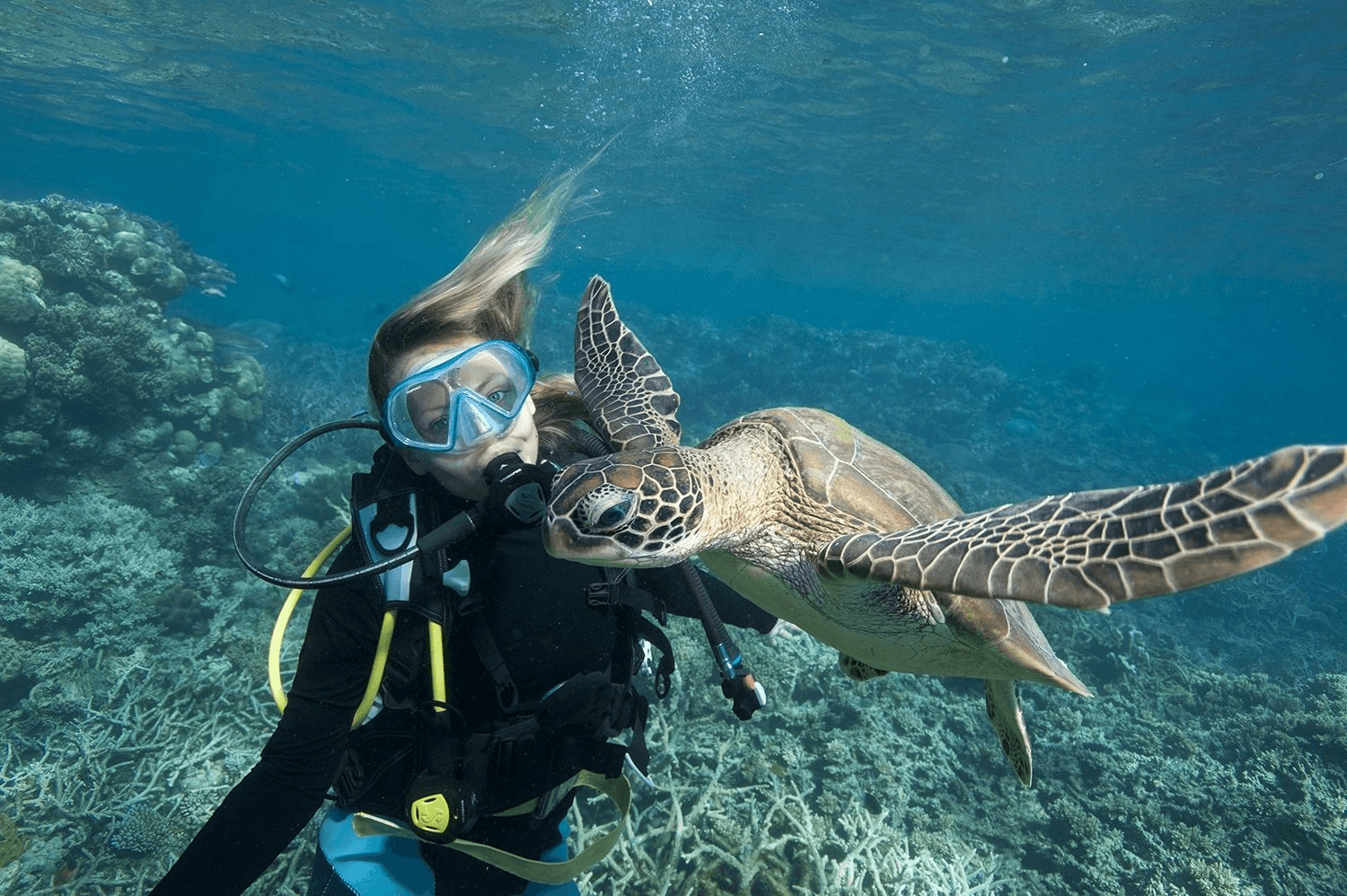
Marine Biology Research Project Ideas for High School Students | RISE Research
Marine Biology Research Project Ideas for High School Students | RISE Research
RISE Research
RISE Research
TL;DR: Marine biology research project ideas for high school students range from analysing publicly available ocean temperature datasets to conducting original surveys on coastal biodiversity. A publishable project differs from a classroom assignment in one key way: it asks a specific, unanswered question and uses a real method to answer it. If you want expert guidance to turn one of these ideas into a peer-reviewed paper, RISE Research offers 1-on-1 mentorship with marine biology specialists. Our deadline is closing soon.
Why Marine Biology Is an Exceptionally Strong Field for High School Research
Marine biology research project ideas for high school students have never been more timely. Ocean acidification, coral bleaching, microplastic accumulation, and shifting fish populations are all active research frontiers. Scientists do not have all the answers. That means a motivated high school student with a focused question can make a genuine contribution.
The methods available to high school researchers in this field are broader than most students realise. You do not need a research vessel or a university lab. Publicly available datasets from NOAA, the Ocean Biodiversity Information System (OBIS), and NASA Earthdata contain decades of oceanographic records. Coastal fieldwork, species identification surveys, and water quality sampling are all feasible without institutional affiliation.
The gap most students fall into is scope. They choose a topic like "the effects of climate change on ocean life" and produce a literature review that goes nowhere. Or they choose something so narrow that no journal would consider it relevant. RISE Research helps students find the precise middle ground: a specific, original, publishable marine biology question matched to their exact skill level and timeline.
What Makes a Good Marine Biology Research Project for a High School Student?
Answer Capsule: A strong marine biology project for a high school student has three qualities: a specific and narrow research question, a method that does not require wet lab or clinical access, and a finding that adds something new, however small. RISE Research mentors help students meet all three criteria from the first session.
"Narrow enough" in marine biology means asking about one species, one location, one variable, or one time period. "How does seawater temperature affect coral bleaching globally?" is a doctoral thesis. "How did sea surface temperature change at Kaneohe Bay, Hawaii, correlate with coral bleaching events recorded between 2010 and 2022?" is a publishable high school paper.
Accessible methods in this field include secondary data analysis using NOAA or OBIS records, systematic literature reviews with meta-analysis, coastal species surveys using iNaturalist data, and water quality comparisons using publicly reported monitoring data. None of these require a lab.
An original contribution at the high school level does not mean discovering a new species. It means applying an existing method to a new location, a new time window, or a combination of variables that has not been studied together before. That is enough. A RISE mentor in marine biology will help you identify exactly where that gap exists.
What Are the Best Marine Biology Research Project Ideas for High School Students?
Answer Capsule: The strongest areas for high school marine biology research are coastal ecosystem health, microplastic and pollution impacts, and species distribution under climate change. These areas have open questions, accessible data through NOAA and OBIS, and appropriate journals for student-level publication. RISE Research has specialist mentors across all three areas.
1. How Have Sea Surface Temperatures at the Great Barrier Reef Changed Between 2000 and 2023, and How Do These Changes Correlate With Reported Bleaching Events?
This project uses NOAA Coral Reef Watch satellite data and the Australian Institute of Marine Science bleaching records, both publicly available. A student analyses temperature anomalies against documented bleaching incidents using basic statistical correlation. The output is a data-driven paper suitable for journals such as the Journal of Student Research or Curieux Academic Journal. A RISE mentor in marine ecology can help you frame the correlation analysis and interpret the results accurately.
2. What Is the Relationship Between Microplastic Concentration in Coastal Sediments and Proximity to Urban Stormwater Outlets in a Single Coastal Region?
Using published sediment sampling studies and municipal stormwater maps, a student can conduct a spatial analysis without collecting samples themselves. This is a secondary data synthesis project that produces an original argument about pollution pathways. Marine pollution journals at the undergraduate level, such as Undergraduate Journal of Marine Sciences, are appropriate targets. A RISE mentor will help you build the spatial argument and select the right comparison methodology.
3. How Does Seagrass Coverage in Chesapeake Bay Compare Across Decades of NOAA Aerial Survey Data, and What Environmental Variables Predict Decline?
NOAA publishes decades of seagrass monitoring data for Chesapeake Bay. A student can use regression analysis to identify which variables, such as water clarity or nitrogen levels, best predict coverage loss. This is a feasible Grade 11 or 12 project requiring only spreadsheet-level statistics. A RISE mentor in coastal ecology will help you choose the right predictor variables and structure the findings for publication.
4. To What Extent Do Citizen Science Observations on iNaturalist Reflect Professional Survey Data for Intertidal Species in California?
iNaturalist has millions of verified marine species observations. Comparing these against professional survey datasets from the California Department of Fish and Wildlife tests the reliability of citizen science in marine monitoring. This is a methodology paper with genuine academic value. It is accessible to a motivated Grade 10 student. A RISE mentor can help you design the comparison framework and write the discussion section with appropriate nuance.
5. How Have Documented Ranges of Pacific Sardine Populations Shifted Northward Between 1990 and 2020, and Does This Correlate With Sea Surface Temperature Anomalies?
OBIS and NOAA FishWatch both provide species occurrence and temperature data. A student maps range shifts over time and tests the temperature correlation using publicly available records. This is a species distribution modelling project that does not require fieldwork. It is appropriate for journals focused on fisheries ecology and climate impact. A RISE mentor in marine biology will guide the spatial analysis and help you avoid overstating the causal claim.
6. What Patterns in Jellyfish Bloom Frequency Appear in the Mediterranean Sea Between 2005 and 2020, Based on Published Monitoring Reports?
Multiple European marine monitoring agencies publish jellyfish bloom records. A student can conduct a systematic review and frequency analysis, identifying seasonal and geographic patterns. This is a literature synthesis project with original analysis layered on top. It is achievable at Grade 9 or 10. A RISE mentor will help you structure the systematic review protocol to meet journal standards.
7. How Do Nitrogen and Phosphorus Levels in Florida's Indian River Lagoon Correlate With Documented Harmful Algal Bloom Events Between 2010 and 2022?
The St. Johns River Water Management District publishes water quality data for Indian River Lagoon. A student correlates nutrient levels with bloom event records from the Florida Fish and Wildlife Conservation Commission. This is a data analysis project with clear policy relevance. A RISE mentor in marine chemistry will help you interpret the nutrient dynamics and write a discussion that connects to broader eutrophication literature.
8. What Does a Systematic Review of Published Studies Reveal About the Effect of Noise Pollution on Cetacean Communication Behaviour?
This is a literature-based project requiring no fieldwork or data collection. A student conducts a structured review of peer-reviewed papers on underwater noise and whale or dolphin communication, synthesising findings and identifying gaps. Systematic reviews are publishable in their own right. A RISE mentor in marine mammal biology will help you design the inclusion criteria and write the methods section correctly.
9. How Have Mangrove Forest Coverage Levels Changed Along the Thai Coastline Between 2000 and 2020, Based on Satellite Imagery Analysis Using Google Earth Engine?
Google Earth Engine provides free access to decades of Landsat satellite imagery. A student can measure mangrove coverage change over time using supervised classification, a skill teachable within the RISE programme. This is a remote sensing project with strong environmental relevance. A RISE mentor will guide the image classification process and help frame the findings within the broader deforestation literature.
10. To What Extent Do Ocean pH Levels Recorded at Hawaii Ocean Time-Series (HOT) Station ALOHA Reflect Global Acidification Trends Projected by IPCC Models?
HOT publishes decades of open-access oceanographic data including pH, temperature, and carbon dioxide measurements. A student compares observed trends against IPCC projection ranges. This is a model validation exercise with genuine scientific interest. It is appropriate for a Grade 11 or 12 student with basic data analysis skills. A RISE mentor in chemical oceanography will help you frame the comparison correctly and avoid methodological errors.
11. How Does Recreational Fishing Pressure in Marine Protected Areas Versus Non-Protected Zones Affect Reported Fish Biomass in the Florida Keys?
NOAA's Reef Visual Census programme publishes fish biomass data across Florida Keys sites, including protected and unprotected zones. A student compares biomass metrics across zone types and fishing pressure levels. This is a conservation biology paper with clear policy implications. A RISE mentor will help you select the right comparison variables and interpret the biomass data accurately.
12. What Does Published Research Between 2010 and 2023 Reveal About the Effectiveness of Artificial Reef Structures in Supporting Fish Biodiversity in Tropical Coastal Waters?
This systematic review synthesises findings from artificial reef studies across multiple tropical regions. A student codes studies by reef material, location, and biodiversity outcome, then analyses patterns. Systematic reviews on conservation interventions are highly publishable. A RISE mentor in reef ecology will help you design the coding framework and write the meta-analysis narrative.
13. How Do Dissolved Oxygen Levels in Chesapeake Bay Dead Zones Compare Across Summer Months From 2005 to 2020, and What Agricultural Runoff Variables Best Predict Hypoxic Events?
NOAA and the Chesapeake Bay Program both publish dissolved oxygen monitoring data. A student correlates hypoxic event frequency with upstream agricultural runoff indicators from USDA datasets. This is a cross-agency data synthesis project with strong interdisciplinary appeal. A RISE mentor will help you handle the multi-source data integration and write the methods section with precision.
14. How Have Published Accounts of Sea Turtle Nesting Site Locations Along the Eastern US Coast Changed Between 1990 and 2020, and Does This Reflect Northward Range Expansion?
The Sea Turtle Stranding and Salvage Network and OBIS both publish nesting and sighting records. A student maps nesting site latitude over time and tests for a northward trend. This is a species distribution paper with conservation relevance. It is accessible to a Grade 10 student. A RISE mentor will help you handle the spatial statistics and write a discussion that connects to sea surface temperature data.
15. What Do Plankton Diversity Records From the Continuous Plankton Recorder Survey Reveal About Seasonal Timing Shifts in the North Atlantic Between 2000 and 2020?
The Continuous Plankton Recorder Survey, run by the Marine Biological Association of the UK, publishes open-access plankton occurrence data. A student analyses seasonal peak timing across two decades to detect phenological shifts. This is a climate-ecology paper with strong publication potential. A RISE mentor in biological oceanography will help you select the right species groups and apply the correct phenology analysis.
16. How Does the Density of Invasive Lionfish Reported in REEF Survey Data Correlate With Native Reef Fish Diversity Across Caribbean Sites Between 2010 and 2022?
REEF (Reef Environmental Education Foundation) publishes open-access fish survey data across hundreds of Caribbean sites. A student correlates lionfish density with native species richness and abundance. This is an invasion ecology paper with clear conservation implications. A RISE mentor will help you apply the correct diversity indices and frame the findings within the invasive species literature.
17. To What Extent Do Published Whale Shark Sighting Records From Global Fishing Watch and OBIS Reflect Seasonal Migration Patterns Consistent With Plankton Bloom Timing?
Global Fishing Watch and OBIS both publish open-access marine species occurrence data. A student overlays whale shark sightings with satellite-derived chlorophyll data, a proxy for plankton blooms, to test a foraging migration hypothesis. This is a movement ecology paper accessible to a motivated Grade 11 student. A RISE mentor in marine biology will help you handle the spatial overlay analysis and write the hypothesis section with the right level of scientific precision.
How Do You Turn a Marine Biology Research Project Idea Into a Published Paper?
Answer Capsule: Four steps in order: narrow the idea to a specific research question, choose an accessible method such as secondary data analysis or systematic review, collect and analyse data from sources like NOAA or OBIS, then write and submit to an appropriate journal. RISE Research guides students through all four steps in a 10-week 1-on-1 programme with a mentor who specialises in marine biology.
Step 1: Narrow the idea. A researchable question in marine biology names one organism or ecosystem, one location or region, one variable, and one time frame. "How have NOAA-recorded sea surface temperatures at Kaneohe Bay correlated with bleaching events between 2010 and 2022?" is researchable. "How does climate change affect coral reefs?" is not. Most students spend weeks trying to narrow their question alone. A RISE mentor closes that gap in the first session.
Step 2: Choose the right method. The three most common methods for high school marine biology research are secondary data analysis using published datasets, systematic literature review with coded synthesis, and spatial analysis using satellite or GIS data. Each method has specific protocols that journals expect. Choosing the wrong method for your question is the most common reason papers are rejected before review.
Step 3: Collect and analyse. The most useful public data sources for marine biology research include NOAA Coral Reef Watch, the Ocean Biodiversity Information System (OBIS), NASA Earthdata, the Continuous Plankton Recorder Survey, REEF Survey Data, Global Fishing Watch, and the Chesapeake Bay Program data portal. All are free and accessible without institutional login.
Step 4: Write and submit. Marine biology journals at the high school and undergraduate level look for a clear hypothesis, a replicable method, honest discussion of limitations, and correct citation of primary sources. Formatting requirements vary by journal. For a full guide to journals appropriate for high school marine biology research, see the RISE Publications page.
RISE Research pairs students with a specialist mentor in marine biology who guides every step of this process. Our deadline is closing soon. Book a free Research Assessment to find out whether your idea is ready to develop.
RISE Research mentors specialise in marine biology and have guided students to publication in peer-reviewed journals. Our deadline is closing soon. Book a free Research Assessment to find out what is achievable in your timeline.
What Journals Publish Marine Biology Research From High School Students?
Answer Capsule: The most appropriate journals for high school marine biology research include the Journal of Student Research, Curieux Academic Journal, American Journal of Undergraduate Research, and Scholarly Undergraduate Research Journal. At least two are free to submit and indexed. RISE Research has a 90% publication success rate across 40+ peer-reviewed journals.
Journal of Student Research (jofsr.org) publishes research across natural sciences including marine biology and ecology. It is free to submit, peer-reviewed, and indexed in several academic databases. It accepts work from high school and undergraduate authors and is one of the most accessible entry points for first-time researchers.
Curieux Academic Journal (curieux.us) is specifically designed for high school researchers. It covers STEM subjects including environmental and marine science. Submission is free. It is selective but accessible to well-mentored students with a focused question and clean methodology.
American Journal of Undergraduate Research (ajuronline.org) publishes work across natural sciences. It is peer-reviewed and free to submit. Marine biology papers with strong data analysis components are a good fit. Some high school students publish here with strong mentorship support.
Scholarly Undergraduate Research Journal accepts interdisciplinary science work including environmental and marine topics. It is free to submit and peer-reviewed. It is appropriate for systematic review papers and data analysis projects at the advanced high school level.
RISE Research has a 90% publication success rate across 40+ peer-reviewed journals. A RISE mentor in marine biology will help you identify the right journal for your specific paper. Explore our RISE Publications page to see where RISE scholars have been published.
Frequently Asked Questions About Marine Biology Research Projects for High School Students
Can a High School Student Publish Original Marine Biology Research?
Yes. RISE Research has guided high school students to publication in peer-reviewed journals with a 90% publication success rate. A focused research question, an accessible method such as secondary data analysis or systematic review, and strong mentor guidance are the key ingredients. Fieldwork and lab access are not required for most publishable marine biology projects at this level.
Do I Need Lab Access or Special Equipment to Do Marine Biology Research?
No. The majority of publishable marine biology research projects for high school students use publicly available datasets from sources like NOAA, OBIS, iNaturalist, and Global Fishing Watch. Systematic literature reviews, spatial data analysis, and secondary dataset projects all produce peer-reviewed papers without any physical equipment. A RISE mentor will match your project idea to a method that fits your access and skill level.
How Long Does a Marine Biology Research Project Take to Complete?
RISE Research operates on a 10-week 1-on-1 mentorship programme. Within that timeline, most students complete a focused research question, conduct their analysis, and produce a draft ready for journal submission. Some projects, particularly systematic reviews, can be completed within eight weeks. Projects involving large dataset analysis may take the full ten weeks or slightly longer depending on complexity.
What Marine Biology Research Topics Are Most Likely to Get Published?
Projects most likely to be published are those with a specific geographic focus, a clearly defined time period, and a method that produces quantifiable results. Coral bleaching correlations, species range shift analyses, microplastic distribution studies using published data, and systematic reviews of conservation interventions all have strong publication track records at the high school level. Avoid topics that are too broad or that replicate existing studies without adding a new angle.
How Does RISE Research Help Students With Marine Biology Projects?
RISE Research pairs each student with a specialist marine biology mentor in a 1-on-1 programme. The mentor helps narrow the research question, select the right method, identify the best data sources, and write a paper that meets journal standards. RISE has a 90% publication success rate. Our deadline is closing soon. Book a free Research Assessment to get started.
Start Your Marine Biology Research Project With the Right Foundation
Marine biology is one of the most compelling fields available to high school researchers right now. The data is accessible. The questions are open. And the journals are genuinely interested in student-level contributions when the work is specific and well-executed. The difference between a project that gets published and one that does not comes down to three things: a narrow enough question, the right method for your access level, and a mentor who knows the field.
If you are exploring marine biology programs for high school students or looking for unique research ideas beyond the standard options, RISE Research is the programme designed to take you from idea to publication. You can also explore RISE scholar projects and admissions outcomes to see what is achievable.
Our deadline is closing soon. If you are a high school student with an interest in marine biology and want to turn that into a peer-reviewed published paper, schedule a free Research Assessment and we will tell you exactly what is achievable in your timeline.
TL;DR: Marine biology research project ideas for high school students range from analysing publicly available ocean temperature datasets to conducting original surveys on coastal biodiversity. A publishable project differs from a classroom assignment in one key way: it asks a specific, unanswered question and uses a real method to answer it. If you want expert guidance to turn one of these ideas into a peer-reviewed paper, RISE Research offers 1-on-1 mentorship with marine biology specialists. Our deadline is closing soon.
Why Marine Biology Is an Exceptionally Strong Field for High School Research
Marine biology research project ideas for high school students have never been more timely. Ocean acidification, coral bleaching, microplastic accumulation, and shifting fish populations are all active research frontiers. Scientists do not have all the answers. That means a motivated high school student with a focused question can make a genuine contribution.
The methods available to high school researchers in this field are broader than most students realise. You do not need a research vessel or a university lab. Publicly available datasets from NOAA, the Ocean Biodiversity Information System (OBIS), and NASA Earthdata contain decades of oceanographic records. Coastal fieldwork, species identification surveys, and water quality sampling are all feasible without institutional affiliation.
The gap most students fall into is scope. They choose a topic like "the effects of climate change on ocean life" and produce a literature review that goes nowhere. Or they choose something so narrow that no journal would consider it relevant. RISE Research helps students find the precise middle ground: a specific, original, publishable marine biology question matched to their exact skill level and timeline.
What Makes a Good Marine Biology Research Project for a High School Student?
Answer Capsule: A strong marine biology project for a high school student has three qualities: a specific and narrow research question, a method that does not require wet lab or clinical access, and a finding that adds something new, however small. RISE Research mentors help students meet all three criteria from the first session.
"Narrow enough" in marine biology means asking about one species, one location, one variable, or one time period. "How does seawater temperature affect coral bleaching globally?" is a doctoral thesis. "How did sea surface temperature change at Kaneohe Bay, Hawaii, correlate with coral bleaching events recorded between 2010 and 2022?" is a publishable high school paper.
Accessible methods in this field include secondary data analysis using NOAA or OBIS records, systematic literature reviews with meta-analysis, coastal species surveys using iNaturalist data, and water quality comparisons using publicly reported monitoring data. None of these require a lab.
An original contribution at the high school level does not mean discovering a new species. It means applying an existing method to a new location, a new time window, or a combination of variables that has not been studied together before. That is enough. A RISE mentor in marine biology will help you identify exactly where that gap exists.
What Are the Best Marine Biology Research Project Ideas for High School Students?
Answer Capsule: The strongest areas for high school marine biology research are coastal ecosystem health, microplastic and pollution impacts, and species distribution under climate change. These areas have open questions, accessible data through NOAA and OBIS, and appropriate journals for student-level publication. RISE Research has specialist mentors across all three areas.
1. How Have Sea Surface Temperatures at the Great Barrier Reef Changed Between 2000 and 2023, and How Do These Changes Correlate With Reported Bleaching Events?
This project uses NOAA Coral Reef Watch satellite data and the Australian Institute of Marine Science bleaching records, both publicly available. A student analyses temperature anomalies against documented bleaching incidents using basic statistical correlation. The output is a data-driven paper suitable for journals such as the Journal of Student Research or Curieux Academic Journal. A RISE mentor in marine ecology can help you frame the correlation analysis and interpret the results accurately.
2. What Is the Relationship Between Microplastic Concentration in Coastal Sediments and Proximity to Urban Stormwater Outlets in a Single Coastal Region?
Using published sediment sampling studies and municipal stormwater maps, a student can conduct a spatial analysis without collecting samples themselves. This is a secondary data synthesis project that produces an original argument about pollution pathways. Marine pollution journals at the undergraduate level, such as Undergraduate Journal of Marine Sciences, are appropriate targets. A RISE mentor will help you build the spatial argument and select the right comparison methodology.
3. How Does Seagrass Coverage in Chesapeake Bay Compare Across Decades of NOAA Aerial Survey Data, and What Environmental Variables Predict Decline?
NOAA publishes decades of seagrass monitoring data for Chesapeake Bay. A student can use regression analysis to identify which variables, such as water clarity or nitrogen levels, best predict coverage loss. This is a feasible Grade 11 or 12 project requiring only spreadsheet-level statistics. A RISE mentor in coastal ecology will help you choose the right predictor variables and structure the findings for publication.
4. To What Extent Do Citizen Science Observations on iNaturalist Reflect Professional Survey Data for Intertidal Species in California?
iNaturalist has millions of verified marine species observations. Comparing these against professional survey datasets from the California Department of Fish and Wildlife tests the reliability of citizen science in marine monitoring. This is a methodology paper with genuine academic value. It is accessible to a motivated Grade 10 student. A RISE mentor can help you design the comparison framework and write the discussion section with appropriate nuance.
5. How Have Documented Ranges of Pacific Sardine Populations Shifted Northward Between 1990 and 2020, and Does This Correlate With Sea Surface Temperature Anomalies?
OBIS and NOAA FishWatch both provide species occurrence and temperature data. A student maps range shifts over time and tests the temperature correlation using publicly available records. This is a species distribution modelling project that does not require fieldwork. It is appropriate for journals focused on fisheries ecology and climate impact. A RISE mentor in marine biology will guide the spatial analysis and help you avoid overstating the causal claim.
6. What Patterns in Jellyfish Bloom Frequency Appear in the Mediterranean Sea Between 2005 and 2020, Based on Published Monitoring Reports?
Multiple European marine monitoring agencies publish jellyfish bloom records. A student can conduct a systematic review and frequency analysis, identifying seasonal and geographic patterns. This is a literature synthesis project with original analysis layered on top. It is achievable at Grade 9 or 10. A RISE mentor will help you structure the systematic review protocol to meet journal standards.
7. How Do Nitrogen and Phosphorus Levels in Florida's Indian River Lagoon Correlate With Documented Harmful Algal Bloom Events Between 2010 and 2022?
The St. Johns River Water Management District publishes water quality data for Indian River Lagoon. A student correlates nutrient levels with bloom event records from the Florida Fish and Wildlife Conservation Commission. This is a data analysis project with clear policy relevance. A RISE mentor in marine chemistry will help you interpret the nutrient dynamics and write a discussion that connects to broader eutrophication literature.
8. What Does a Systematic Review of Published Studies Reveal About the Effect of Noise Pollution on Cetacean Communication Behaviour?
This is a literature-based project requiring no fieldwork or data collection. A student conducts a structured review of peer-reviewed papers on underwater noise and whale or dolphin communication, synthesising findings and identifying gaps. Systematic reviews are publishable in their own right. A RISE mentor in marine mammal biology will help you design the inclusion criteria and write the methods section correctly.
9. How Have Mangrove Forest Coverage Levels Changed Along the Thai Coastline Between 2000 and 2020, Based on Satellite Imagery Analysis Using Google Earth Engine?
Google Earth Engine provides free access to decades of Landsat satellite imagery. A student can measure mangrove coverage change over time using supervised classification, a skill teachable within the RISE programme. This is a remote sensing project with strong environmental relevance. A RISE mentor will guide the image classification process and help frame the findings within the broader deforestation literature.
10. To What Extent Do Ocean pH Levels Recorded at Hawaii Ocean Time-Series (HOT) Station ALOHA Reflect Global Acidification Trends Projected by IPCC Models?
HOT publishes decades of open-access oceanographic data including pH, temperature, and carbon dioxide measurements. A student compares observed trends against IPCC projection ranges. This is a model validation exercise with genuine scientific interest. It is appropriate for a Grade 11 or 12 student with basic data analysis skills. A RISE mentor in chemical oceanography will help you frame the comparison correctly and avoid methodological errors.
11. How Does Recreational Fishing Pressure in Marine Protected Areas Versus Non-Protected Zones Affect Reported Fish Biomass in the Florida Keys?
NOAA's Reef Visual Census programme publishes fish biomass data across Florida Keys sites, including protected and unprotected zones. A student compares biomass metrics across zone types and fishing pressure levels. This is a conservation biology paper with clear policy implications. A RISE mentor will help you select the right comparison variables and interpret the biomass data accurately.
12. What Does Published Research Between 2010 and 2023 Reveal About the Effectiveness of Artificial Reef Structures in Supporting Fish Biodiversity in Tropical Coastal Waters?
This systematic review synthesises findings from artificial reef studies across multiple tropical regions. A student codes studies by reef material, location, and biodiversity outcome, then analyses patterns. Systematic reviews on conservation interventions are highly publishable. A RISE mentor in reef ecology will help you design the coding framework and write the meta-analysis narrative.
13. How Do Dissolved Oxygen Levels in Chesapeake Bay Dead Zones Compare Across Summer Months From 2005 to 2020, and What Agricultural Runoff Variables Best Predict Hypoxic Events?
NOAA and the Chesapeake Bay Program both publish dissolved oxygen monitoring data. A student correlates hypoxic event frequency with upstream agricultural runoff indicators from USDA datasets. This is a cross-agency data synthesis project with strong interdisciplinary appeal. A RISE mentor will help you handle the multi-source data integration and write the methods section with precision.
14. How Have Published Accounts of Sea Turtle Nesting Site Locations Along the Eastern US Coast Changed Between 1990 and 2020, and Does This Reflect Northward Range Expansion?
The Sea Turtle Stranding and Salvage Network and OBIS both publish nesting and sighting records. A student maps nesting site latitude over time and tests for a northward trend. This is a species distribution paper with conservation relevance. It is accessible to a Grade 10 student. A RISE mentor will help you handle the spatial statistics and write a discussion that connects to sea surface temperature data.
15. What Do Plankton Diversity Records From the Continuous Plankton Recorder Survey Reveal About Seasonal Timing Shifts in the North Atlantic Between 2000 and 2020?
The Continuous Plankton Recorder Survey, run by the Marine Biological Association of the UK, publishes open-access plankton occurrence data. A student analyses seasonal peak timing across two decades to detect phenological shifts. This is a climate-ecology paper with strong publication potential. A RISE mentor in biological oceanography will help you select the right species groups and apply the correct phenology analysis.
16. How Does the Density of Invasive Lionfish Reported in REEF Survey Data Correlate With Native Reef Fish Diversity Across Caribbean Sites Between 2010 and 2022?
REEF (Reef Environmental Education Foundation) publishes open-access fish survey data across hundreds of Caribbean sites. A student correlates lionfish density with native species richness and abundance. This is an invasion ecology paper with clear conservation implications. A RISE mentor will help you apply the correct diversity indices and frame the findings within the invasive species literature.
17. To What Extent Do Published Whale Shark Sighting Records From Global Fishing Watch and OBIS Reflect Seasonal Migration Patterns Consistent With Plankton Bloom Timing?
Global Fishing Watch and OBIS both publish open-access marine species occurrence data. A student overlays whale shark sightings with satellite-derived chlorophyll data, a proxy for plankton blooms, to test a foraging migration hypothesis. This is a movement ecology paper accessible to a motivated Grade 11 student. A RISE mentor in marine biology will help you handle the spatial overlay analysis and write the hypothesis section with the right level of scientific precision.
How Do You Turn a Marine Biology Research Project Idea Into a Published Paper?
Answer Capsule: Four steps in order: narrow the idea to a specific research question, choose an accessible method such as secondary data analysis or systematic review, collect and analyse data from sources like NOAA or OBIS, then write and submit to an appropriate journal. RISE Research guides students through all four steps in a 10-week 1-on-1 programme with a mentor who specialises in marine biology.
Step 1: Narrow the idea. A researchable question in marine biology names one organism or ecosystem, one location or region, one variable, and one time frame. "How have NOAA-recorded sea surface temperatures at Kaneohe Bay correlated with bleaching events between 2010 and 2022?" is researchable. "How does climate change affect coral reefs?" is not. Most students spend weeks trying to narrow their question alone. A RISE mentor closes that gap in the first session.
Step 2: Choose the right method. The three most common methods for high school marine biology research are secondary data analysis using published datasets, systematic literature review with coded synthesis, and spatial analysis using satellite or GIS data. Each method has specific protocols that journals expect. Choosing the wrong method for your question is the most common reason papers are rejected before review.
Step 3: Collect and analyse. The most useful public data sources for marine biology research include NOAA Coral Reef Watch, the Ocean Biodiversity Information System (OBIS), NASA Earthdata, the Continuous Plankton Recorder Survey, REEF Survey Data, Global Fishing Watch, and the Chesapeake Bay Program data portal. All are free and accessible without institutional login.
Step 4: Write and submit. Marine biology journals at the high school and undergraduate level look for a clear hypothesis, a replicable method, honest discussion of limitations, and correct citation of primary sources. Formatting requirements vary by journal. For a full guide to journals appropriate for high school marine biology research, see the RISE Publications page.
RISE Research pairs students with a specialist mentor in marine biology who guides every step of this process. Our deadline is closing soon. Book a free Research Assessment to find out whether your idea is ready to develop.
RISE Research mentors specialise in marine biology and have guided students to publication in peer-reviewed journals. Our deadline is closing soon. Book a free Research Assessment to find out what is achievable in your timeline.
What Journals Publish Marine Biology Research From High School Students?
Answer Capsule: The most appropriate journals for high school marine biology research include the Journal of Student Research, Curieux Academic Journal, American Journal of Undergraduate Research, and Scholarly Undergraduate Research Journal. At least two are free to submit and indexed. RISE Research has a 90% publication success rate across 40+ peer-reviewed journals.
Journal of Student Research (jofsr.org) publishes research across natural sciences including marine biology and ecology. It is free to submit, peer-reviewed, and indexed in several academic databases. It accepts work from high school and undergraduate authors and is one of the most accessible entry points for first-time researchers.
Curieux Academic Journal (curieux.us) is specifically designed for high school researchers. It covers STEM subjects including environmental and marine science. Submission is free. It is selective but accessible to well-mentored students with a focused question and clean methodology.
American Journal of Undergraduate Research (ajuronline.org) publishes work across natural sciences. It is peer-reviewed and free to submit. Marine biology papers with strong data analysis components are a good fit. Some high school students publish here with strong mentorship support.
Scholarly Undergraduate Research Journal accepts interdisciplinary science work including environmental and marine topics. It is free to submit and peer-reviewed. It is appropriate for systematic review papers and data analysis projects at the advanced high school level.
RISE Research has a 90% publication success rate across 40+ peer-reviewed journals. A RISE mentor in marine biology will help you identify the right journal for your specific paper. Explore our RISE Publications page to see where RISE scholars have been published.
Frequently Asked Questions About Marine Biology Research Projects for High School Students
Can a High School Student Publish Original Marine Biology Research?
Yes. RISE Research has guided high school students to publication in peer-reviewed journals with a 90% publication success rate. A focused research question, an accessible method such as secondary data analysis or systematic review, and strong mentor guidance are the key ingredients. Fieldwork and lab access are not required for most publishable marine biology projects at this level.
Do I Need Lab Access or Special Equipment to Do Marine Biology Research?
No. The majority of publishable marine biology research projects for high school students use publicly available datasets from sources like NOAA, OBIS, iNaturalist, and Global Fishing Watch. Systematic literature reviews, spatial data analysis, and secondary dataset projects all produce peer-reviewed papers without any physical equipment. A RISE mentor will match your project idea to a method that fits your access and skill level.
How Long Does a Marine Biology Research Project Take to Complete?
RISE Research operates on a 10-week 1-on-1 mentorship programme. Within that timeline, most students complete a focused research question, conduct their analysis, and produce a draft ready for journal submission. Some projects, particularly systematic reviews, can be completed within eight weeks. Projects involving large dataset analysis may take the full ten weeks or slightly longer depending on complexity.
What Marine Biology Research Topics Are Most Likely to Get Published?
Projects most likely to be published are those with a specific geographic focus, a clearly defined time period, and a method that produces quantifiable results. Coral bleaching correlations, species range shift analyses, microplastic distribution studies using published data, and systematic reviews of conservation interventions all have strong publication track records at the high school level. Avoid topics that are too broad or that replicate existing studies without adding a new angle.
How Does RISE Research Help Students With Marine Biology Projects?
RISE Research pairs each student with a specialist marine biology mentor in a 1-on-1 programme. The mentor helps narrow the research question, select the right method, identify the best data sources, and write a paper that meets journal standards. RISE has a 90% publication success rate. Our deadline is closing soon. Book a free Research Assessment to get started.
Start Your Marine Biology Research Project With the Right Foundation
Marine biology is one of the most compelling fields available to high school researchers right now. The data is accessible. The questions are open. And the journals are genuinely interested in student-level contributions when the work is specific and well-executed. The difference between a project that gets published and one that does not comes down to three things: a narrow enough question, the right method for your access level, and a mentor who knows the field.
If you are exploring marine biology programs for high school students or looking for unique research ideas beyond the standard options, RISE Research is the programme designed to take you from idea to publication. You can also explore RISE scholar projects and admissions outcomes to see what is achievable.
Our deadline is closing soon. If you are a high school student with an interest in marine biology and want to turn that into a peer-reviewed published paper, schedule a free Research Assessment and we will tell you exactly what is achievable in your timeline.
Winter 2026 Admission Deadline Closing on 1st November
Book a free 20-min strategy call
Book a free 20-min strategy call
Read More