>
>
>
Humanities and Social Science Research Opportunities for Teens
Humanities and Social Science Research Opportunities for Teens
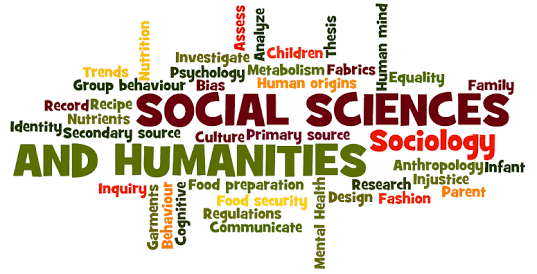
Humanities and Social Science Research Opportunities for Teens | RISE Research
Humanities and Social Science Research Opportunities for Teens | RISE Research
Shana Saiesh
Shana Saiesh
Research opportunities are not limited to biology, chemistry, and computer science. Although, far fewer high school students do research in history, psychology, economics, or political theory. This is not because the humanities matter less to admissions, but because most students do not know where to start.
Original historical, sociological, or economic research is underrepresented in the college applicant pool. The competition is lower but research quality cannot be subpar. This article provides a step by step walkthrough of everything a high school student needs to start research in the humanities as a teenager.
What Humanities Research Actually Looks Like
Humanities research, unlike STEM research, does not follow a hypothesis-and-results structure. The research question builds or breaks an argument, supported by primary sources, data, or a synthesis of existing scholarship.
A history paper examines primary documents to argue something new about a specific event or period. A psychology paper analyzes existing studies or runs a small-scale survey to build an original argument. An economics paper takes a public dataset and examines a specific policy question. A political theory essay argues a position from first principles.
Overall what matters is that the student is producing original analysis, not summarizing what others found.
The Concord Review
If you are interested in history, The Concord Review is the target. Founded in 1987, it is the only journal in the world dedicated to publishing historical research by high school students. Acceptance rate is around 5%.
Papers average 8,500 words and run between 5,000 and 10,000. Turabian endnotes and bibliography are required.
If you are applying to college, submit at least 8 to 10 months before your applications are due. Even if not yet published, you can note a paper is under review. Admissions officers familiar with the journal know what that means.
Check out some tips from previously published authors!
The John Locke Essay Competition
Run by the John Locke Institute, this competition drew over 63,000 registrations from 150+ countries in 2025. Essays are judged by academics from Oxford, Cambridge, Harvard, Princeton, and Stanford.
Ten categories: Philosophy, Politics, Economics, History, International Relations, Law, Psychology, Public Policy, Science and Technology, and Theology. Essays are 2,000 words maximum. Students pick one question from their chosen category and argue an original position.
First prize per category is a $5,000 scholarship. The Grand Prize winner receives $10,000 and a Junior Fellowship.
Writing a tight 2,000-word philosophical argument against a high bar is genuinely good preparation for college-level work.
Check out insights from past winners!
Other Places to Publish
The Schola accepts essays up to 8,000 words in philosophy, history, economics, political theory, public policy, and sociology. Sole authorship required, rolling submissions, review takes up to 7 months. One of the strongest humanities journals outside the Concord Review.
Journal of Student Research accepts original research and literature reviews across humanities and social sciences including history, political science, economics, and sociology. Requires a mentor. Rolling submissions.
The Young Researcher covers psychology, political science, economics, and cultural studies. Known for providing detailed editorial feedback even on rejected papers, which is useful for students going through the process for the first time.
Curieux Academic Journal is student-run, publishes 12 issues per year, and accepts any academic subject including social sciences and humanities. Higher acceptance rate than most, useful as a first publication.
Summer Programs Worth Knowing
If you are a high school student curious about academic research, summer research programs for high school students offer students a structured way of exploring research with the support of expert mentors. Over the course of this 8 -10 week program, students work one-on-one under the guidance of PhD researchers to create an independent project, which by the end of the program is developed into a final paper with opportunities for publication. The process is designed to help students acquire hands-on experience in research, critical analysis, writing, and presenting their ideas in a clear manner.
Topic vs. Research Question
Most students get stuck here. A topic is not a research question.
"The causes of World War I" is a topic. "To what extent did the alliance system, rather than German militarism, determine the escalation of the July Crisis into continental war?" is a research question.
"How does social media affect mental health?" is a topic. "Does passive consumption of social media predict higher rates of social comparison than active posting in adolescents aged 13 to 17?" is a research question.
The specificity is what makes the argument possible. Admissions officers can tell the difference.
FAQs
Q: Do I need a university library to conduct humanities research?
A: No. JSTOR provides free access at jstor.org. Many university libraries offer community borrower cards. Primary historical sources are increasingly available through the Library of Congress and HathiTrust. For psychology, Google Scholar and PubMed Central cover most literature for free.
Q: Is the John Locke competition worth entering if you are unlikely to win?
A: Yes. Being shortlisted is a recognizable credential. And the essay process itself, arguing a tight philosophical position in 2,000 words, is useful preparation regardless of result.
Q: Do humanities publications help international students?
A: Yes. A student from India or South Korea publishing a history paper in The Concord Review is demonstrating something statistically unusual among applicants from those regions. The rarity is the point.
Author: Written by Shana Saiesh
Shana Saiesh is a sophomore at Ashoka University pursuing a BA (Hons.) in English with minors in International Relations and Psychology. She works with education-focused initiatives and mentorship-driven programs, contributing to operations, research and editorial work. Alongside her academics, she is involved in student-facing reports that combine research, strategy, and communication.
Research opportunities are not limited to biology, chemistry, and computer science. Although, far fewer high school students do research in history, psychology, economics, or political theory. This is not because the humanities matter less to admissions, but because most students do not know where to start.
Original historical, sociological, or economic research is underrepresented in the college applicant pool. The competition is lower but research quality cannot be subpar. This article provides a step by step walkthrough of everything a high school student needs to start research in the humanities as a teenager.
What Humanities Research Actually Looks Like
Humanities research, unlike STEM research, does not follow a hypothesis-and-results structure. The research question builds or breaks an argument, supported by primary sources, data, or a synthesis of existing scholarship.
A history paper examines primary documents to argue something new about a specific event or period. A psychology paper analyzes existing studies or runs a small-scale survey to build an original argument. An economics paper takes a public dataset and examines a specific policy question. A political theory essay argues a position from first principles.
Overall what matters is that the student is producing original analysis, not summarizing what others found.
The Concord Review
If you are interested in history, The Concord Review is the target. Founded in 1987, it is the only journal in the world dedicated to publishing historical research by high school students. Acceptance rate is around 5%.
Papers average 8,500 words and run between 5,000 and 10,000. Turabian endnotes and bibliography are required.
If you are applying to college, submit at least 8 to 10 months before your applications are due. Even if not yet published, you can note a paper is under review. Admissions officers familiar with the journal know what that means.
Check out some tips from previously published authors!
The John Locke Essay Competition
Run by the John Locke Institute, this competition drew over 63,000 registrations from 150+ countries in 2025. Essays are judged by academics from Oxford, Cambridge, Harvard, Princeton, and Stanford.
Ten categories: Philosophy, Politics, Economics, History, International Relations, Law, Psychology, Public Policy, Science and Technology, and Theology. Essays are 2,000 words maximum. Students pick one question from their chosen category and argue an original position.
First prize per category is a $5,000 scholarship. The Grand Prize winner receives $10,000 and a Junior Fellowship.
Writing a tight 2,000-word philosophical argument against a high bar is genuinely good preparation for college-level work.
Check out insights from past winners!
Other Places to Publish
The Schola accepts essays up to 8,000 words in philosophy, history, economics, political theory, public policy, and sociology. Sole authorship required, rolling submissions, review takes up to 7 months. One of the strongest humanities journals outside the Concord Review.
Journal of Student Research accepts original research and literature reviews across humanities and social sciences including history, political science, economics, and sociology. Requires a mentor. Rolling submissions.
The Young Researcher covers psychology, political science, economics, and cultural studies. Known for providing detailed editorial feedback even on rejected papers, which is useful for students going through the process for the first time.
Curieux Academic Journal is student-run, publishes 12 issues per year, and accepts any academic subject including social sciences and humanities. Higher acceptance rate than most, useful as a first publication.
Summer Programs Worth Knowing
If you are a high school student curious about academic research, summer research programs for high school students offer students a structured way of exploring research with the support of expert mentors. Over the course of this 8 -10 week program, students work one-on-one under the guidance of PhD researchers to create an independent project, which by the end of the program is developed into a final paper with opportunities for publication. The process is designed to help students acquire hands-on experience in research, critical analysis, writing, and presenting their ideas in a clear manner.
Topic vs. Research Question
Most students get stuck here. A topic is not a research question.
"The causes of World War I" is a topic. "To what extent did the alliance system, rather than German militarism, determine the escalation of the July Crisis into continental war?" is a research question.
"How does social media affect mental health?" is a topic. "Does passive consumption of social media predict higher rates of social comparison than active posting in adolescents aged 13 to 17?" is a research question.
The specificity is what makes the argument possible. Admissions officers can tell the difference.
FAQs
Q: Do I need a university library to conduct humanities research?
A: No. JSTOR provides free access at jstor.org. Many university libraries offer community borrower cards. Primary historical sources are increasingly available through the Library of Congress and HathiTrust. For psychology, Google Scholar and PubMed Central cover most literature for free.
Q: Is the John Locke competition worth entering if you are unlikely to win?
A: Yes. Being shortlisted is a recognizable credential. And the essay process itself, arguing a tight philosophical position in 2,000 words, is useful preparation regardless of result.
Q: Do humanities publications help international students?
A: Yes. A student from India or South Korea publishing a history paper in The Concord Review is demonstrating something statistically unusual among applicants from those regions. The rarity is the point.
Author: Written by Shana Saiesh
Shana Saiesh is a sophomore at Ashoka University pursuing a BA (Hons.) in English with minors in International Relations and Psychology. She works with education-focused initiatives and mentorship-driven programs, contributing to operations, research and editorial work. Alongside her academics, she is involved in student-facing reports that combine research, strategy, and communication.
Winter 2026 Admission Deadline Closing on 1st November
Book a free 20-min strategy call
Book a free 20-min strategy call
Read More