>
>
>
How to Publish in Stanford Intersect: Submission Requirements & Acceptance Tips 2025
How to Publish in Stanford Intersect: Submission Requirements & Acceptance Tips 2025
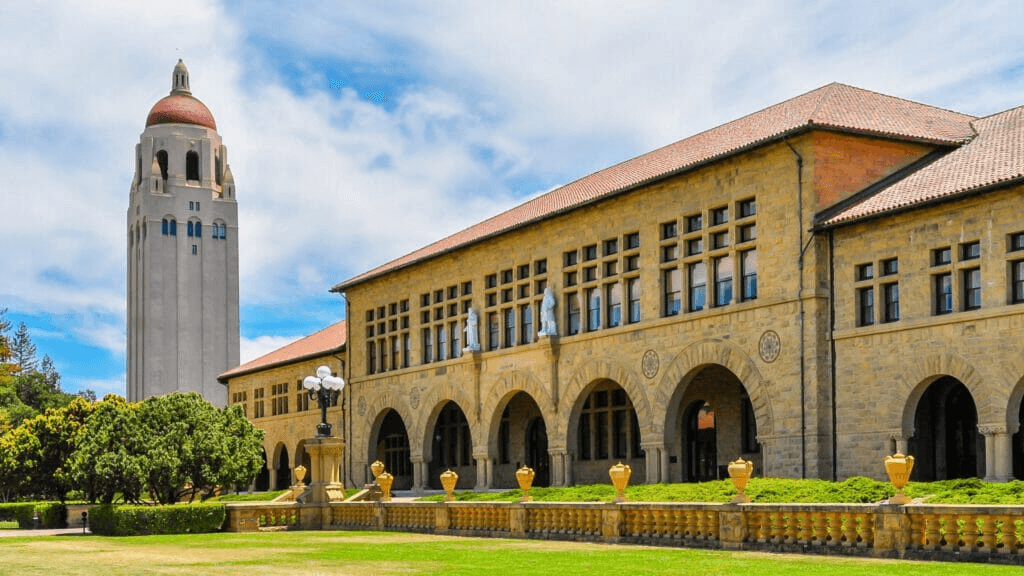
How to Publish in Stanford Intersect: Submission Requirements & Acceptance Tips 2025 | RISE Research
How to Publish in Stanford Intersect: Submission Requirements & Acceptance Tips 2025 | RISE Research
Shana Saiesh
Shana Saiesh
Having your research published in a renowned, peer-reviewed journal is one of the greatest achievements in an academic's life. Stanford Intersect is an open-access journal that allows undergraduate and graduate students worldwide to publish their original scholarly work. The journal is listed on Google Scholar and is referenced worldwide.This article will take you through everything you need to know, including what they are looking for, manuscript style, what makes a good abstract, and common submission blunders to avoid.
What Is Stanford Intersect?
Stanford Intersect is a student-run, peer-reviewed academic research journal housed at Stanford University and supported by the Program in Science, Technology, and Society (STS). It publishes interdisciplinary scholarly work at the crossroads of history, culture, sociology, art, literature, business, law, health, design, science, and technology.
Submissions are open to all students globally and not just Stanford affiliates. The journal publishes online at intersect.stanford.edu, is accessible as a free open-access resource, and its articles appear regularly in Google Scholar. Peer reviewers include Stanford professors and graduate students, lending the journal considerable academic credibility.
Submission Requirements: The Non-Negotiables
Before you write a single word of your manuscript, make sure you fully understand what Stanford Intersect accepts. Meeting these baseline requirements is the first filter every submission must pass.
Scope and Subject Matter
Your work must sit at the intersection of science, technology, and society. Papers that address only one of these three pillars are typically rejected. Acceptable subject areas include public health and technology, history of science, environmental media, energy policy, digital culture, bioscience ethics, and more. A purely journalistic approach is not appropriate for full articles.
Article Types Accepted
Research Articles: Original research or review articles synthesizing a field. Must be 4,000–6,000 words including the bibliography.
Papers/Essays: Similar to research articles but can be grounded in coursework. Class papers are welcomed.
Honors Thesis Excerpts: Chapters from departmental or interdisciplinary honors theses, with all references fully documented.
Book Reviews: Close to 1,000 words; must evaluate a book's contribution, relevance, method, and shortcomings.
Editorials/Comments: Opinion-oriented, less research-intensive works that take a clear position on an STS issue.
Interviews: Edited transcripts of conversations with STS experts, including a short bio of the interviewee.
Multimedia Artifacts: Design-intensive work such as videos, websites, or user interfaces, with a written description of the creation process and its STS relevance.
7 Tips to Write a Manuscript That Gets Accepted
01. Your Paper should Fit at the STS Intersection
The most common reason for rejection is that a paper is centered on just one of those three pillars—science, technology, or society—but fails to effectively connect the others. Before submitting a paper for publication, it is essential that the writer audits their work to see if the paper engages with all three aspects. For instance, a paper on CRISPR gene editing technology must also discuss the societal implications and the technology behind it.
02. Craft a Lucid and Concise Abstract
Intersect requires an abstract of under 250 words submitted alongside your manuscript. Your abstract must clearly state the central research question, your methodology, your key results, and your conclusions, including any broader implications. A reviewer should be able to understand the full value of your paper from the abstract alone. Check out our guide on writing abstracts for research papers for some tips!
03. Use Credible Academic Sources
Intersect is a scholarly journal, and it expects scholarly citations. The editorial guidelines explicitly state that sources should primarily be academic work published in peer-reviewed journals. Journalism, websites, and other media may occasionally supplement your argument, but they should never be the backbone of your evidence. A paper built mainly on newspaper articles or blog posts will not pass peer review.
04. Format Citations in APA Style
All submissions must use APA citation format: in-text parenthetical citations paired with a "References" section at the end of the document. Intersect has a zero-tolerance policy on plagiarism. Use Purdue OWL (owl.purdue.edu) which is referenced directly in Intersect's own guidelines.
05. Remove All Identification Information for Blind Review
Intersect uses a blind peer-review process. This means your name, institution, and any other identifying information must be removed from the manuscript file before submission. Do not include an author note or acknowledgments section that identifies you. Failure to anonymize your paper can disqualify it from consideration.
06. Follow Manuscript Formatting
The manuscript must be submitted in Microsoft Word, RTF, or WordPerfect format only. The font should be a 12-point font, double-spaced in the body of the manuscript, but italic, not underlined, for emphasis. The images should be of high resolution, and if any text is included in the image, it should be clear and easily legible. Images obtained from other sources should be referenced accordingly. Tables and figures should be placed in the manuscript where they are relevant, not appended at the end of the manuscript.
07. Be Responsive During the Editorial Process
The reviewers of Intersect are academic experts who give their time voluntarily. The editorial team will reject your paper, regardless of its status, if you are not responsive for over a week. After your paper is accepted, you are expected to work together with the editing team in revising your paper within a quarter of publication time. Do not submit your paper to other journals, as this is not allowed by Intersect.
How to Submit: A Step-by-Step Walkthrough
The submission process is straightforward once you understand the portal. Here is what the official guidelines specify:
Go to intersect.stanford.edu and click Register in the top navigation bar.
Complete the registration form and select "Author" under the "Register As" field.
Once registered (or logged in), click the link under "Start a New Submission."
Complete each step of the submission form as prompted.
Upload your manuscript file (Word, RTF, or WordPerfect) and paste your abstract into the designated field.
Confirm you have met all checklist requirements before final submission.
Note: Intersect does not always have open submissions. The journal works through its review backlog before reopening. Check the announcements page for the current submission status before preparing your paper.
What Happens After You Submit?
After submission, your manuscript will go through a multi-step peer review process. Your manuscript will be reviewed by professors, graduate students, and undergraduate experts at Stanford University. The reviewers will judge your manuscript based on its academic rigor, interdisciplinary analysis, citation, and argumentation.
In case of any revisions, you are required to submit two versions of your revised manuscript: one where you highlight your changes in red ink, a clean version of your revised manuscript, along with a cover letter where you address all the comments received on your manuscript. Your manuscript will be published online and will be indexed by Google Scholar.
Common Mistakes to Avoid
Submitting a paper that only addresses science or technology, without the societal dimension
Writing an abstract that is vague, over-long, or missing key components (methodology, results, implications)
Using a citation style other than APA
Leaving your name or institution in the manuscript file
Submitting simultaneously to another journal
Being slow to respond once the editorial process begins
Withdrawing an accepted paper without cause — this can affect future submissions
Quick Facts: Stanford Intersect at a Glance
Detail | Requirement |
Research article length | 4,000–6,000 words (including bibliography) |
Abstract word limit | Under 250 words |
Maximum manuscript length | ~25 double-spaced pages |
Publication schedule | 3× per year (Autumn, Winter, Spring) |
Citation format | APA |
Open to non-Stanford students | Yes — global submissions welcomed |
Visit https://ojs.stanford.edu/ojs/index.php/intersect/about/submissions for more information!
Final Thoughts
It’s a real accomplishment to publish in Stanford Intersect. What the editors want is a good paper, but a good paper is one that’s well researched and deals seriously with science, technology, and society. And a good paper is one that cites good academic sources and is well written. The first thing you should do before submitting your paper is carefully reading author guidelines. You should also study the latest issues and your paper has to be thoughtfully written and well formatted. That’s what gets accepted.
If you are a high school student curious about academic research, summer research programs for high school students offer students a structured way of exploring research with the support of expert mentors. Over the course of this 8 -10 week program, students work one-on-one under the guidance of PhD researchers to create an independent project, which by the end of the program is developed into a final paper with opportunities for publication. The process is designed to help students acquire hands-on experience in research, critical analysis, writing, and presenting their ideas in a clear manner.
FAQs/ PAA
Q: Can students outside Stanford submit to Stanford Intersect?
A: Yes. Stanford Intersect accepts submissions from undergraduate and graduate students at any university worldwide, as long as the work fits the journal's interdisciplinary focus on science, technology, and society and meets the submission guidelines.
Q: How long should a Stanford Intersect submission be?
A: Research articles should be between 4,000 and 6,000 words including the bibliography, with an abstract under 250 words in APA citation style. Papers outside these parameters may be rejected during initial editorial screening.
Q: How competitive is publishing in Stanford Intersect?
A: Quite competitive. Submissions go through a blind peer-review process evaluated by Stanford faculty, graduate students, and undergraduate editors. Papers are judged on academic rigor, originality, and interdisciplinary engagement — well-structured work with strong sources and clear methodology tends to perform best.
Author: Written by Shana Saiesh
Shana Saiesh is a sophomore at Ashoka University pursuing a BA (Hons.) in English with minors in International Relations and Psychology. She works with education-focused initiatives and mentorship-driven programs, contributing to operations, research and editorial work. Alongside her academics, she is involved in student-facing reports that combine research, strategy, and communication.
Having your research published in a renowned, peer-reviewed journal is one of the greatest achievements in an academic's life. Stanford Intersect is an open-access journal that allows undergraduate and graduate students worldwide to publish their original scholarly work. The journal is listed on Google Scholar and is referenced worldwide.This article will take you through everything you need to know, including what they are looking for, manuscript style, what makes a good abstract, and common submission blunders to avoid.
What Is Stanford Intersect?
Stanford Intersect is a student-run, peer-reviewed academic research journal housed at Stanford University and supported by the Program in Science, Technology, and Society (STS). It publishes interdisciplinary scholarly work at the crossroads of history, culture, sociology, art, literature, business, law, health, design, science, and technology.
Submissions are open to all students globally and not just Stanford affiliates. The journal publishes online at intersect.stanford.edu, is accessible as a free open-access resource, and its articles appear regularly in Google Scholar. Peer reviewers include Stanford professors and graduate students, lending the journal considerable academic credibility.
Submission Requirements: The Non-Negotiables
Before you write a single word of your manuscript, make sure you fully understand what Stanford Intersect accepts. Meeting these baseline requirements is the first filter every submission must pass.
Scope and Subject Matter
Your work must sit at the intersection of science, technology, and society. Papers that address only one of these three pillars are typically rejected. Acceptable subject areas include public health and technology, history of science, environmental media, energy policy, digital culture, bioscience ethics, and more. A purely journalistic approach is not appropriate for full articles.
Article Types Accepted
Research Articles: Original research or review articles synthesizing a field. Must be 4,000–6,000 words including the bibliography.
Papers/Essays: Similar to research articles but can be grounded in coursework. Class papers are welcomed.
Honors Thesis Excerpts: Chapters from departmental or interdisciplinary honors theses, with all references fully documented.
Book Reviews: Close to 1,000 words; must evaluate a book's contribution, relevance, method, and shortcomings.
Editorials/Comments: Opinion-oriented, less research-intensive works that take a clear position on an STS issue.
Interviews: Edited transcripts of conversations with STS experts, including a short bio of the interviewee.
Multimedia Artifacts: Design-intensive work such as videos, websites, or user interfaces, with a written description of the creation process and its STS relevance.
7 Tips to Write a Manuscript That Gets Accepted
01. Your Paper should Fit at the STS Intersection
The most common reason for rejection is that a paper is centered on just one of those three pillars—science, technology, or society—but fails to effectively connect the others. Before submitting a paper for publication, it is essential that the writer audits their work to see if the paper engages with all three aspects. For instance, a paper on CRISPR gene editing technology must also discuss the societal implications and the technology behind it.
02. Craft a Lucid and Concise Abstract
Intersect requires an abstract of under 250 words submitted alongside your manuscript. Your abstract must clearly state the central research question, your methodology, your key results, and your conclusions, including any broader implications. A reviewer should be able to understand the full value of your paper from the abstract alone. Check out our guide on writing abstracts for research papers for some tips!
03. Use Credible Academic Sources
Intersect is a scholarly journal, and it expects scholarly citations. The editorial guidelines explicitly state that sources should primarily be academic work published in peer-reviewed journals. Journalism, websites, and other media may occasionally supplement your argument, but they should never be the backbone of your evidence. A paper built mainly on newspaper articles or blog posts will not pass peer review.
04. Format Citations in APA Style
All submissions must use APA citation format: in-text parenthetical citations paired with a "References" section at the end of the document. Intersect has a zero-tolerance policy on plagiarism. Use Purdue OWL (owl.purdue.edu) which is referenced directly in Intersect's own guidelines.
05. Remove All Identification Information for Blind Review
Intersect uses a blind peer-review process. This means your name, institution, and any other identifying information must be removed from the manuscript file before submission. Do not include an author note or acknowledgments section that identifies you. Failure to anonymize your paper can disqualify it from consideration.
06. Follow Manuscript Formatting
The manuscript must be submitted in Microsoft Word, RTF, or WordPerfect format only. The font should be a 12-point font, double-spaced in the body of the manuscript, but italic, not underlined, for emphasis. The images should be of high resolution, and if any text is included in the image, it should be clear and easily legible. Images obtained from other sources should be referenced accordingly. Tables and figures should be placed in the manuscript where they are relevant, not appended at the end of the manuscript.
07. Be Responsive During the Editorial Process
The reviewers of Intersect are academic experts who give their time voluntarily. The editorial team will reject your paper, regardless of its status, if you are not responsive for over a week. After your paper is accepted, you are expected to work together with the editing team in revising your paper within a quarter of publication time. Do not submit your paper to other journals, as this is not allowed by Intersect.
How to Submit: A Step-by-Step Walkthrough
The submission process is straightforward once you understand the portal. Here is what the official guidelines specify:
Go to intersect.stanford.edu and click Register in the top navigation bar.
Complete the registration form and select "Author" under the "Register As" field.
Once registered (or logged in), click the link under "Start a New Submission."
Complete each step of the submission form as prompted.
Upload your manuscript file (Word, RTF, or WordPerfect) and paste your abstract into the designated field.
Confirm you have met all checklist requirements before final submission.
Note: Intersect does not always have open submissions. The journal works through its review backlog before reopening. Check the announcements page for the current submission status before preparing your paper.
What Happens After You Submit?
After submission, your manuscript will go through a multi-step peer review process. Your manuscript will be reviewed by professors, graduate students, and undergraduate experts at Stanford University. The reviewers will judge your manuscript based on its academic rigor, interdisciplinary analysis, citation, and argumentation.
In case of any revisions, you are required to submit two versions of your revised manuscript: one where you highlight your changes in red ink, a clean version of your revised manuscript, along with a cover letter where you address all the comments received on your manuscript. Your manuscript will be published online and will be indexed by Google Scholar.
Common Mistakes to Avoid
Submitting a paper that only addresses science or technology, without the societal dimension
Writing an abstract that is vague, over-long, or missing key components (methodology, results, implications)
Using a citation style other than APA
Leaving your name or institution in the manuscript file
Submitting simultaneously to another journal
Being slow to respond once the editorial process begins
Withdrawing an accepted paper without cause — this can affect future submissions
Quick Facts: Stanford Intersect at a Glance
Detail | Requirement |
Research article length | 4,000–6,000 words (including bibliography) |
Abstract word limit | Under 250 words |
Maximum manuscript length | ~25 double-spaced pages |
Publication schedule | 3× per year (Autumn, Winter, Spring) |
Citation format | APA |
Open to non-Stanford students | Yes — global submissions welcomed |
Visit https://ojs.stanford.edu/ojs/index.php/intersect/about/submissions for more information!
Final Thoughts
It’s a real accomplishment to publish in Stanford Intersect. What the editors want is a good paper, but a good paper is one that’s well researched and deals seriously with science, technology, and society. And a good paper is one that cites good academic sources and is well written. The first thing you should do before submitting your paper is carefully reading author guidelines. You should also study the latest issues and your paper has to be thoughtfully written and well formatted. That’s what gets accepted.
If you are a high school student curious about academic research, summer research programs for high school students offer students a structured way of exploring research with the support of expert mentors. Over the course of this 8 -10 week program, students work one-on-one under the guidance of PhD researchers to create an independent project, which by the end of the program is developed into a final paper with opportunities for publication. The process is designed to help students acquire hands-on experience in research, critical analysis, writing, and presenting their ideas in a clear manner.
FAQs/ PAA
Q: Can students outside Stanford submit to Stanford Intersect?
A: Yes. Stanford Intersect accepts submissions from undergraduate and graduate students at any university worldwide, as long as the work fits the journal's interdisciplinary focus on science, technology, and society and meets the submission guidelines.
Q: How long should a Stanford Intersect submission be?
A: Research articles should be between 4,000 and 6,000 words including the bibliography, with an abstract under 250 words in APA citation style. Papers outside these parameters may be rejected during initial editorial screening.
Q: How competitive is publishing in Stanford Intersect?
A: Quite competitive. Submissions go through a blind peer-review process evaluated by Stanford faculty, graduate students, and undergraduate editors. Papers are judged on academic rigor, originality, and interdisciplinary engagement — well-structured work with strong sources and clear methodology tends to perform best.
Author: Written by Shana Saiesh
Shana Saiesh is a sophomore at Ashoka University pursuing a BA (Hons.) in English with minors in International Relations and Psychology. She works with education-focused initiatives and mentorship-driven programs, contributing to operations, research and editorial work. Alongside her academics, she is involved in student-facing reports that combine research, strategy, and communication.
Winter 2026 Admission Deadline Closing on 1st November
Book a free 20-min strategy call
Book a free 20-min strategy call
Read More