>
>
>
Harvard Intellectual Vitality in High School: How Research Builds a True Admissions Spike
Harvard Intellectual Vitality in High School: How Research Builds a True Admissions Spike
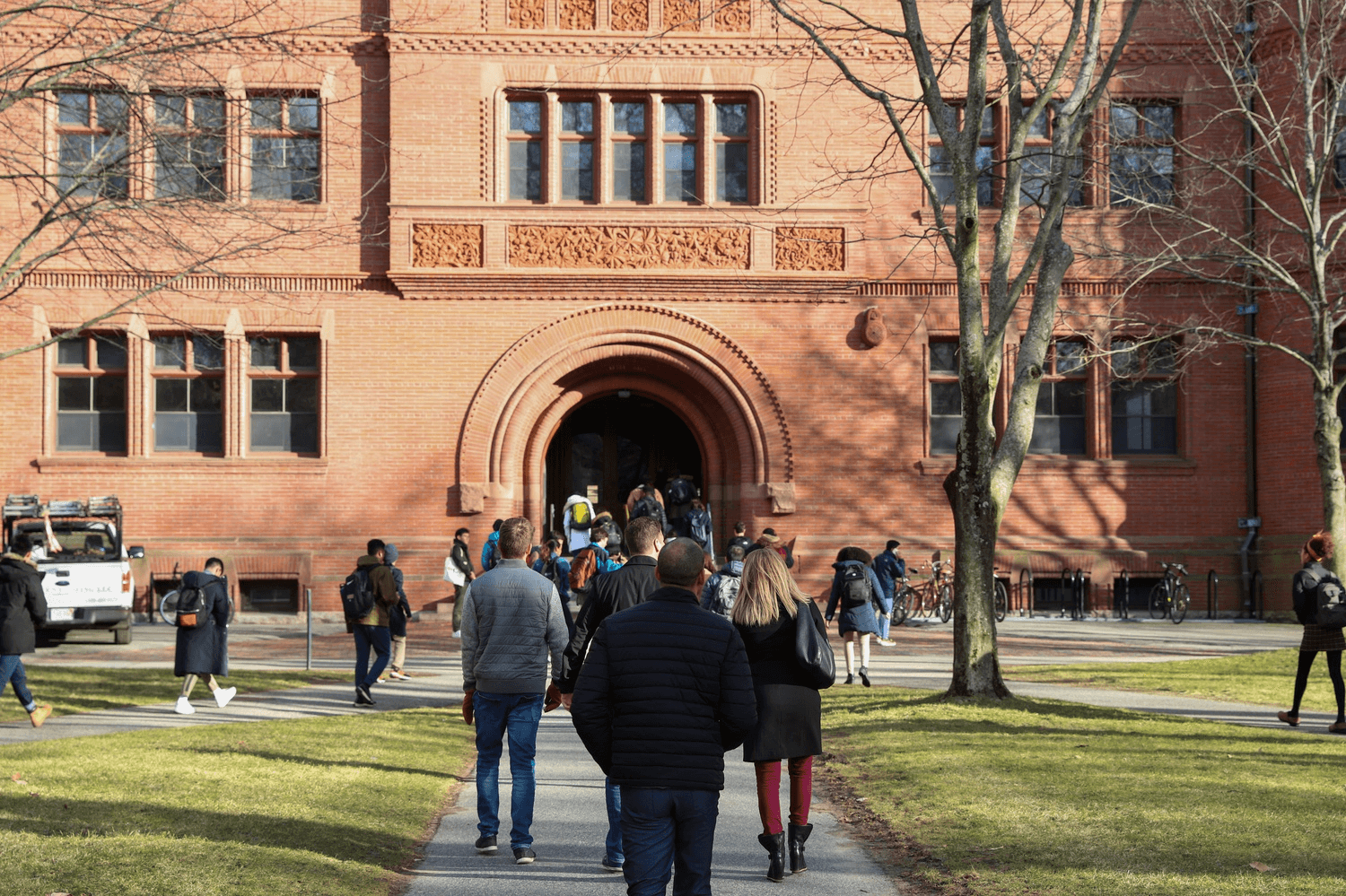
Harvard Intellectual Vitality in High School: How Research Builds a True Admissions Spike | RISE Research
Harvard Intellectual Vitality in High School: How Research Builds a True Admissions Spike | RISE Research
Manini Agarwal
Manini Agarwal
Quick Summary: ‘Intellectual vitality’ is one of the most important qualities elite universities like Harvard look for in applicants. It refers to a student’s curiosity, passion for learning, and willingness to pursue ideas beyond theoretical learning confined within a classroom. Independent research projects are one of the strongest ways high school students demonstrate this trait because they show initiative, analytical thinking, and original inquiry.
Introduction
Stellar grades and standardised test scores don’t cut it anymore. Getting into top ivies like Harvard University depends on a more unique and holistic academic profile. Admissions officers repeatedly emphasize that the strongest applicants demonstrate intellectual vitality, which is a deep curiosity about the world and a genuine commitment to exploring ideas beyond school curriculums.
In the context of college admissions, intellectual vitality refers to a student’s passion for learning, independent thinking, and willingness to pursue complex questions. Harvard itself describes intellectual vitality as a culture of “open and rigorous inquiry” built on curiosity and the exchange of ideas.
Admission officers now look for out-of-the-box extracurricular activities for profile building. Applicants must demonstrate independence and initiative through original projects, interdisciplinary exploration and other forms of critical inquiry. Pursuing interdisciplinary and independent research checks all these boxes.
Below are 7 ways research builds the intellectual vitality Harvard and other elite universities look for.
1. Research Demonstrates Genuine Intellectual Curiosity
Engaging with complex questions demonstrates that students have a genuine drive to acquire knowledge instead of aiming for just marks.
For example, investigating real-world questions like a student researching urban housing inequality or climate modeling is reflecting intellectual curiosity.
Research signals that a student asks meaningful questions, seeks evidence-based answers and engages critically and deeply with complex topics. These qualities reflect the intellectual culture universities want to foster.
2. Research Shows Independent Initiative
Elite universities value students who create opportunities rather than waiting for them. Unlike most high school activities, independent research requires students to design a project from scratch:
identifying a research question
reviewing existing literature
collecting and analyzing data
presenting conclusions
In this way, students who conduct research are essentially practicing the same inquiry-based learning used in universities.
3. Research Encourages Interdisciplinary Thinking
Modern scientific and social challenges can rarely be classified within a single discipline. According to guidance counsellors and experts, intellectual curiosity often involves making connections between different areas of knowledge. Utilising theories from a variety of academic disciplines strengthens research and demonstrates an impeccable ability to interlink concepts to make them stronger.
Research topics often naturally have interdisciplinary inspirations, some examples include: AI ethics which combines computer science and philosophy, climate economics combining environmental science and economics, and neuroscience and psychology.
Students who bridge disciplines demonstrate intellectual sophistication and creative problem-solving.
4. Research Produces Tangible Academic Output
One of the strongest advantages of research is that it produces visible outcomes. Unlike many extracurriculars, research results in concrete finished results such as research papers, conference presentations, science fair submissions, and academic posters.
These outputs allow admissions committees to see how a student thinks and analyzes problems, rather than simply reading about achievements.
5. Research Builds Advanced Analytical Skills
Students conducting research develop critical thinking, data analysis skills, hone academic writing and effective problem formulation. These abilities are essential for success in higher education.
Moreover, research forces students to confront uncertainty, an essential part of real intellectual exploration.
Rather than memorizing answers, students must evaluate evidence and build arguments, reflecting the intellectual rigor universities seek.
6. Research Signals Future Academic Contribution
Elite universities aim to admit students who will contribute meaningfully to their academic communities. Admissions committees therefore look for applicants who demonstrate intellectual engagement and initiative.
Students who pursue independent inquiry show that they will likely contribute to campus research initiatives, participate in academic discussions and explore new intellectual ideas.
This is to say, research suggests that a student will actively shape the intellectual environment of the university.
How High School Students Can Start a Research Project
Starting research in high school may seem intimidating, but the process can be broken down into manageable steps.
Step 1: Identify a Research Question
Start with curiosity. The best research questions often emerge from real-world problems or academic interests.
Step 2: Learn Research Methodology
Strong research requires understanding different methodological techniques like literature reviews, data collection methods, statistical analysis and academic writing
Many students develop these skills through mentorship programs or structured research initiatives.
Step 3: Work With a Mentor
Guidance from experienced researchers can significantly improve the quality of student research. Mentors can guide students through each step, steer them in the right direction and help reduce the ambiguity surrounding the research project.
Why Research Is Becoming Essential for Competitive Admissions
Admissions at top universities are becoming increasingly competitive. Acceptance rates at elite institutions often fall below 5%, meaning applicants must distinguish themselves in meaningful ways.
Research provides a powerful way to do this because it demonstrates intellectual curiosity, academic initiative and original thinking.
If you are a high school student pushing yourself to stand out in college applications, RISE Research offers a unique opportunity to work one-on-one with mentors from top universities around the world.
Through personalized guidance and independent research projects that can lead to prestigious publications, RISE helps you build a standout academic profile and develop skills that genuinely set you apart. With flexible program dates and global accessibility, ambitious students can apply year-round. To learn more about eligibility, costs, and how to get started, visit RISE Research's official website and take your college preparation to the next level!
FAQs/PAA
Q. What is intellectual vitality in college admissions?
A. Intellectual vitality refers to curiosity, passion for learning, and the ability to explore ideas independently beyond classroom requirements. Universities view it as a key indicator of academic potential.
Q. Does research help with Harvard admissions?
A. Research can strengthen applications by demonstrating intellectual curiosity, analytical thinking, and initiative. These are the qualities that admissions committees associate with intellectual vitality.
Q. Do students need advanced knowledge to start research?
A. Not necessarily. Many research projects begin with basic curiosity and develop gradually through mentorship, literature review, and experimentation.
Author: Written by Manini Agarwal
Manini Agarwal is a junior at Ashoka University pursuing a BA (Hons.) in International Relations. She works closely with mentorship-driven research programs and studies how early inquiry shapes long-term academic outcomes. Her work explores the intersection of research training, intellectual development, and competitive university admissions.
Quick Summary: ‘Intellectual vitality’ is one of the most important qualities elite universities like Harvard look for in applicants. It refers to a student’s curiosity, passion for learning, and willingness to pursue ideas beyond theoretical learning confined within a classroom. Independent research projects are one of the strongest ways high school students demonstrate this trait because they show initiative, analytical thinking, and original inquiry.
Introduction
Stellar grades and standardised test scores don’t cut it anymore. Getting into top ivies like Harvard University depends on a more unique and holistic academic profile. Admissions officers repeatedly emphasize that the strongest applicants demonstrate intellectual vitality, which is a deep curiosity about the world and a genuine commitment to exploring ideas beyond school curriculums.
In the context of college admissions, intellectual vitality refers to a student’s passion for learning, independent thinking, and willingness to pursue complex questions. Harvard itself describes intellectual vitality as a culture of “open and rigorous inquiry” built on curiosity and the exchange of ideas.
Admission officers now look for out-of-the-box extracurricular activities for profile building. Applicants must demonstrate independence and initiative through original projects, interdisciplinary exploration and other forms of critical inquiry. Pursuing interdisciplinary and independent research checks all these boxes.
Below are 7 ways research builds the intellectual vitality Harvard and other elite universities look for.
1. Research Demonstrates Genuine Intellectual Curiosity
Engaging with complex questions demonstrates that students have a genuine drive to acquire knowledge instead of aiming for just marks.
For example, investigating real-world questions like a student researching urban housing inequality or climate modeling is reflecting intellectual curiosity.
Research signals that a student asks meaningful questions, seeks evidence-based answers and engages critically and deeply with complex topics. These qualities reflect the intellectual culture universities want to foster.
2. Research Shows Independent Initiative
Elite universities value students who create opportunities rather than waiting for them. Unlike most high school activities, independent research requires students to design a project from scratch:
identifying a research question
reviewing existing literature
collecting and analyzing data
presenting conclusions
In this way, students who conduct research are essentially practicing the same inquiry-based learning used in universities.
3. Research Encourages Interdisciplinary Thinking
Modern scientific and social challenges can rarely be classified within a single discipline. According to guidance counsellors and experts, intellectual curiosity often involves making connections between different areas of knowledge. Utilising theories from a variety of academic disciplines strengthens research and demonstrates an impeccable ability to interlink concepts to make them stronger.
Research topics often naturally have interdisciplinary inspirations, some examples include: AI ethics which combines computer science and philosophy, climate economics combining environmental science and economics, and neuroscience and psychology.
Students who bridge disciplines demonstrate intellectual sophistication and creative problem-solving.
4. Research Produces Tangible Academic Output
One of the strongest advantages of research is that it produces visible outcomes. Unlike many extracurriculars, research results in concrete finished results such as research papers, conference presentations, science fair submissions, and academic posters.
These outputs allow admissions committees to see how a student thinks and analyzes problems, rather than simply reading about achievements.
5. Research Builds Advanced Analytical Skills
Students conducting research develop critical thinking, data analysis skills, hone academic writing and effective problem formulation. These abilities are essential for success in higher education.
Moreover, research forces students to confront uncertainty, an essential part of real intellectual exploration.
Rather than memorizing answers, students must evaluate evidence and build arguments, reflecting the intellectual rigor universities seek.
6. Research Signals Future Academic Contribution
Elite universities aim to admit students who will contribute meaningfully to their academic communities. Admissions committees therefore look for applicants who demonstrate intellectual engagement and initiative.
Students who pursue independent inquiry show that they will likely contribute to campus research initiatives, participate in academic discussions and explore new intellectual ideas.
This is to say, research suggests that a student will actively shape the intellectual environment of the university.
How High School Students Can Start a Research Project
Starting research in high school may seem intimidating, but the process can be broken down into manageable steps.
Step 1: Identify a Research Question
Start with curiosity. The best research questions often emerge from real-world problems or academic interests.
Step 2: Learn Research Methodology
Strong research requires understanding different methodological techniques like literature reviews, data collection methods, statistical analysis and academic writing
Many students develop these skills through mentorship programs or structured research initiatives.
Step 3: Work With a Mentor
Guidance from experienced researchers can significantly improve the quality of student research. Mentors can guide students through each step, steer them in the right direction and help reduce the ambiguity surrounding the research project.
Why Research Is Becoming Essential for Competitive Admissions
Admissions at top universities are becoming increasingly competitive. Acceptance rates at elite institutions often fall below 5%, meaning applicants must distinguish themselves in meaningful ways.
Research provides a powerful way to do this because it demonstrates intellectual curiosity, academic initiative and original thinking.
If you are a high school student pushing yourself to stand out in college applications, RISE Research offers a unique opportunity to work one-on-one with mentors from top universities around the world.
Through personalized guidance and independent research projects that can lead to prestigious publications, RISE helps you build a standout academic profile and develop skills that genuinely set you apart. With flexible program dates and global accessibility, ambitious students can apply year-round. To learn more about eligibility, costs, and how to get started, visit RISE Research's official website and take your college preparation to the next level!
FAQs/PAA
Q. What is intellectual vitality in college admissions?
A. Intellectual vitality refers to curiosity, passion for learning, and the ability to explore ideas independently beyond classroom requirements. Universities view it as a key indicator of academic potential.
Q. Does research help with Harvard admissions?
A. Research can strengthen applications by demonstrating intellectual curiosity, analytical thinking, and initiative. These are the qualities that admissions committees associate with intellectual vitality.
Q. Do students need advanced knowledge to start research?
A. Not necessarily. Many research projects begin with basic curiosity and develop gradually through mentorship, literature review, and experimentation.
Author: Written by Manini Agarwal
Manini Agarwal is a junior at Ashoka University pursuing a BA (Hons.) in International Relations. She works closely with mentorship-driven research programs and studies how early inquiry shapes long-term academic outcomes. Her work explores the intersection of research training, intellectual development, and competitive university admissions.
Winter 2026 Admission Deadline Closing on 1st November
Book a free 20-min strategy call
Book a free 20-min strategy call
Read More