Focus
Digital Transaction Adoption, Digital Financial Inclusion, Digital Divide, Wealth Inequality, UPI, Financial Literacy
Motivation
Financial Inclusion, Digital Equity, Reducing Inequality
About the project
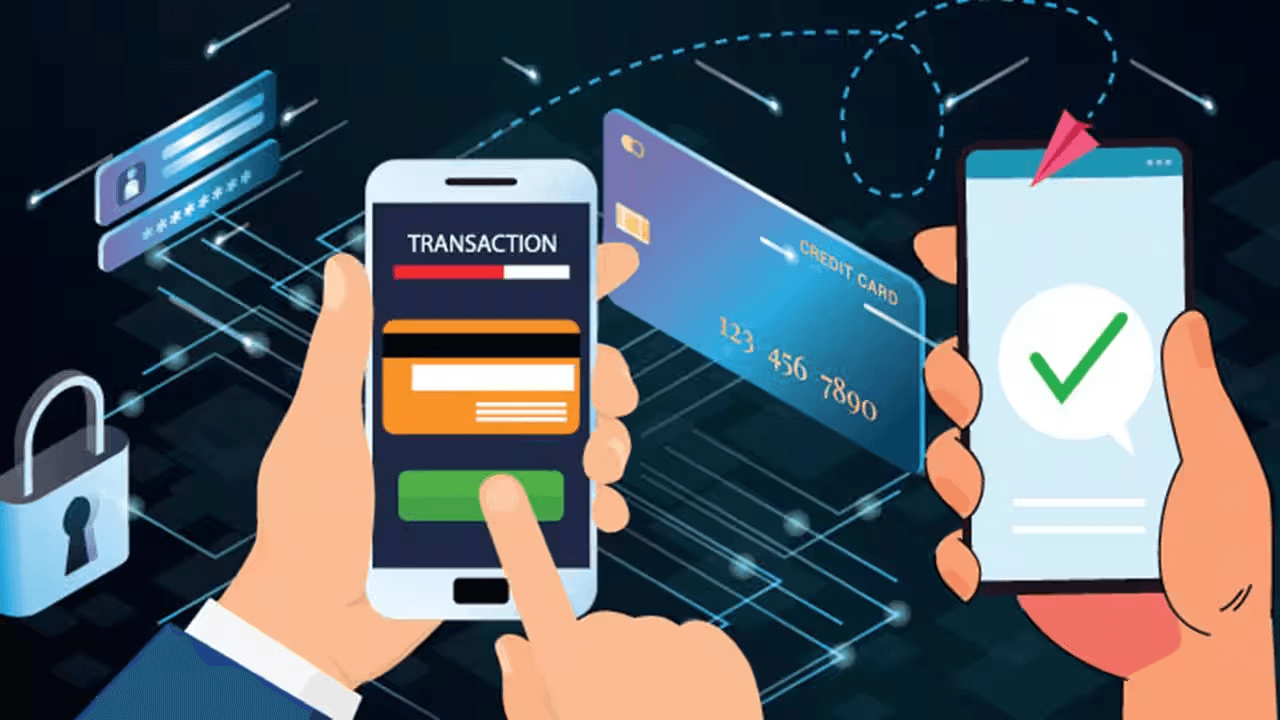
This paper studies the differences in digital-transaction adoption rates between the poorest and richest households in India, foregrounding questions of inequality in the country's rapid shift toward digital payments. While digital-payment infrastructure such as UPI, the BHIM app and initiatives like the Pradhan Mantri Jan-Dhan Yojana and Digital India have expanded dramatically, the paper asks whether access and usage are shared evenly across the income distribution or whether a digital divide persists. The study examines the structural drivers of unequal adoption, including smartphone ownership, internet access, digital skills and financial literacy, and considers how these interact with wealth inequality and gender disparities to shape who actually transacts digitally. It draws on large-scale survey data, referencing sources such as the National Sample Survey and consumption-expenditure data, and looks at both individual-level and household-level indicators across rural and urban areas, including intra-household dynamics and women's specific access to digital payments. Grounded in economics, the paper's focus is distributional: rather than treating India's digitalisation as a uniform success, it asks how far the benefits reach the underprivileged and what gaps remain between the richest and poorest. It situates digital-transaction adoption within the broader goal of digital financial inclusion, considering policy levers such as demonetisation, Jan-Dhan accounts and digital-infrastructure expansion. By comparing adoption across the extremes of the income spectrum, the work aims to clarify where the digital divide is most acute and what would be required to ensure that the move to a cashless economy advances inclusion rather than reinforcing existing inequalities of wealth, access and gender.
Check out more projects