>
>
>
How to Start Your Own Club in High School: A Step-by-Step Guide for 2027
How to Start Your Own Club in High School: A Step-by-Step Guide for 2027
How to Start Your Own Club in High School: A Step-by-Step Guide for 2027 | RISE Research
How to Start Your Own Club in High School: A Step-by-Step Guide for 2027 | RISE Research
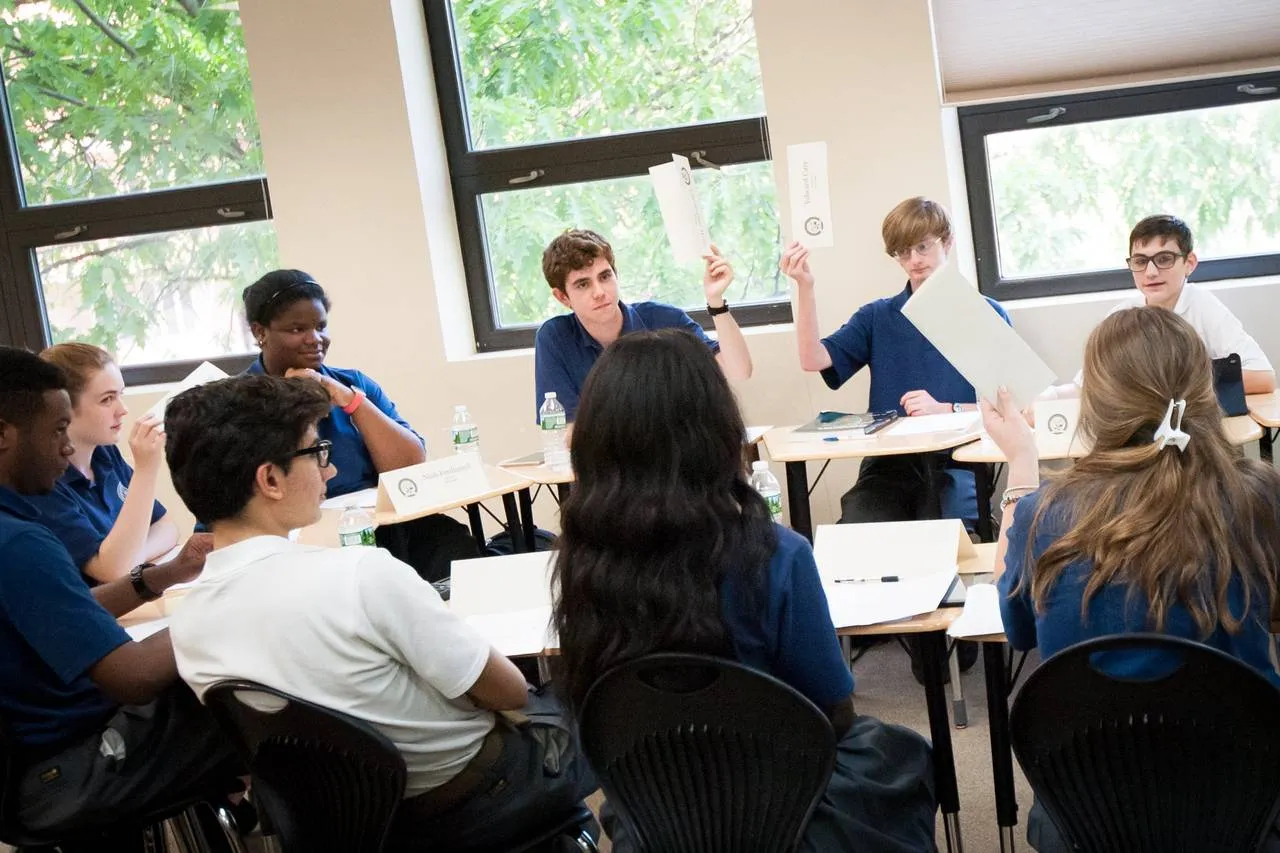
Yash Mundada
Yash Mundada
Updated: 25th November, 2026
TL;DR: Starting a club can build leadership, organization and community, and it works best when it solves a real need. This guide walks through ten steps: find your purpose, check that the idea is distinct, secure a faculty advisor, write a mission and constitution, register with your school, recruit members, hold a first meeting, plan activities and goals, secure resources and plan for succession, with a planning table, a meeting agenda template and a list of common problems. Always follow your school's own rules for clubs. Rise Research is an online research program that pairs high school students 1-on-1 with PhD mentors from Ivy League and Oxbridge universities to write and publish an original research paper. It’s a strong option for students who want to stand out beyond grades and test scores.
A club is one of the few places where a student can lead something from the start. You decide what it does, who it serves and how it runs. A good club can also last longer than your time at school.
Every school has its own process, so treat this guide as a general framework and check your handbook or ask a teacher or administrator how new clubs are approved.
Step 1: Discover Your Passion and Define Your Purpose
Start with a question: what do you wish existed at your school? Write one sentence that finishes the phrase, this club exists so that students can. A clear purpose makes every later decision easier. If you are unsure of your interests, try the prompts in top journaling prompts for self-discovery in high school students.
Step 2: Make Sure Your Club Idea Is Unique
Check your school's existing clubs. If something similar exists, consider joining it, or find a clear angle that is different, such as a different format or audience. Duplicates compete for the same students and advisors.
Step 3: Find a Faculty Advisor
Most schools require an adult advisor. Choose a teacher who knows the subject or who supports student initiative. Prepare a short pitch with your purpose, meeting plan and what you need from them, and be respectful of their time. See how to find a research mentor in high school for ideas on approaching adults.
Step 4: Write a Mission Statement or Constitution
A short constitution can include the club's name, purpose, membership rules, officer roles, how decisions are made and how officers are chosen. Keep it simple and fair, and share it with members.
Step 5: Register with the School
Follow the official process: forms, signatures, meeting room requests and any minimum member numbers. Ask your counselor or student activities office about timelines, because some schools approve clubs only at certain times of year.
Step 6: Recruit Members and Build Your Team
Invite friends first, then use announcements, posters, social media (following school rules) and word of mouth. Ask a few reliable students to take on roles. Explain what members will do and how much time it will take.
Step 7: Hold Your First Meeting
- Welcome everyone and introduce the purpose.
- Share a short agenda and the plan for the term.
- Do one small activity so people feel involved.
- Collect contact details if the school allows.
- Ask for ideas and note them.
- Set the next meeting before people leave.
Step 8: Plan Activities and Set Goals
Choose two or three goals for the term, such as a workshop, a project or a service activity. Make each goal measurable and give it an owner and a date. See how to start an innovation or idea incubator club in high school, how to start a debate club in high school and how to start a high school design thinking club for examples.
Step 9: Secure Resources and Support
Many clubs need little more than a room and a time. If you need funds, ask the school about budgets, small fundraisers or sponsors, and keep honest records. See best grants and sponsorships for high school projects.
Step 10: Reflect, Adapt and Plan for the Future
At the end of each term, ask members what worked, what did not and what they want next. Train younger members as future leaders so the club continues after you leave.
A Planning Table
| Step | Question | Output |
|---|---|---|
| Purpose | Why does this club exist? | One-sentence mission |
| Advisor | Who will support it? | Confirmed adult advisor |
| Rules | How will it run? | Short constitution |
| Approval | What does the school require? | Completed forms |
| Members | Who will join? | Starting list |
| Meetings | When and where? | Schedule |
| Goals | What will we do this term? | Three goals |
| Review | What should we change? | Short survey results |
A Sample Meeting Agenda
- Five minutes: welcome and attendance.
- Ten minutes: update on goals.
- Twenty minutes: main activity or discussion.
- Five minutes: decisions and who does what.
- Five minutes: next meeting.
Common Problems and Fixes
| Problem | Possible fix |
|---|---|
| Few members come | Ask why, change the time, and hold a short, interesting first event |
| Leaders burn out | Share roles and set a limit on tasks |
| Advisor is busy | Be organized, send agendas in advance and keep meetings short |
| No clear activities | Return to the mission and pick one project |
| Money is tight | Choose low-cost activities and ask the school about support |
| Members lose interest | Give people ownership of small projects |
Leadership Skills You Will Practice
Running a club builds planning, communication, delegation and conflict resolution. These show up best when you describe them concretely. See how to show leadership without being a club president, top leadership summits and bootcamps for high school students and how mentorship builds confidence and leadership skills.
Club Ideas to Spark Yours
- A research club where members read and discuss studies.
- A global issues club or debate club.
- A coding or design club that builds small projects.
- A service club that works with a local organization.
- A book club with a community theme.
- A sustainability club that audits school waste.
See how to start a global issues debate club in your high school and how to start a teen book club with global participation.
Keep Records
Save meeting notes, attendance, photos with permission and a short summary of results. Records make it easier to hand over the club, apply for support and describe what you did. See how to build a portfolio as a high schooler.
Turn Your Interest in Your Club's Topic Into Original Research
Original work often leaves the strongest impression. Start with a narrow question, read existing studies on Google Scholar and plan a method you can finish. See how to choose a research topic in high school, how to use Google Scholar in high school and how to write a research paper in high school. A mentor can help you avoid common design mistakes; see how to find a research mentor in high school and the power of academic mentorship in shaping young thinkers. Rise Research pairs high school students 1-on-1 with PhD mentors from Ivy League and Oxbridge universities to write and publish an original research paper, fully online. Compare options in Rise vs Lumiere vs Polygence and learn where students share work in where high school students can get their research published. No program guarantees publication or admission.
How to Use This in Your College Applications
Admissions readers want evidence of curiosity and follow-through, not a list of names. If you pursue starting and running a club, describe what you did, what you learned and what you would do next, and be honest about your own role. See how to stand out on Ivy League applications beyond grades and scores, what is a spike and why top colleges love it and how to write a great brag sheet. Applications on the Common App and UCAS have limited space, so lead with your most specific example. No activity guarantees admission.
Build a Plan Around Your Time and Energy
Most students cannot do everything. Choose one or two commitments that match your goals and protect time for school, rest and family. See how to balance academics and extracurriculars without burning out and why time blocking works better than to-do lists for students. If cost matters, compare choices using a realistic take on whether paid research programs are worth it and affordable research programs for high school students.
Common Mistakes
- Starting without an advisor or approval.
- Trying to do everything yourself.
- Planning activities with no clear purpose.
- Ignoring school rules.
- Forgetting to plan for successors.
- Counting members instead of impact.
A Five-Minute Self-Audit
- Write your goal for your club in one sentence.
- List what you have already done and what evidence you could show.
- Name one gap you can close in the next month.
- Pick one next step small enough to finish this week.
- Ask one trusted adult to review your plan and challenge it.
Repeat the audit each month. Small, honest check-ins keep you moving and help you avoid chasing every opportunity at once.
Case Study: A Small Club That Lasted
A student wants a place to discuss science articles. He checks the existing clubs and finds none like it, asks a biology teacher to be the advisor and writes a half-page mission statement. The first meeting has six people, and each member brings one article. After a month the club picks a project: a short school newsletter explaining recent studies in plain language. He trains a younger member to edit it, keeps meeting notes and asks members for feedback each term. When he graduates, the club continues. He later describes what he organized and what he learned, without exaggerating the size.
Write Your Club Pitch This Week
Write your one-sentence mission, list three possible advisors and book a short meeting with one of them.
Frequently Asked Questions
Do I need a faculty advisor?
Most schools require one. Check your school's rules.
How many members do I need?
It depends on the school. Ask the activities office about minimums.
What if a similar club exists?
Consider joining it or offering a clearly different focus.
Can a club help my college application?
It can show initiative, but no activity guarantees admission. Focus on what you do and learn.
Final Thoughts: Start Small, Build Something That Lasts
A good club begins with a clear purpose, a supportive advisor and a few steady members. Start small, keep records and train the next leaders.
This week, write your mission statement and ask one teacher to be your advisor.
Whichever path you choose, students stand out by showing original thinking, not only strong grades. Rise Research pairs high school students 1-on-1 with PhD mentors from Ivy League and Oxbridge universities to write and publish an original research paper, fully online. Book a free Research Assessment to find the right topic and mentor.
Yash Mundada is a co-founder of Rise Research, an online mentorship platform that matches high school students 1-on-1 with PhD mentors from top universities to publish original research. Before starting Rise Research, Yash spent several years as a software engineer at Meta, Amazon and HubSpot, building consumer and growth products at scale. At Rise Research, Yash has worked with more than 3,000 students from over 50 countries, including several Regeneron ISEF winners, and many of them have published in peer-reviewed journals. Connect with him on LinkedIn and read more of his work on Forbes Business Council.
Sources
Source 1: Common App
Source 2: UCAS
Source 3: Google Scholar
Source 4: GitHub
Winter 2026 Admission Deadline Closing on November 30th
Book a free 20-min strategy call
Book a free 20-min strategy call
Read More


