>
>
>
High School Competitions That Focus on Climate Change Solutions: How to Choose in 2027
High School Competitions That Focus on Climate Change Solutions: How to Choose in 2027
High School Competitions That Focus on Climate Change Solutions: How to Choose in 2027 | RISE Research
High School Competitions That Focus on Climate Change Solutions: How to Choose in 2027 | RISE Research
Yash Mundada
Yash Mundada
Updated: 25th November, 2026
TL;DR: Climate competitions let students design, test and present solutions to problems such as energy, water, waste, food and ecosystems, and their themes, eligibility, entry fees and deadlines change every year. This guide explains competition types, how to evaluate them, how to choose a problem, how to build and test a solution, how to use evidence, how to work in a team and how to describe results honestly, with comparison tables and a checklist. Verify every competition on its official site, and ask a parent or guardian before entering or paying. Rise Research is an online research program that pairs high school students 1-on-1 with PhD mentors from Ivy League and Oxbridge universities to write and publish an original research paper. It’s a strong option for students who want to stand out beyond grades and test scores.
Climate change is a large and complicated problem, but students can contribute by studying a narrow piece and proposing realistic solutions. Competitions provide deadlines, judging and sometimes mentorship, which can help you turn an idea into a finished project.
Competition details change yearly, and some require teams, specific ages or entry fees. This guide does not list contests, dates or prizes. It gives you a method to evaluate any competition and to build a strong entry, and it encourages you to verify everything on official sites.
Types of Climate Competitions
Type | What it involves | Good for | Consider |
|---|---|---|---|
Innovation and design challenges | Prototype a solution to a defined problem | Builders and engineers | Materials, safety and time |
Hackathons | Build a tool in a short time | Coders and teams | Team rules and data access |
Business and entrepreneurship challenges | Pitch a climate venture | Students who like strategy | Realistic assumptions |
Research and science competitions | Investigate a question with data | Researchers | Method and ethics |
Awareness and media contests | Art, film or writing about climate | Communicators | Accuracy and originality |
Policy and case challenges | Analyze and recommend policy | Analytical students | Evidence and trade-offs |
Sustainability projects with schools | Local audits and campaigns | Students who want local impact | Support from teachers |
How to Evaluate a Competition
Factor | What to check |
|---|---|
Eligibility | Grade, age, country and prerequisites |
Cost | Fees, housing, travel, aid and refund policy |
Format | Online, on campus or hybrid; hours per week |
Mentoring | Who teaches or supervises, and how often you meet |
Outcome | A project, paper, certificate or portfolio piece |
Selection | Application, essay, interview or open enrollment |
Timeline | Application dates, start date and length |
Safety | Supervision of minors and clear conduct rules |
Who organizes it, and what are its goals and funding?
Are the rules, judging criteria and rights clear?
Is there an entry fee, and what does it cover?
Are there mentors or workshops?
Are teams allowed, and how large?
What happens to your data and ideas?
Choose a Problem You Can Actually Work On
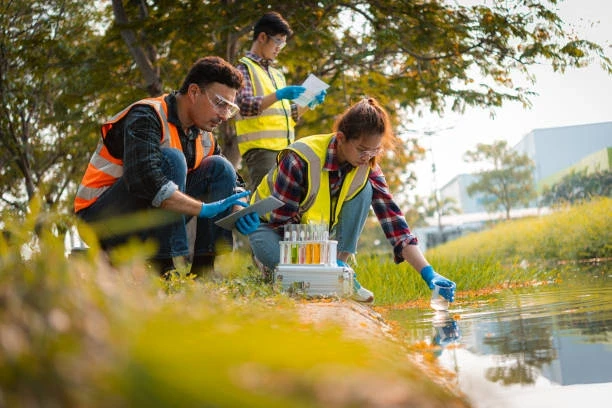
Climate problems are huge, so narrow yours. Instead of fix climate change, try reduce food waste in my school cafeteria, measure heat in a neighborhood or lower energy use in one building. A focused problem can be tested and described honestly. See how to conduct a carbon footprint audit for your high school, how to organise a school-wide zero waste challenge and how to conduct a water quality research project in high school.
Build and Test a Solution
Define the problem and who is affected.
Research existing solutions and why they work or fail.
Brainstorm options and choose one.
Plan a test with a way to measure results.
Build a prototype or model.
Collect data and note what went wrong.
Improve and repeat if time allows.
Document everything for your presentation.
Use Reliable Evidence
Use public data and published studies, and state the limits of your own data. Government and science agencies, such as the EPA and the US Department of Energy, publish information that can help. Cite everything, and avoid exaggerated claims. See master the art of evidence: how to find credible sources for research and how to design a research survey.
Work Well in a Team
Assign roles: research, building, data, presentation.
Set a timeline with checkpoints.
Review each other's work.
Credit everyone fairly.
Discuss disagreements calmly.
Prepare a Strong Presentation
State the problem in one sentence.
Show your solution and why it might work.
Present evidence and limits.
Explain impact and next steps.
Practice answering questions.
See how to present your research at a student conference and how to turn a school paper into a TED-style talk.
Safety, Ethics and Honesty
Follow safety rules for experiments, and get adult supervision where needed.
Do not exaggerate impact or claim results you did not measure.
Get permission before collecting data from people.
Respect intellectual property and credit sources.
Be honest about what did not work.
If You Do Not Win
Most entries do not win. Ask for feedback, improve the project and keep it going locally. See top environmental campaigns you can join as a teen, best citizen science projects high schoolers can join today and best online ecology courses for teens.
Describe Competition Work Honestly
Say what the problem was, what you built or studied, what you measured, what you learned and what you would change. Avoid listing prizes without describing the work. No competition guarantees admission.
A Checklist Before You Enter
I verified the competition on its official site.
I read all rules, rights and fee terms.
A parent or guardian approved.
I have a clear, narrow problem.
I have a plan to measure results.
I know my team's roles and timeline.
I have a backup plan if something breaks.
Where Rise Research Fits for Climate and Sustainability Research
Rise Research is an online program that pairs high school students 1-on-1 with PhD mentors from Ivy League and Oxbridge universities to write and publish an original research paper. It is open to ambitious students from many countries, and it is fully online. For current costs, eligibility, start dates and scholarship details, check the official Rise Research website or brochure instead of relying on any list, and compare it against other options using the checklist in this guide. No program guarantees publication or admission.
Turn Your Interest in Climate and Sustainability Into Original Research
Original work often leaves the strongest impression. Start with a narrow question, read existing studies on Google Scholar and plan a method you can finish. See how to choose a research topic in high school, how to use Google Scholar in high school and how to write a research paper in high school. A mentor can help you avoid common design mistakes; see how to find a research mentor in high school and the power of academic mentorship in shaping young thinkers. Rise Research pairs high school students 1-on-1 with PhD mentors from Ivy League and Oxbridge universities to write and publish an original research paper, fully online. Compare options in Rise vs Lumiere vs Polygence and learn where students share work in where high school students can get their research published. No program guarantees publication or admission.
How to Use This in Your College Applications
Admissions readers want evidence of curiosity and follow-through, not a list of names. If you pursue climate solutions, describe what you did, what you learned and what you would do next, and be honest about your own role. See how to stand out on Ivy League applications beyond grades and scores, what is a spike and why top colleges love it and how to write a great brag sheet. Applications on the Common App and UCAS have limited space, so lead with your most specific example. No activity guarantees admission.
Build a Plan Around Your Time and Energy
Most students cannot do everything. Choose one or two commitments that match your goals and protect time for school, rest and family. See how to balance academics and extracurriculars without burning out and why time blocking works better than to-do lists for students. If cost matters, compare choices using a realistic take on whether paid research programs are worth it and affordable research programs for high school students.
Common Mistakes
Choosing a problem that is too big.
Making claims without data.
Starting too late.
Ignoring judging criteria.
Neglecting safety and permissions.
Treating a prize as the only goal.
A Five-Minute Self-Audit
Write your goal for climate solutions in one sentence.
List what you have already done and what evidence you could show.
Name one gap you can close in the next month.
Pick one next step small enough to finish this week.
Ask one trusted adult to review your plan and challenge it.
Repeat the audit each month. Small, honest check-ins keep you moving and help you avoid chasing every opportunity at once.
Case Study: A Small, Honest Solution
A team of three wants to enter a climate challenge. They choose a narrow problem: unnecessary lighting in school hallways after hours. With permission, they measure when lights are on for two weeks, estimate energy use with public numbers, and propose a timer change. They note that their measurements cover one building and that estimates are rough. They present to the school facilities manager as practice and then enter a competition. They do not win, but the manager asks to try the timer in one hallway, and the team keeps tracking the results.
Pick One Problem This Week
Choose a local problem, write it in one sentence and list how you could measure it.
Frequently Asked Questions
Do I need experience in climate science?
Not always. Many competitions welcome beginners, but you should learn the basics.
Are team competitions better?
It depends. Teams can bring skills, but individual projects can show independence.
How should I use public data?
Cite the source, check the date and explain the limits.
Will winning help me get into college?
It can show interest and skill, but no competition guarantees admission.
Final Thoughts: Narrow the Problem, Measure the Result
The strongest climate entries solve a specific problem, use reliable evidence and are honest about limits. Start local and keep improving.
This week, choose a problem and write how you would measure it.
Whichever path you choose, students stand out by showing original thinking, not only strong grades. Rise Research pairs high school students 1-on-1 with PhD mentors from Ivy League and Oxbridge universities to write and publish an original research paper, fully online. Book a free Research Assessment to find the right topic and mentor.
Yash Mundada is a co-founder of Rise Research, an online mentorship platform that matches high school students 1-on-1 with PhD mentors from top universities to publish original research. Before starting Rise Research, Yash spent several years as a software engineer at Meta, Amazon and HubSpot, building consumer and growth products at scale. At Rise Research, Yash has worked with more than 3,000 students from over 50 countries, including several Regeneron ISEF winners, and many of them have published in peer-reviewed journals. Connect with him on LinkedIn and read more of his work on Forbes Business Council.
Sources
Source 1: EPA
Source 2: US Department of Energy
Source 3: Zooniverse
Source 4: Google Scholar
Winter 2026 Admission Deadline Closing on November 30th
Book a free 20-min strategy call
Book a free 20-min strategy call
Read More


